Not to sound like a hipster, but I was reading Matt Haig before he became Matt Haig, before the world properly fell in love with him.
I don’t say that to sound cool or ahead of the curve (I’ve never been ahead of the curve for anything). It’s to say how genuinely happy I am that he’s getting the recognition he so clearly deserves. There’s something really lovely about watching an author you’ve quietly loved for years suddenly become everyone’s author. I almost feel like a proud parent – even if I am slightly younger than him.
I was also going to brag that I own (or have owned) every one of his books, but annoyingly I think I’m missing one. Which feels like something I should probably fix.
But either way, it’s not an exaggeration to say that his books have saved my life.
I’m predominately talking about his non-fiction, particularly Reasons to Stay Alive, but his novels have stayed with me in a completely different way.
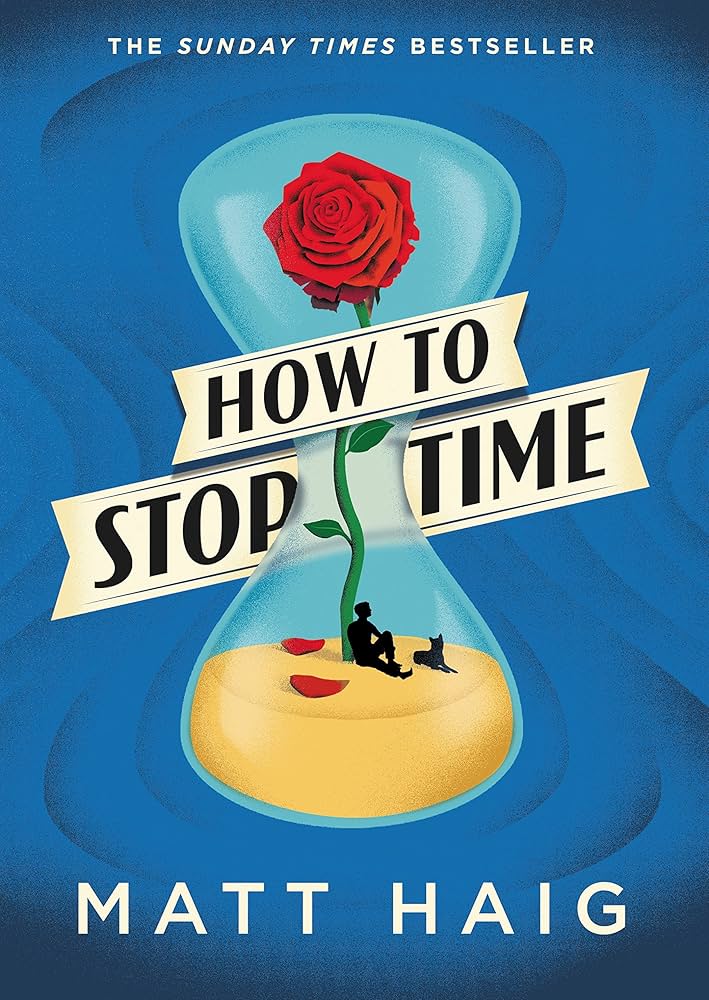
It’s fair to say he really came to prominence with The Midnight Library in 2020. And it’s also fair to say that book is brilliant. Because it is. But my personal favourite has always been the one that came just before it: How to Stop Time.
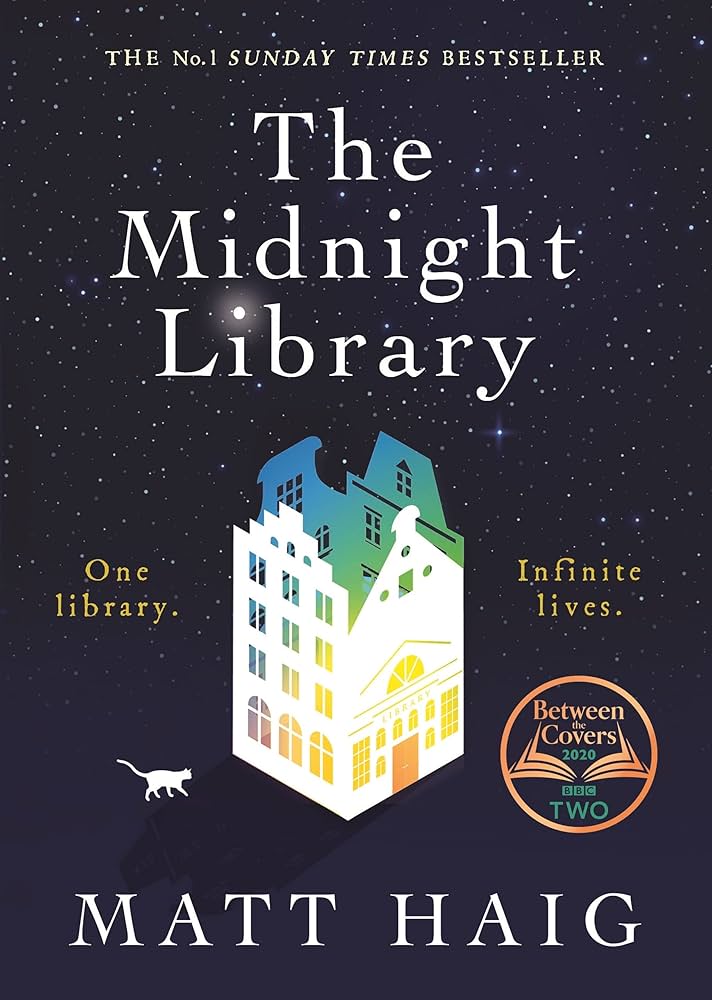
The Midnight Library (2020) explores the idea of all the lives we could have lived depending on what choice – small and big – we make. It sits somewhere between life and death, regret and possibility, asking what would happen if we could try again, and again, and again.
How to Stop Time (2017) on the other hand, follows a man who ages incredibly slowly, living through centuries while trying to stay hidden in plain sight. On the surface it’s a novel about time and history, but underneath it’s about loneliness, identity, and what it means to truly love rather than just exist. I would probably say this is my favourite of his novels.
Both of these books changed me in ways no other book or author has, and that also goes for his new novel The Midnight Train, which I was lucky enough to read in advance of publication. They have a way of just quieting the noise down in my head; of stripping everything away so it’s just me and the book, and they just let me…be. They’re intense books, they deal with intense, often sad, subjects, but never do you feel sad. You feel heard and as corny as it might sound but you will not be the same person at the end of these books as you were at the start.
His other adult novels include:
– The Last Family in England (2004)
– The Dead Fathers Club (2006)
– The Possession of Mr Cave (2008)
– The Radleys (2010)
– The Humans (2013)
– The Life Impossible (2024)
– The Midnight Train (2026)
He’s also a hugely successful children’s author. My personal favourites are his Christmas books:
– A Boy Called Christmas (2015)
– The Girl Who Saved Christmas (2016)
– Father Christmas and Me (2017)
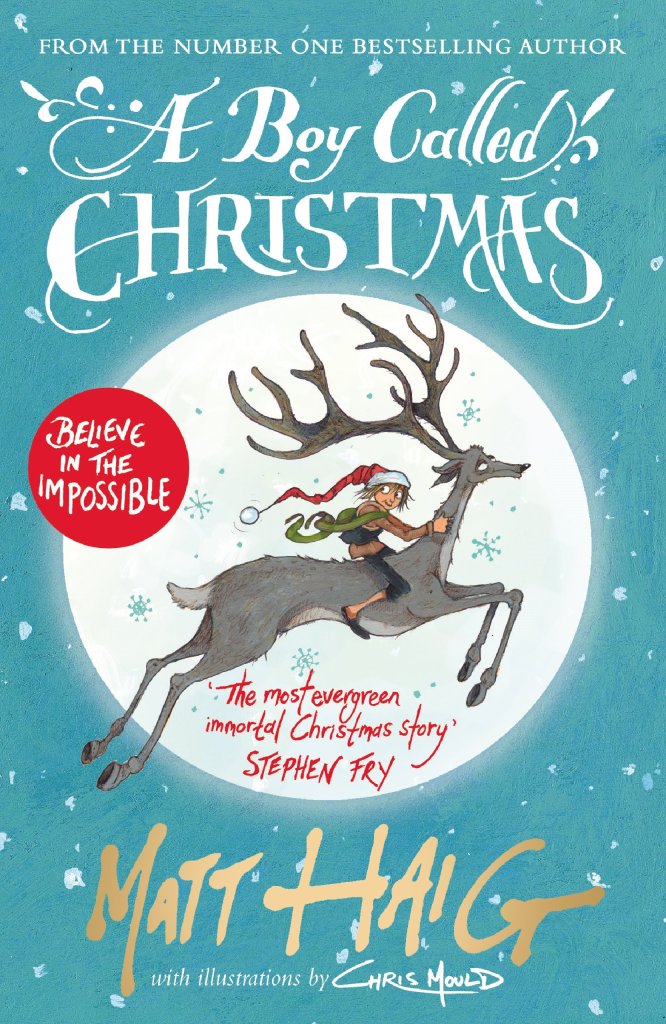
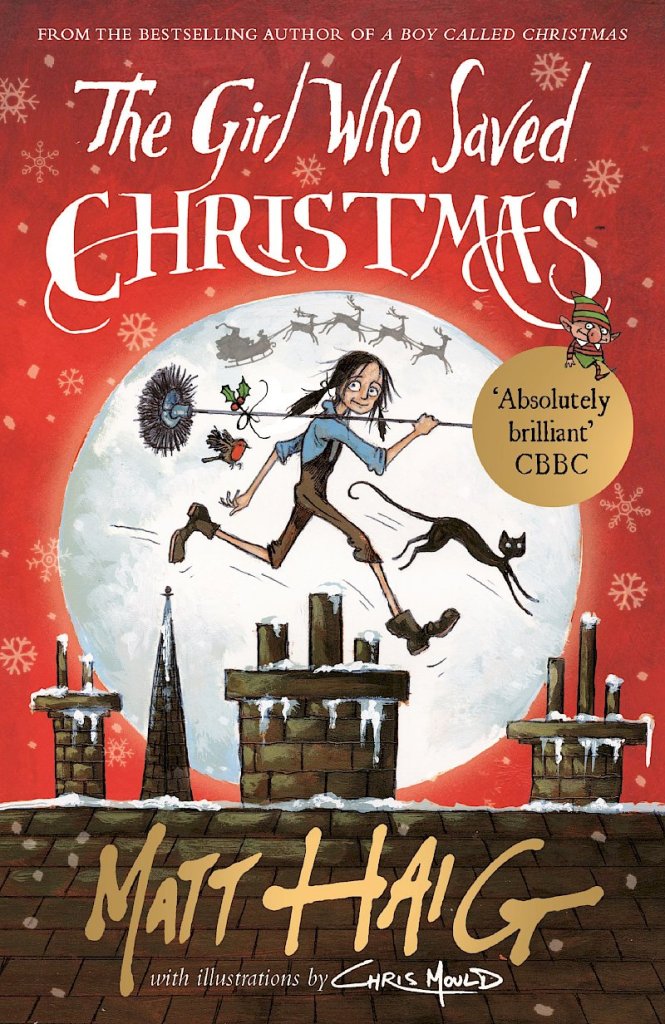
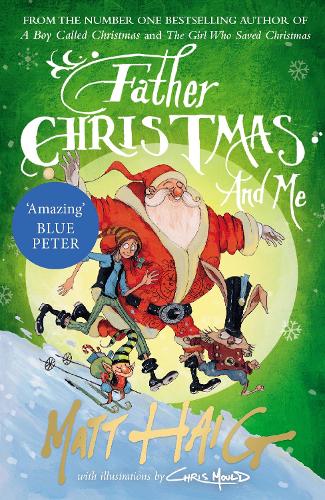
There’s something about those books that feels just as heartfelt as his adult work, maybe even more so. I am biased because I love Christmas and I love Matt Haig so I was never going to say anything negative about them, but his Christmas series is one of the best I’ve read. They’re about Christmas yes, but they’re also about belief, self-identity, wishes, inner-strength, confidence, love, and family – whether it be a blood family or a made family. They are really important books wrapped up in a fun, festive story.
Some of his other children’s books include:
– Shadow Forest (2007)
– To Be a Cat (2012)
– Echo Boy (2015)
– The Truth Pixie (2018)
– The Truth Pixie Goes to School (2019)
– Evie and the Animals (2019)
– Evie in the Jungle (2020)
– A Mouse Called Miika (2021)
– The Runaway Troll (2022)
And then there’s his non-fiction — the books that, for me, hit the hardest.
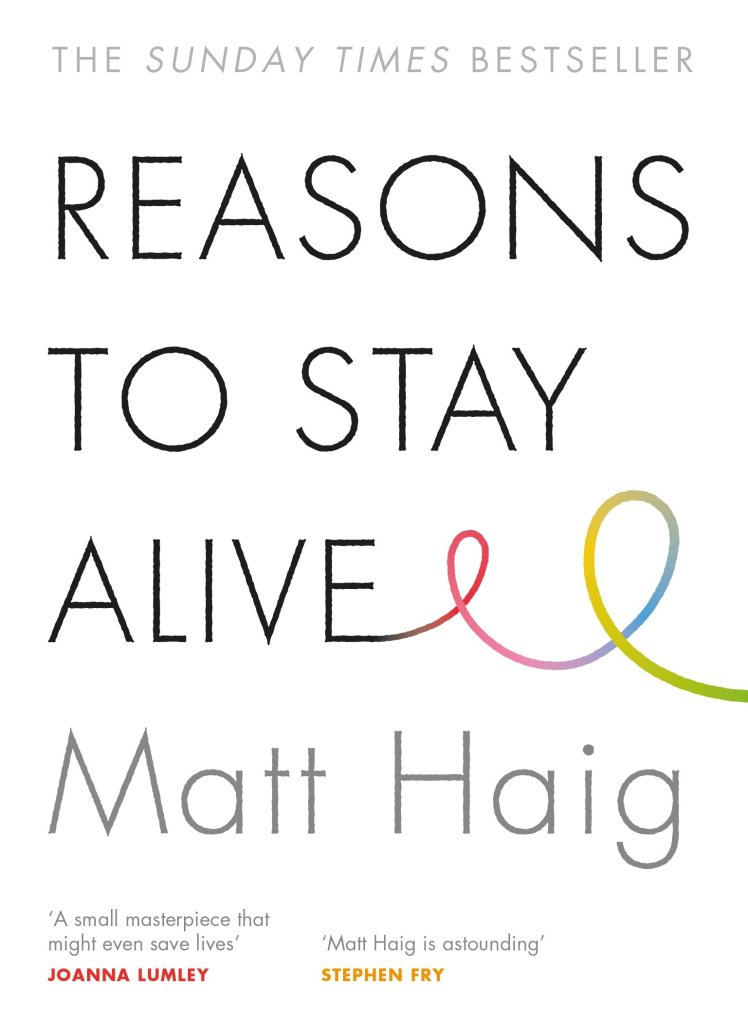
Reasons to Stay Alive (2015) is an honest, raw account of his experience with depression and anxiety, and how he found a way through it. It doesn’t pretend things are easy or neatly resolved, and that’s exactly why it works. I have always kept this book by my bed. I have had my own mental health struggles and suicide attempts, and it doesn’t matter what people say to you, in that moment, you don’t believe anything. I find nothing penetrates that depressive shield – except for this book. My copy is falling apart but I will never be apart from it, even if that means buying a copy for every room just in case.
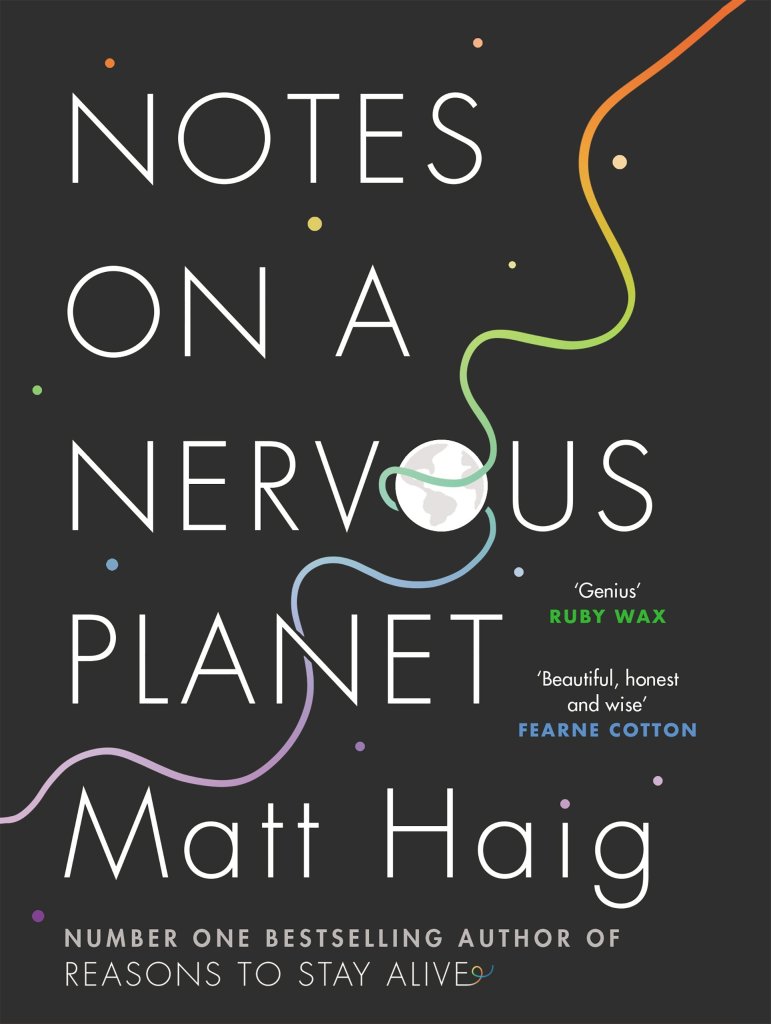
Notes on a Nervous Planet (2018) looks more outward, at the world we live in and how overwhelming it can feel. It’s about modern life, but also about how we exist within it. Again, I suffer from mental health problems, including anxiety, and whilst this isn’t a book that focusses 100% on anxiety, it is about how to cope with the pressures of modern life, and I think it is one of the most important books around today in the self-help genre.
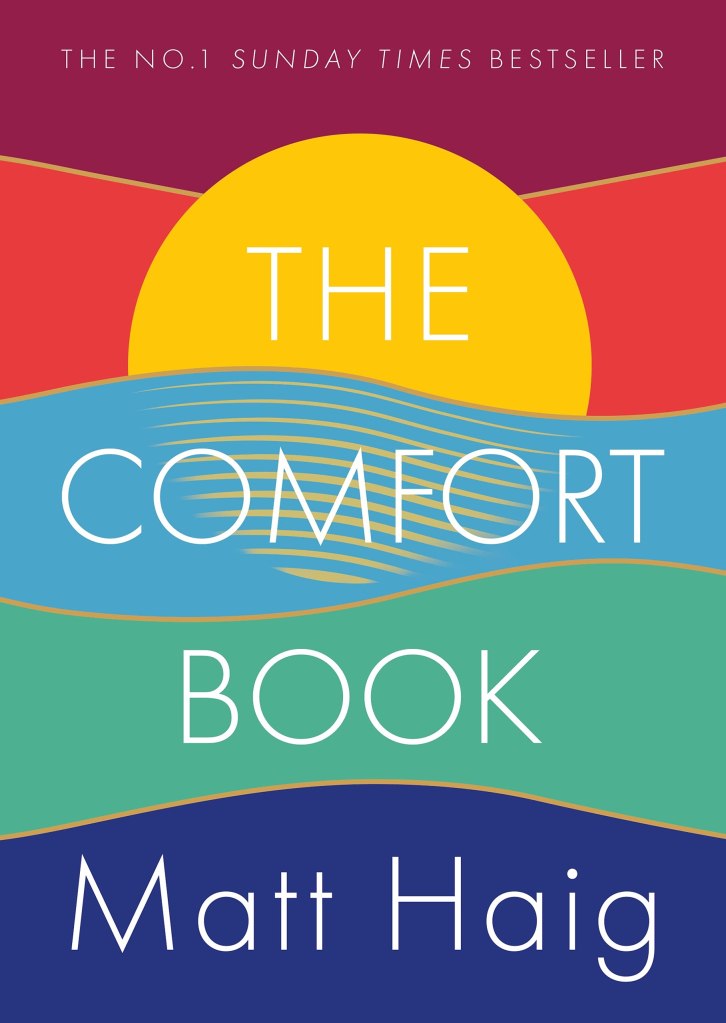
The Comfort Book (2021) is exactly what it sounds like, a collection of thoughts, reminders, and small moments of reassurance. It’s the kind of book you can dip in and out of when you need it most. This was the book that surprised me the most, as I didn’t think it would necessarily be something I related to but I did really relate to it and enjoyed it and now I recommend it to everyone.
But Why Do His Books Mean So Much To Me?
It’s actually quite difficult to put into words what his books mean to me, which does make writing a whole post about it feel slightly ironic.
For me, it comes down to his honesty. He has never shied away from talking about his own mental health – his struggles, his lowest points, even his suicidal thoughts. That kind of openness is rare, especially from someone in the public eye. And as someone who, unfortunately, can relate to a lot of what he writes about, it matters more than I can really explain. It makes you feel seen. Less alone. Less like you’re the only one thinking or feeling a certain way.
But his books aren’t heavy in the way you might expect. They’re warm. They’re often funny. They’re full of life, even when they’re talking about the darkest parts of it. His characters feel real and familiar, like people you might know, or even parts of yourself you don’t always recognise straight away. There’s something very comforting about that.
His writing is accessible without ever feeling shallow. It’s easy to read, but it stays with you. And more than anything, it feels kind. Reading one of his books often feels less like reading and more like being gently reminded that things can get better – even if they don’t feel like they will right now.
And whenever I feel that familiar heaviness creeping back in, I still find myself reaching for Reasons to Stay Alive.
A Final Thought
I don’t think a book can fix everything. I don’t think any author, no matter how brilliant, can completely change someone’s life on their own.
But I do think the right words, at the right time, can make things feel just a little bit more manageable.
They can give you something to hold onto.
And for me, Matt Haig has done that more than once.
Which is why, for me at least, it doesn’t feel dramatic to say it: His books saved my life.

