“Beginning a novel is always hard. It feels like it’s going nowhere. I always have to write at least a hundred pages that go into the trash before it finally begins to work. It’s discouraging but necessary.” – Arthur C. Blake
It won’t surprise anyone to hear that the first chapter of a book carries a lot of weight. It’s your first impression and is often the only bit someone will skim in a bookshop before deciding whether to buy it or not.
No pressure!
Writers have been saying for years that the opening chapter is the hardest to get right, and it makes sense. You’re staring at a blank page, knowing this might be the most important bit of the book you’ll write. Remember, your idea could be incredible, but if the opening doesn’t land, readers might not stick around long enough to find out.
So, What Actually Makes a Great First Chapter?
At its core, your opening chapter needs to do a few things at the same time: introduce us to someone we care about or are curious about, give us a sense of where we are, establish the voice and tone, and hint at the story that’s about the unfold. That’s a lot to juggle in one chapter.
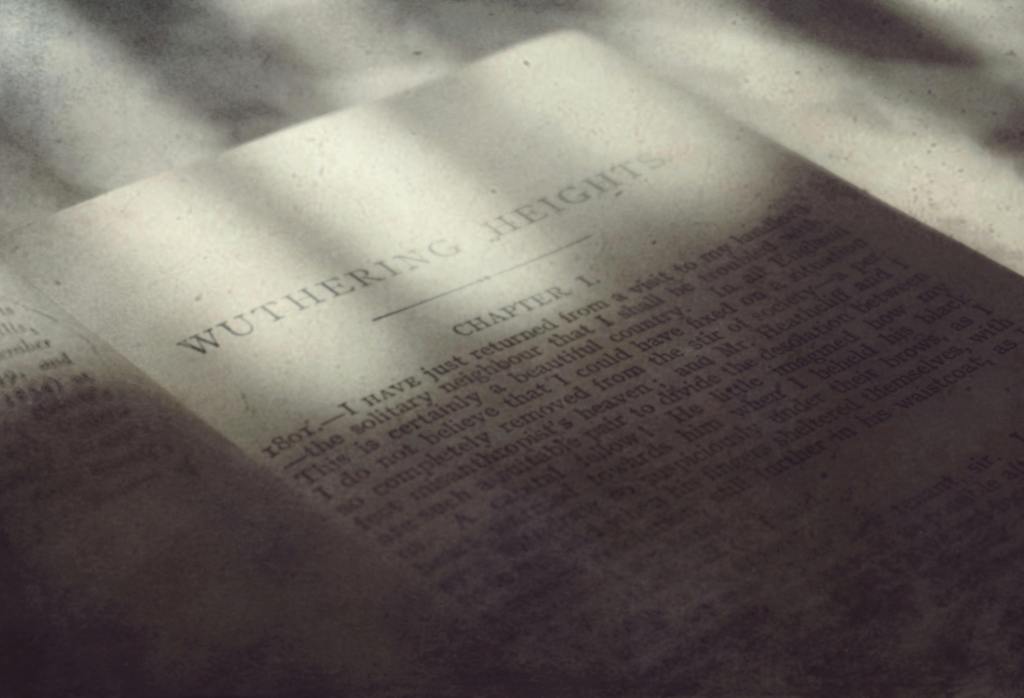
The Essentials of a First Chapter
A Strong Opening: You don’t necessarily need explosions or drama on page one but you do need intrigue. A good opening line, paragraph, and chapter should raise questions, not answer them. It should make the reader lean in and think, “What’s going on here?”
Compelling Characters: Most of the time we meet the protagonist straight away. They might be doing something completely ordinary, or they might already be in the middle of something unusual, but either way, we need a reason to care about them. Curiosity is enough at this stage, we don’t need to love them yet, but we do want to understand who they are.
A Clear Voice: This is where your writing announces itself. Whether it’s lyrical, funny, sharp, dark, or understated, your voice shows up here. A strong voice can carry a quieter opening, while a week one can make even the most dramatic opening fall flat.
The Sense That Something Is Coming: The big event doesn’t have to happen in the first chapter, but there should be a hint that something is going to happen. Readers don’t need the full picture yet, but they need to sense that there is going to be one.
World Building: We need to know where we are, but we don’t need a history lesson. A few well-placed details will always beat a page of explanation. Let the world unfold naturally and the reader will piece it together as they go.
As Beth from Ladderbird Literary Agency says:
“I want to feel like I’m part of this world…when you stop to take a page and a half to explain things, it doesn’t feel like I’m living it.”
Common Pitfalls of a First Chapter
Info-Dumping: It’s tempting to explain everything upfront, especially if you’ve build a complex fantasy world, but too much too soon can push the reader away. If the story pauses too often for the author to explain things then it stops feeling like an immersive story.
Too Many Characters: Introducing your protagonist is important, as is introducing your antagonist (if that’s the route you want to go down). Introducing a dozen other named characters is not. Give readers the space to settle in before expanding the cast, otherwise they will forget who is who, and whose story we are meant to be focussing on.
Pacing Issues: There is a balance to strike in the first chapter. If it’s too slow then readers will lose interest, but if it’s too chaotic then they will feel lost. A good opening needs a controlled momentum.
Overworked Language: Beautiful, poetical writing is great, but not if it comes at the cost of clarity. If a reader has to fight through the prose to understand what the story is, then something has gone wrong. Remember, the story and the characters always come first.

But It’s Not Just About the Reader
It’s easy to think the first chapter purely in terms of readers browsing in bookshops, but it’s just as important on the industry side.
When you submit to a literary agency, they usually ask for the first couple of chapters. This means your beginning isn’t just inviting, it’s doing a job. It has to prove that you can tell a story, handle pacing, and keep a reader engaged.
Jill from Marsal Lyon Literary Agency explains:
“A common snag is when there is too much telling…and writers try to cram in too much information without letting the story unfold organically”.
In other words – trust the story to do its job.
Examples That Got It Right
Some opening chapters work because they’re bold and others because they’re subtle, but either way, they will make you want to keep reading.
Some famous examples of great opening chapters include:
- Fear and Loathing in Las Vegas by Hunter S. Thompson throws you straight into the chaos. There is no gentle opening, you are straight into the action and yet somehow it works and you instantly get a feel for the tone of the rest of the book.
- The Color Purple by Alice Walker opens with the line, “You better not never tell nobody but God”. It’s emotional and immediately provides a sense of tension and the reader instantly wants to know more.
- The Book Thief by Markus Zusak reveals early on that Death is the narrator. This is unexpected, slightly unsettling, and completely memorable.
These three books have completely different styles, but they all have the same outcome: they hook the reader and they want to read on.
To Conclude
There is no single formula for a perfect first chapter, and that’s probably a good thing. If there were, every book would start to feel the same.
What is important to remember is that your opening should make the reader curious enough to turn the page, and confident enough to trust you as the storyteller.
It doesn’t have to be flawless; it doesn’t have to explain everything – it just has to work. And if it takes a few false starts, that’s fine, that’s part of the process too.
That’s not failure – it’s the path to the version that finally works.

