There are some children’s books that you remember reading, and then there are children’s books that seem to have become part of the furniture of your childhood. Roald Dahl firmly belongs in the second category. His books have been passed from one generation to another for decades, read aloud at bedtime, discovered in school libraries, bought as presents, borrowed from friends, and returned with the pages slightly more battered than when they were first opened. For many of us, the names alone are enough to transport us somewhere else: Charlie and the Chocolate Factory, Matilda, The BFG, The Witches, Fantastic Mr Fox, James and the Giant Peach.
And then there are the words. Dahl had a way of making language feel like something you could play with. His stories are full of disgusting things, wicked adults, improbably inventions, grotesque characters, and enormous quantities of chocolate, but they are also full of words that seem to have escaped from the page. His nonsense is rarely simply nonsense; it has rhythm, personality, and a sort of mischievousness that makes children feel as thought they are being let in on a secret.
That is why Roald Dahl remains so enduring, but it’s also why, as adults, we can find ourselves looking at those same books rather differently.
As we mark Roald Dahl Day today, I wanted to go back to the books themselves, to think about why they have lasted so well, what makes them so distinctive, and whether it’s possible to love his stories while being honest about the more troubling aspects of the man who wrote them.
My Favourite Dahls
Before getting into the more complicated questions, I think it’s only fair to begin with the books themselves, because it’s impossible to understand his place in so many readers’ childhoods without acknowledging just how much pleasure these stories have given.
I could have chosen any number of his books as my favourites, but I’ve finally settled on the following:
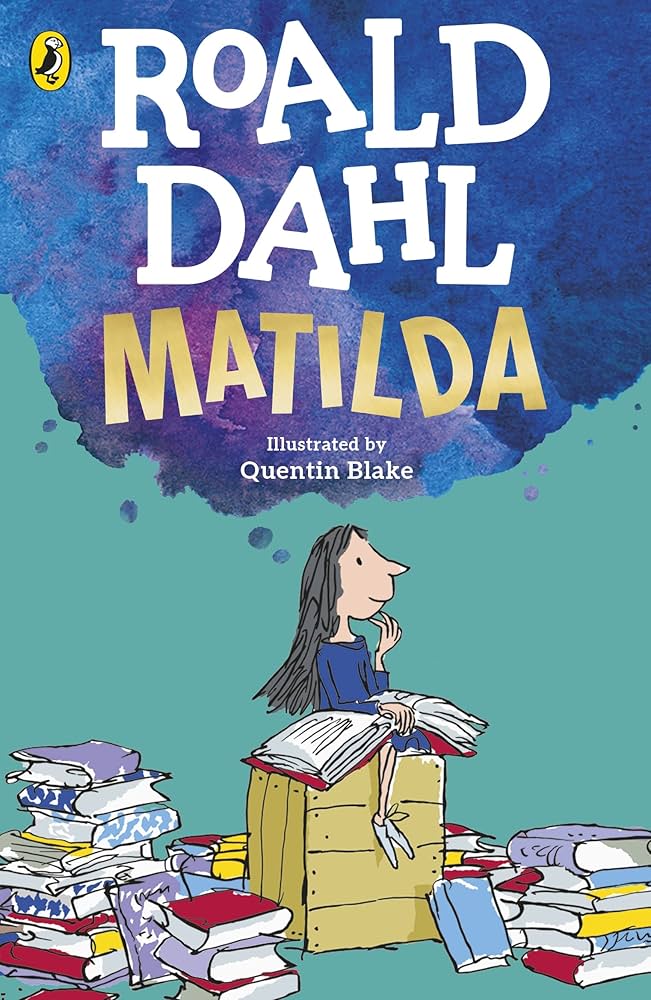
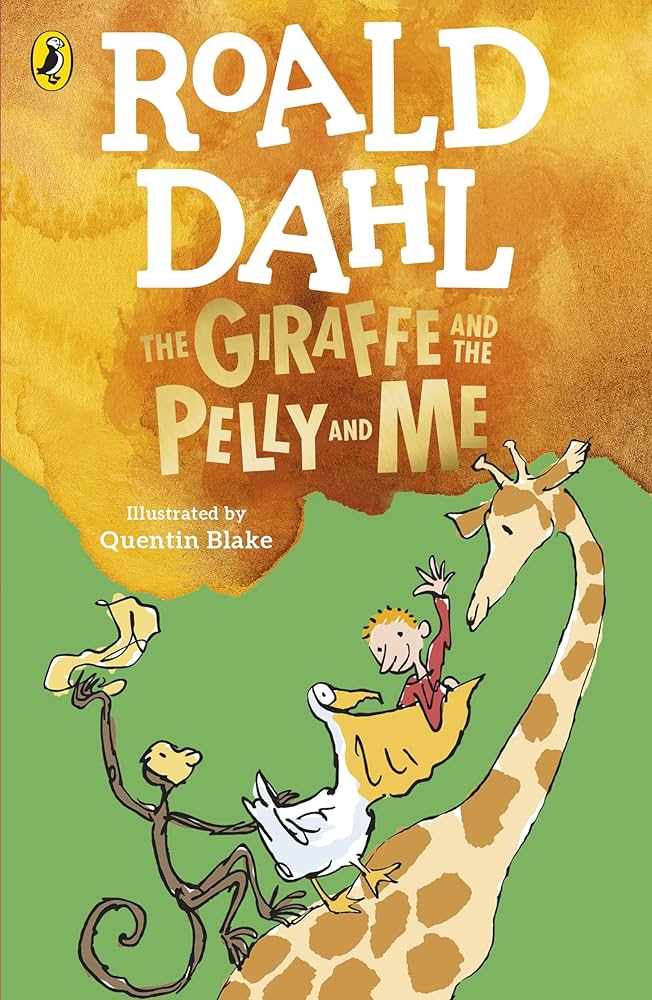
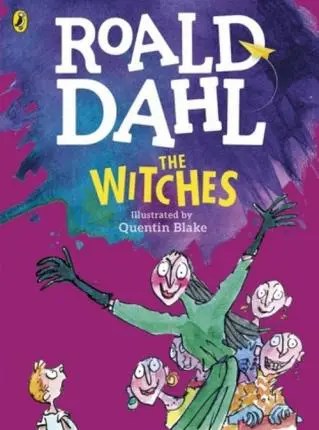
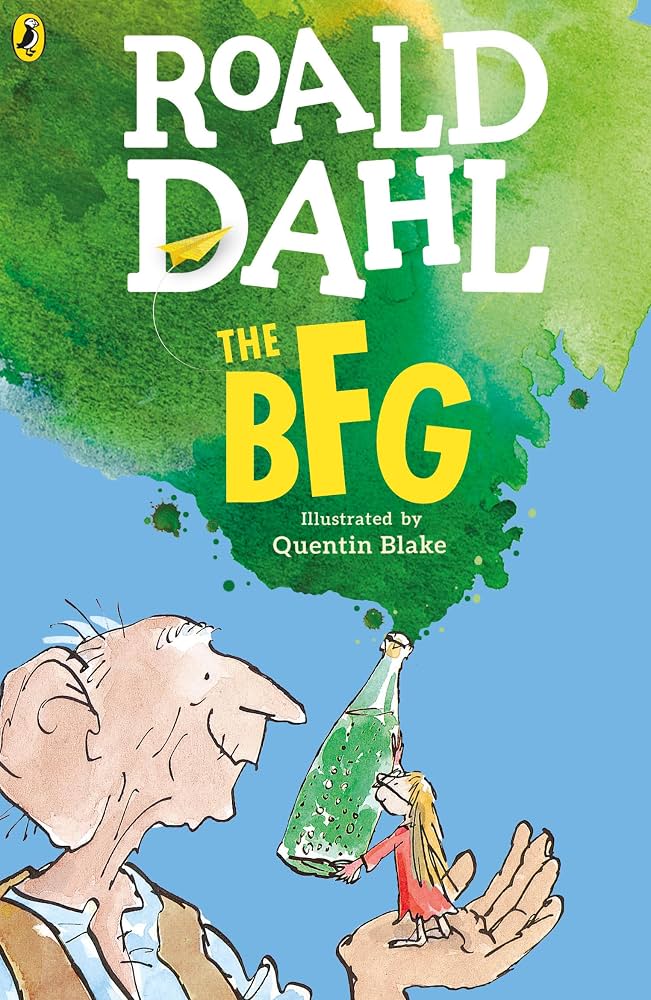
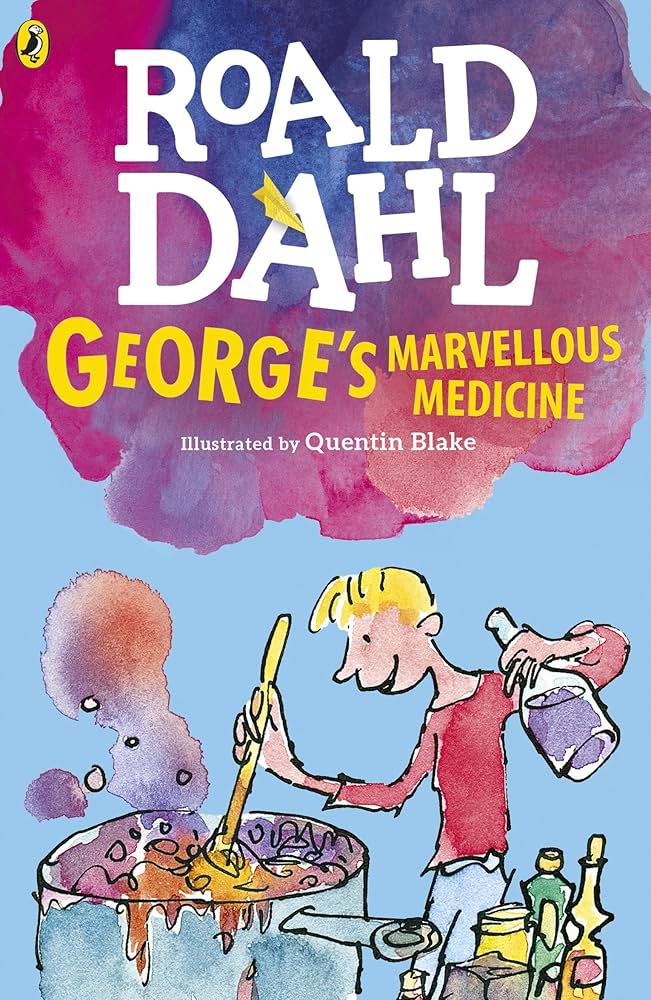
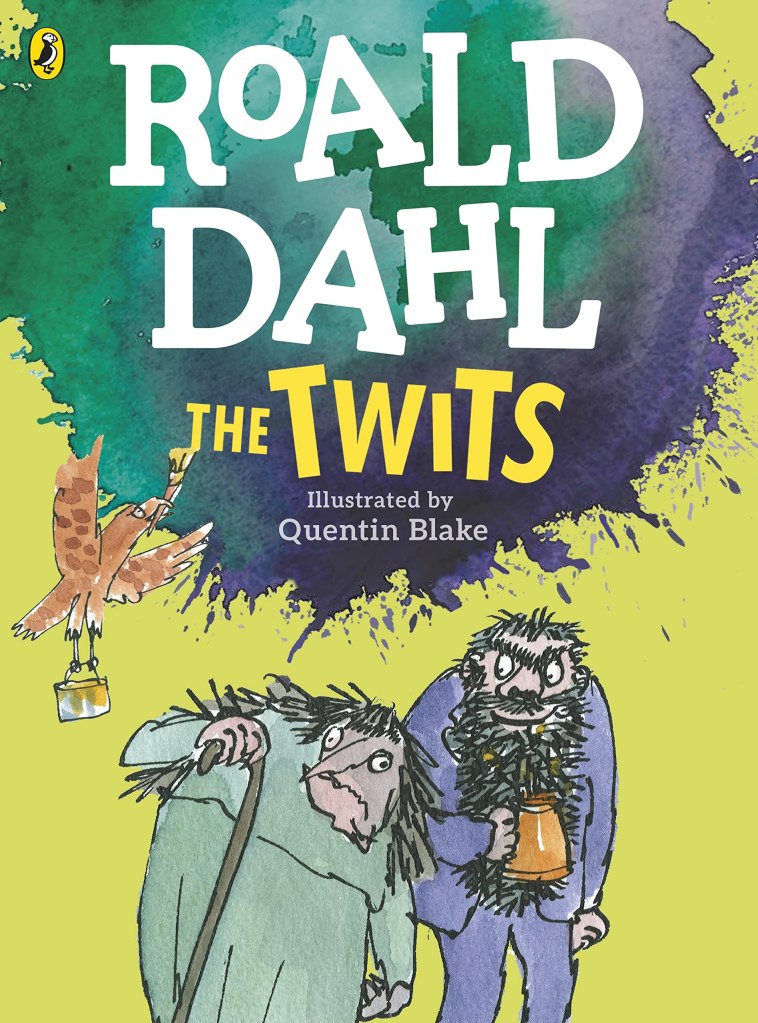
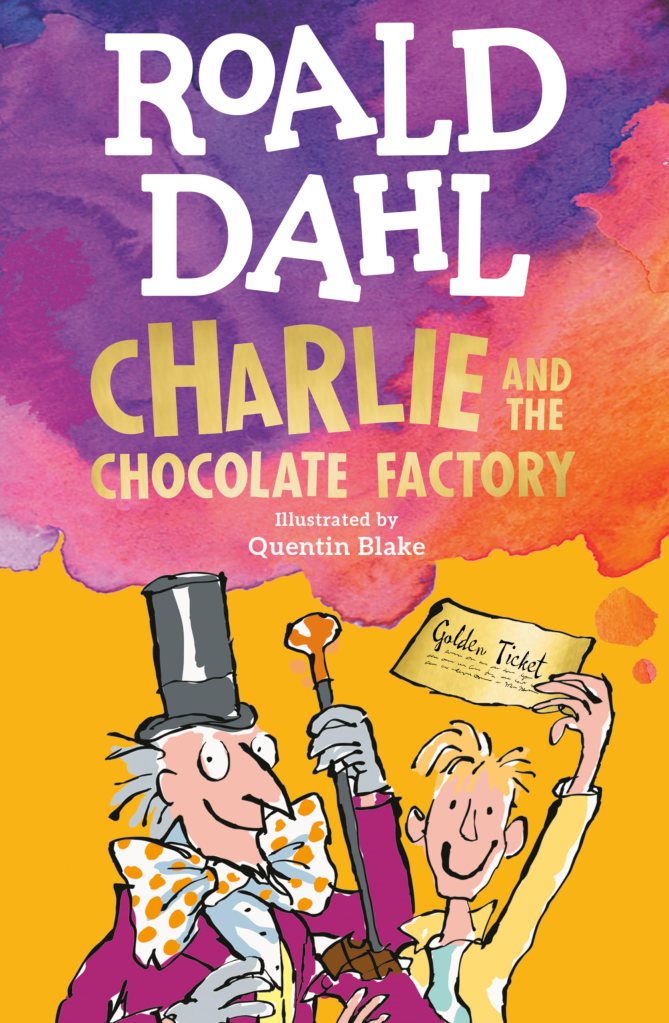
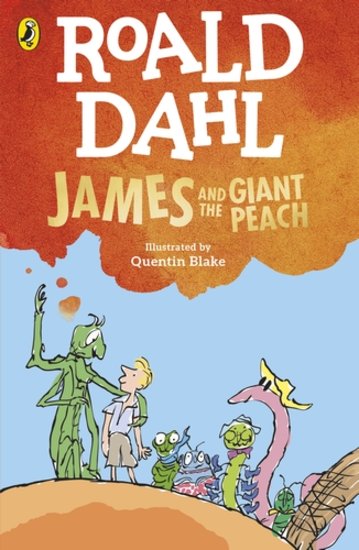
Matilda; The Giraffe, the Pelly, and Me; The Witches; The BFG; George’s Marvellous Medicine; The Twits; Charlie and the Chocolate Factory; James and the Giant Peach
What I find particularly interesting about returning to Dahl is that the books don’t necessarily feel like the same books we remember. The stories might be familiar, but we’re not the same readers we were as children. When we were young, we were probably more interested in whether Charlie would win the Golden Ticket, whether Matilda would finally get the better of Miss Trunchbull, or whether Mr Fox would outfit the farmers than in the implications behind the characters and the language.
This is part of the strange magic of re-reading childhood books. Sometimes we rediscover exactly what we loved about them, sometimes we discover things we had completely forgotten, and occasionally we discover something that makes us pause.
Why Does Roald Dahl Endure?
There are plenty of good children’s books around, but Dahl has achieved something beyond simply being popular. His stories have become almost cultural reference points. Characters such as Willy Wonka, the BFG, Matilda, and the Grand High Witch have moved beyond the original books and into films, television, theatre, classrooms, and popular culture.
The Roald Dahl Story Company says that more than 300 millions of his books have been sold worldwide and have been translated into more than 65 languages, which gives some sense of the extraordinary reach of the stories.
So, what is it about them? For me, part of the answer is that he understood something fundamental about children; they don’t necessarily want adults to make everything nice for them. His books can be dark, adults can be cruel, stupid, vain, neglectful, and downright monstrous; children can be frightened, bullied, and underestimated; parents are not always wise and teachers are not always kind.
The world of a Dahl story is often an unfair place, but the child at its centre is usually given the possibility of doing something about it.
There is something enormously satisfying about seeing a child outsmart an adult who has underestimated them. Matilda fights back against Miss Trunchbull; Charlie isn’t powerful or wealthy but it’s his goodness that matters; Sophie finds herself confronted by something frightening, but she doesn’t go running off for help by someone bigger and stronger, she manages it herself.
And not to forget that his books are funny. Dahl’s sense of humour is gloriously horrible. Children are allowed to laugh at things that adults might find disgusting, rude, or inappropriate. There are enormous people, revolting people, people who get what they deserve, and people who behave so badly that their downfall becomes part of the fun of the story.
The Deliciously Wickedness Of It All
One of the things I think he understood better than a lot of other writers is that children enjoy being frightened. I’m not talking about them being traumatised, but just enough to make turning the page exciting.
The Witches is a particularly good example of this. It is a genuinely sinister book, but it’s also funny; this idea of witches hiding among ordinary women is creepy, yet he constantly punctures the horror with absurdity. The same is true of The BFG where giants are terrifying but also ridiculous, and Charlie and the Chocolate Factory, where the factory is magical but there’s this underlying sense that something could go wrong at any moment.
Dahl trusts the reader to cope with this mixture of terror and humour. He doesn’t talk down to children but gives them a world where terrible things can happen, but where imagination, cleverness, friendship, and courage can make a difference.
But Can We Still Read Him in the Same Way?
This is where things become a bit more difficult. In 2023, it emerged that Puffin had made hundreds of changes to new editions of his books, working with sensitivity readers to alter language that was considered offensive or outdated. Words and descriptions relating to weight, gender, appearance, and other subjects were changed, with some passages entirely rewritten rather than simply removed. And unsurprisingly, the reaction was enormous.
Some readers welcomed the attempt to make these books more accessible to modern children, but others (the camp I fall into) saw the changes as unnecessary censorship and argued that changing the language of an established author alters the work itself.
The controversy became particularly heated because his books are so deeply embedded in people’s childhoods. For many readers, this was not an obscure literary text being revised for a new editions. These were the books they remembered being read under the covers, the books they gave their own children, and the books they thought they knew.
Eventually Puffin announced that the original versions would remain available in a separate collection, meaning readers could choose between the revised editions and the original texts.
For me, the most interesting question isn’t simply whether the edits were right or wrong, but whether we need to pretend an old book doesn’t include difficult terminology or topics.
Books change meaning over the years, and what might have been acceptable 50 years ago might not be now, but that doesn’t mean we need to erase all evidence of it. We can read something written 50 or 100 years ago and recognise language that now feels uncomfortable. We can put it in historical context and explain it to a child.
It’s possible to decide that a particular book is no longer right for a particular reader, but we can also decide that the original should remain available because it’s an historical text and because readers deserve the opportunity to encounter it as it was written.
I don’t necessarily agree with changing the text myself. By ignoring things or erasing them, we risk them becoming the norm. Some terminology which was acceptable in the 1920s would not be acceptable in the 2020s, and that’s okay. I relish the chance to explain to younger readers what the term means, what it was used for, and why it is no longer acceptable to use. I think children deserve the right to learn from past mistakes. And by erasing these mistakes, we are erasing their chance to understand.
The Man Behind the Books
There is, however, another part of his legacy that can’t be dealt with simply by changing a few words.
Dahl himself expressed deeply antisemitic views during his lifetime – which may have been socially acceptable at the time when he was a young man. However, some comments were not merely an unfortunate sentence taken out of context. In fact, he made a number of prejudiced statements in interviews in the 1980s and shortly before his death in 1990 – a time where those views were not acceptable. In 2020, his family and the Roald Dahl Story Company formally apologised for the hurt caused by his remarks.
There’s always a temptation when talking about a beloved author to separate the books completely from the person who wrote them, and sometimes that feels reasonable and something I try to do. After all, a story can become something much larger than its creator. Millions of children have found comfort, safety, laughter, and inspiration in his books who know absolutely nothing about him as a man.
I don’t think we need to choose between pretending he was simply a wonderful man who wrote wonderful books and deciding that because he held terrible views nobody should ever read him again. Both positions seem too easy.
People are complicated, writers are complicated, and ultimately art is complicated. And sometimes the most honest way to engage with a beloved book is to admit that it contains things that we no longer find comfortable.
Can a Problematic Book Still Be a Good Book?
This is perhaps the question that interests me most. We are increasingly encouraged to think about books through the lens of whether they have aged well. Sometimes this is necessary; literature has the ability to shape the way we see other people, particularly when we encounter it when we’re young, and representation matters. But I also think there’s a danger in imagining that every children’s classic needs to pass a modern test of perfection.
Dahl’s books were written in a particular time, by a particular person, with all the prejudices and assumptions that came with that person and that period. That doesn’t excuse those prejudices, but it does help us understand them. And there’s an important difference between saying “this book contains ideas or descriptions that I find troubling” and saying “therefore nobody can get anything worthwhile from this book”.
We can do both things at once: love a story and criticise it. We can remember why a book mattered to us while recognising what we missed when we were young. We can hand Matilda to a child and talk about why she is such a brilliant character while also being prepared to discuss the ways he described bodies and appearances. We can laugh at the ridiculousness of Willy Wonka while remembering that not everything Dahl wrote or believed in deserves to be treated as harmless eccentricity.
Perhaps Children Don’t Need Perfect Books
One of the strange things about growing up is realising that the books that shaped us are not necessarily perfect. Sometimes the flaws are obvious, and other times they only become visible when we revisit a story decades later. Sometimes we disagree with an author’s politics or assumptions, and sometimes we discover something about the author that changes the way we see the book.
That doesn’t and shouldn’t erase our childhood. I don’t think knowing more about Roald Dahl as a man means I have to stop remembering the pleasure of reading the books. Nor does loving Matilda mean I have to defend every sentence he ever wrote.
Perhaps the better response is to read more thoughtfully. If we introduce children to older books, we can give them context; we can talk about why certain language is no longer acceptable; we can allow them to question the stories they read rather than simply presenting classics as untouchable objects that must be admired.
Why I Still Return to Roald Dahl
Despite everything, I still understand why these books have lasted. I understand why children still want to enter Wonka’s factory (hell, I still want to go), I understand why the BFG’s strange language still makes people smile, and why Fantastic Mr Fox remains such a satisfying story about outwitting people who think they’re more powerful than you.
Dahl had an extraordinary imagination, and his storytelling has a particular energy that is difficult to imitate. He knew how to make children laugh, gasp, cringe, and turn the page to find out what happened next.
Those things are real; but so are the uncomfortable parts. But perhaps we don’t need to choose which is the “real” Roald Dahl. The real Dahl is the brilliant storyteller and the flawed human being. The books can be imaginative and funny while also containing attitudes that deserve scrutiny.
A Different Kind of Re-Reading
When I think about re-reading Dahl now, I don’t think the question should be about whether I can read him ‘the same way’ I did as a child. Of course I can’t, I know far more now than I did then. I know more about the author, the language, the representation, and the way children’s books can influence the way we understand the world.
Roald Dahl Day is a celebration of stories and characters, and those stories have become part of countless childhoods. Today is the official celebration, with schools and readers encouraged to mark the occasion in their own way.
So, this year, rather than simply asking whether Roald Dahl is still relevant, perhaps we should ask what happens when we read him with the benefit of hindsight? Can we still laugh, be horrified, be enchanted? Can we recognise the brilliance without ignoring the ugliness?
I think we can. The best way to keep reading Dahl is not unquestioningly or apologetically, or by pretending the difficult parts aren’t there, but by allowing the books to be exactly what the yare – imaginative, funny, strange, sometimes uncomfortable, occasionally troubling, and undeniably influential.
The magic doesn’t have to disappear just because we have finally learned to look behind the curtain.

