Far from just being a way to pass the time, books have always been windows into people’s lives. Sometimes they allow us to see ourselves reflected in the world around us, and other times they offer us a glimpse into experiences different from our own. For people living with chronic illness or disability, however, finding those reflections on the page has not always been so easy.
For a long time, disabled or chronically ill characters only existed at the edges of stories. They were the tragic figures that readers were meant to pity, the inspirational side character or loyal best friend, and sometimes just a token addition included to tick a diversity box. Rarely were they allowed to simply be; to be messy, funny, brave, flawed people who just so happened to have a disability or chronic illness.
Thankfully, that is slowly changing. As conversations around diversity and inclusion continue to grow, more authors are creating stories where disability is not treated as a defining limitation, but as one aspect of a person’s life and identity. Representation is becoming richer and far more authentic, and that can only be a positive thing.
As an adult living with illness myself, I still feel a genuine thrill when I discover a book – fiction or otherwise – with a strong character who also happens to live with an illness or disability. Seeing elements of your own experiences reflected in a story can be surprisingly powerful. It can make readers feel visible, understood, and less alone. And if that feeling matters to me as an adult, I can only imagine what it means for a child or teenager to pick up a book and find someone who thinks, acts, feels, or lives as they do.

Why Disability Representation in Books Matters
Whilst it is important to have visibility in books, it’s about so much more than that. Stories shape how we understand people and the world around us. For young readers especially, books can help build empathy and understanding. Reading about disabled or chronically ill characters allows readers to engage with experiences they may not encounter in their own lives. When they later meet people with disabilities in the real world, those experiences no longer feel unfamiliar.
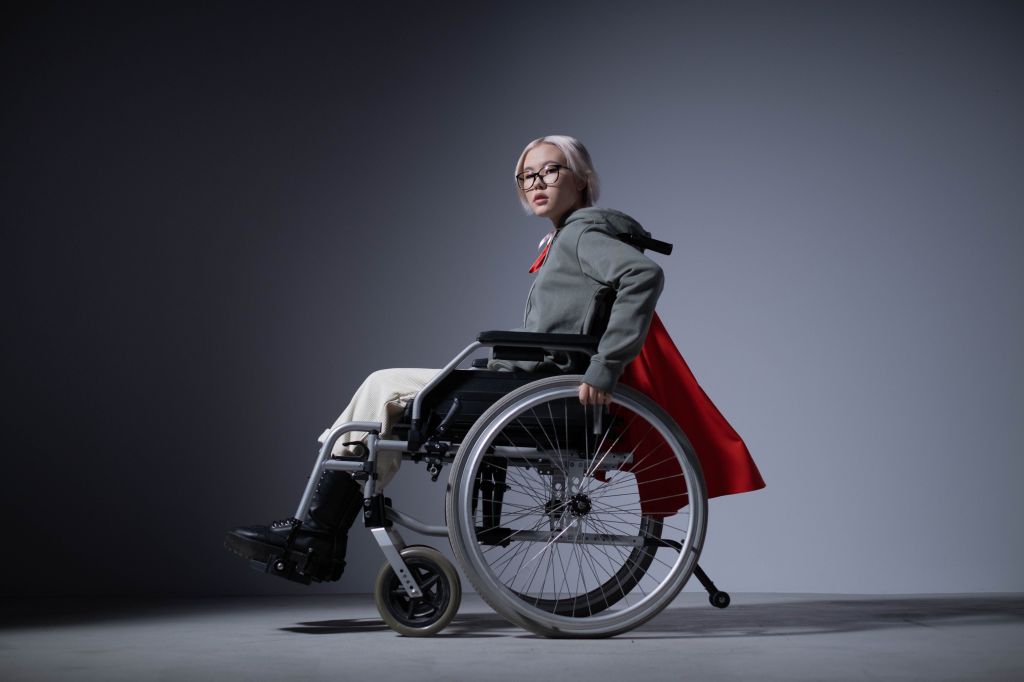
Disabled people are often presented as inspirational simply for existing, or alternatively as figures of tragedy. Stories that place disabled characters at the centre as the heroes, the adventurers, the leaders, help dismantle harmful assumptions that disability somehow limits a person’s worth, voice, or potential.
According to the World Health Organisation, an estimated 1.3 billion people worldwide experience disability, accounting for approximately 16% of the global population. Disability is part of everyday life. Literature should reflect the diversity of the world the readers actually live in.
Of course, there is still work to do. Authentic representation matters just as much as inclusion itself. Readers increasingly seek books written by disabled authors or informed by their lived experience, helping ensure stories feel truthful rather than relying on outdated assumptions.
Below are a few books that explore a range of chronic illnesses and disabilities across adult fiction, children’s fiction, young adult literature, and non-fiction. This is by no means an exhaustive list, but hopefully it provides a good starting point.
Adult Fiction
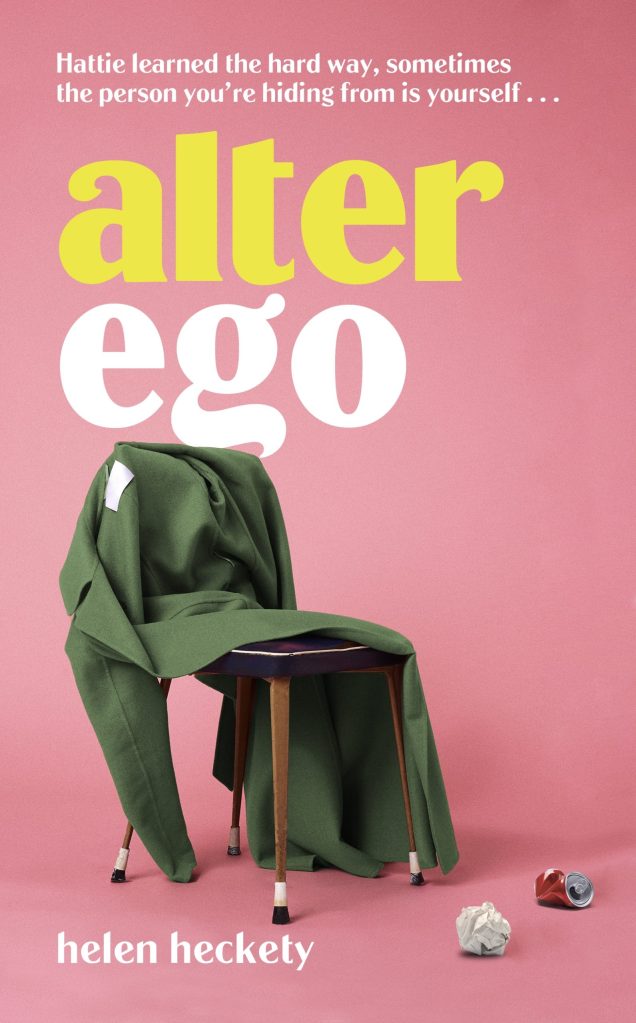
– Alter Ego by Helen Heckety (Unspecified)
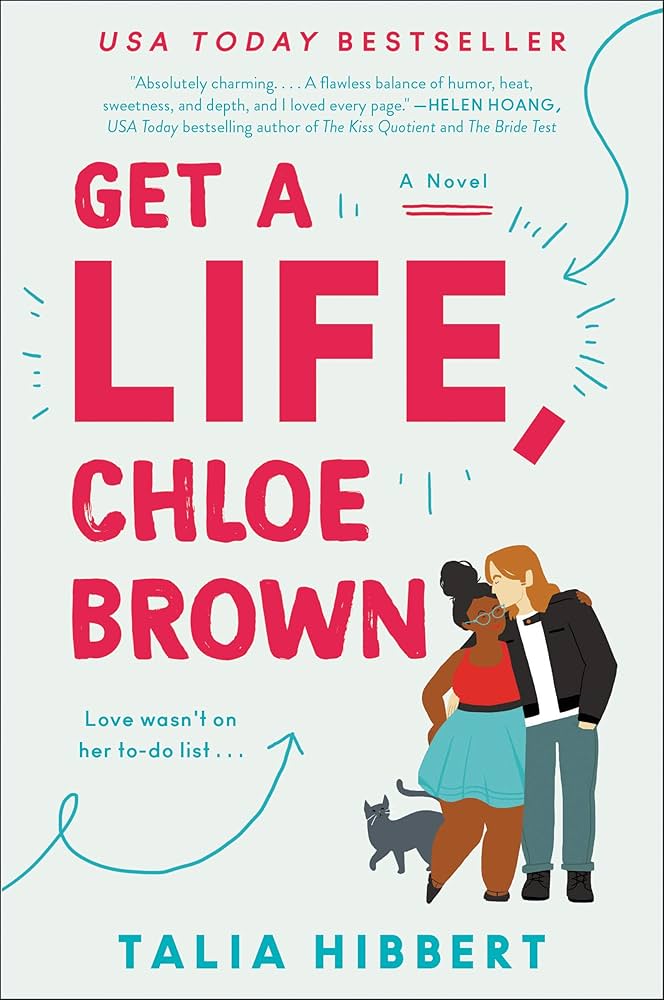
– Get a Life, Chloe Brown by Talia Hibbert (Fibromyalgia)
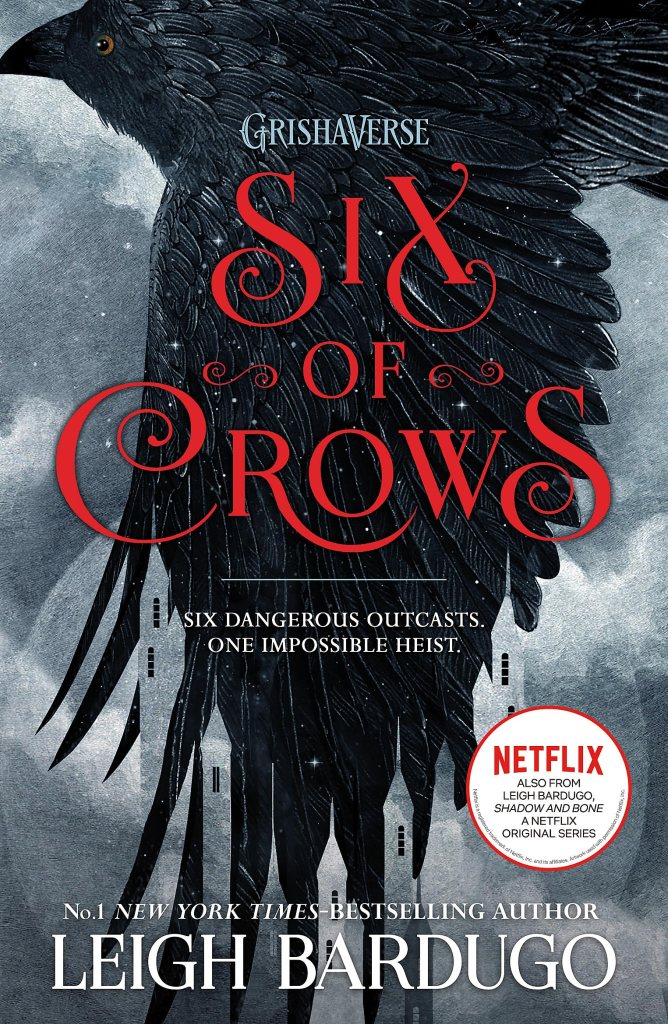
– Six of Crows by Leigh Bardugo (Chronic pain)
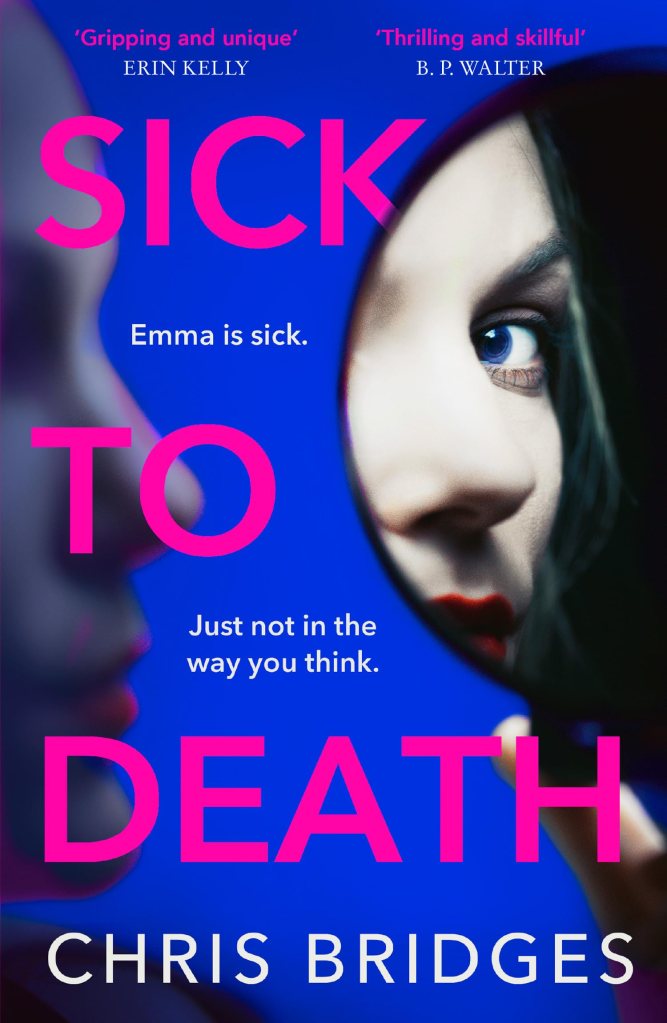
– Sick to Death by Chris Bridges (Functional Neurological Disorder)
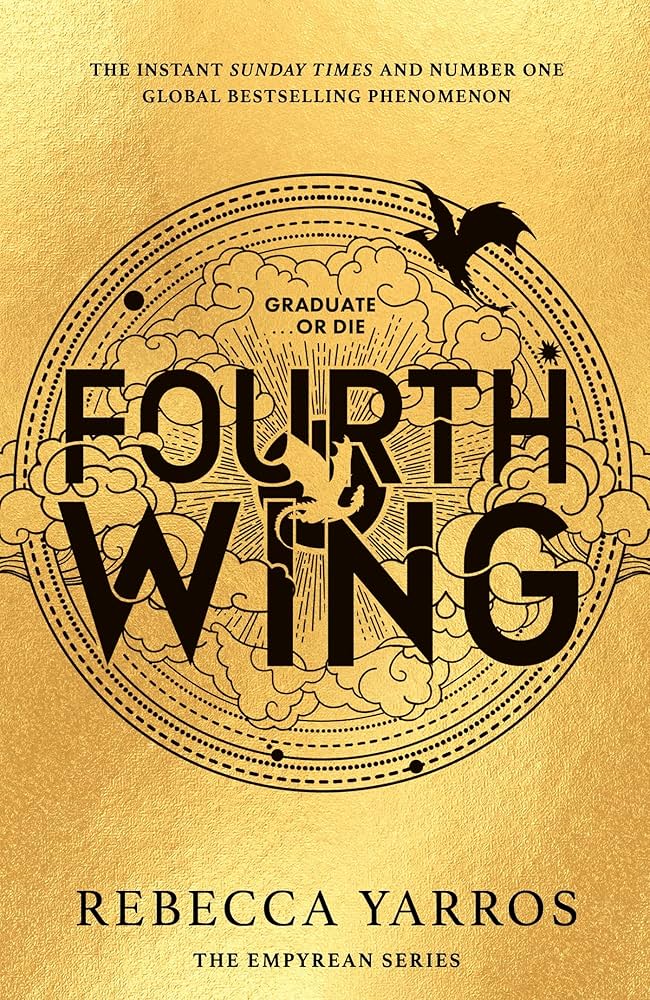
– The Fourth Wing series by Rebecca Yarros (Hypermobility; Unspecified Chronic Illness)
Children’s and Young Adult Fiction
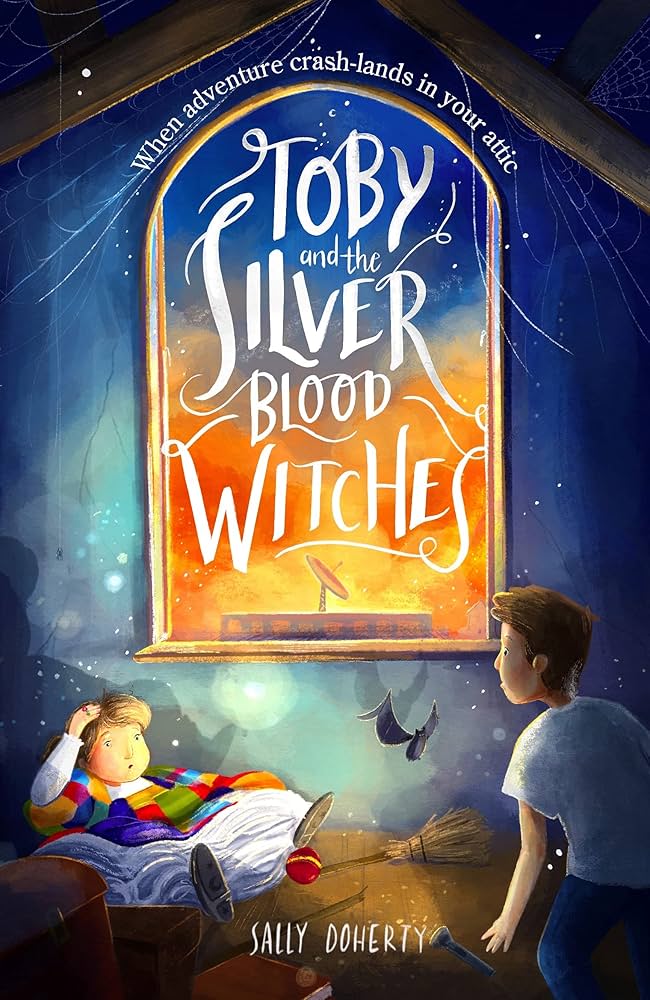
– Toby Bean series by Sally Doherty (M.E.)
– Max and Monty: The Raven Thief by Sally Doherty (M.E.)
– Lycanthropy and Other Chronic Illnesses by Kristen O’Neal (Lyme Disease)
– What Happened to You? by James Catchpole and Karen George (Limb Difference)
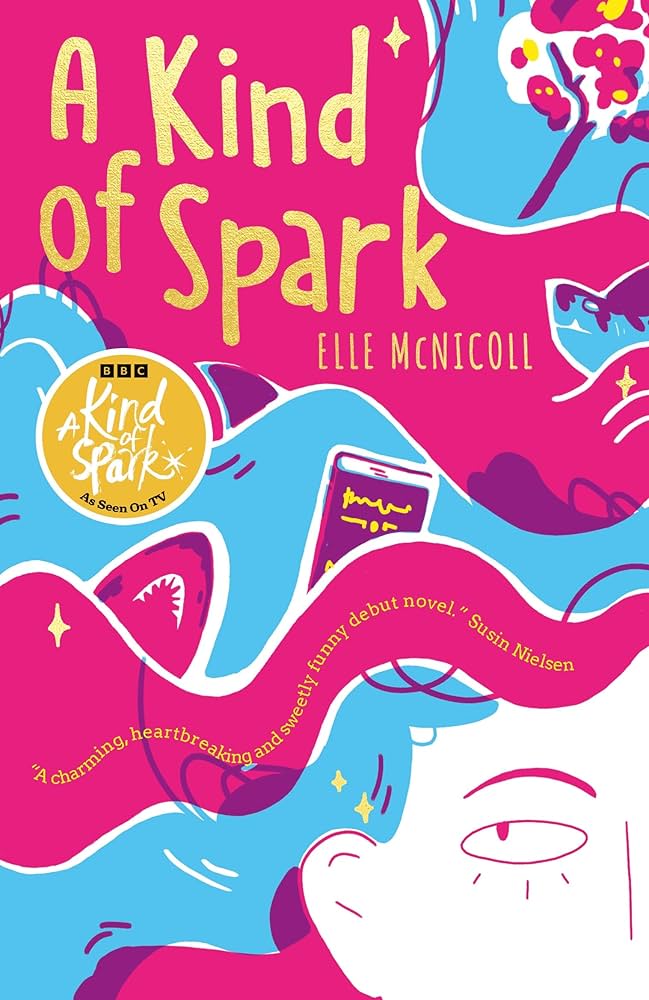
– A Kind of Spark by Elle McNicoll (Autism)
– The Curious Incident of the Dog in the Night-Time by Mark Haddon (Autism)
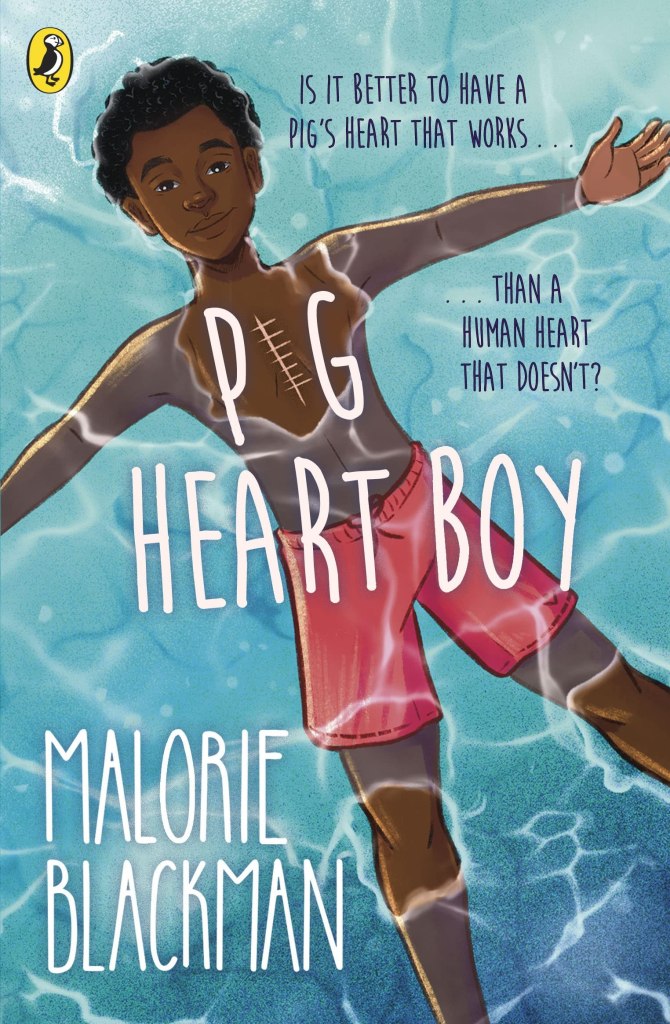
– Pig Heart Boy by Malorie Blackman (Heart Disease)
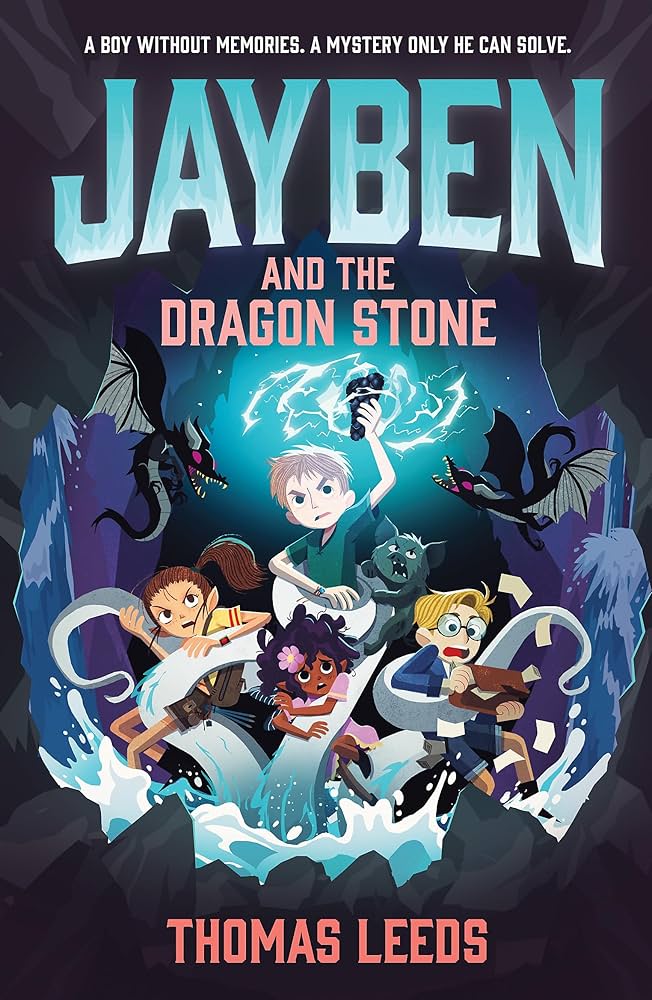
– The Jayben series by Thomas Leeds (Seizures)
– Cosima Unfortunate series by Laura Noakes (Hypermobility; Chronic Pain; Wheelchair User; Neurodivergence; Anxiety)
– Splash by Claire Cashmore (Limb Difference)
– The Secret of Haven Point by Lisette Auton (Burns; Chronic Pain; Neurodivergence; Deafness)
– The Vivi Conway series by Lizzie Huxley-Jones (Autism)
Non-Fiction
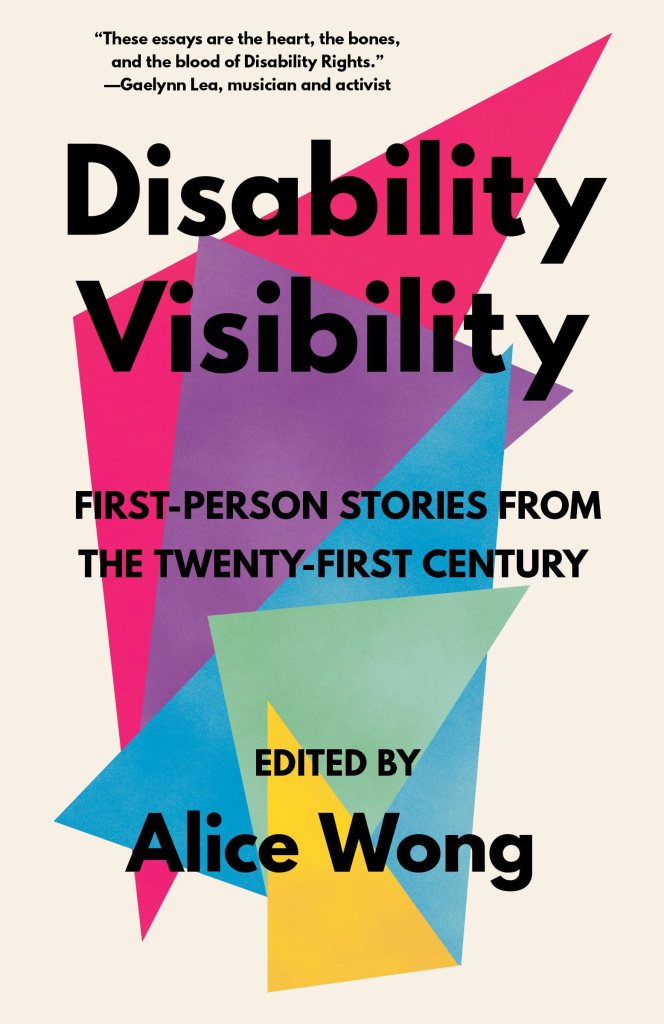
– Disability Visibility: First-Person Stories From the Twenty-First Century edited by Alice Wong
– My Left Foot by Christy Brown
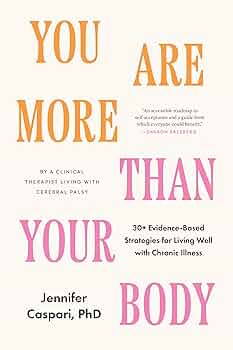
– You Are More Than Your Body by Dr Jennifer Caspari
– The Cracks That Let the Light In by Jessica Moxham
– I Am Not a Label by Cerrie Burnell
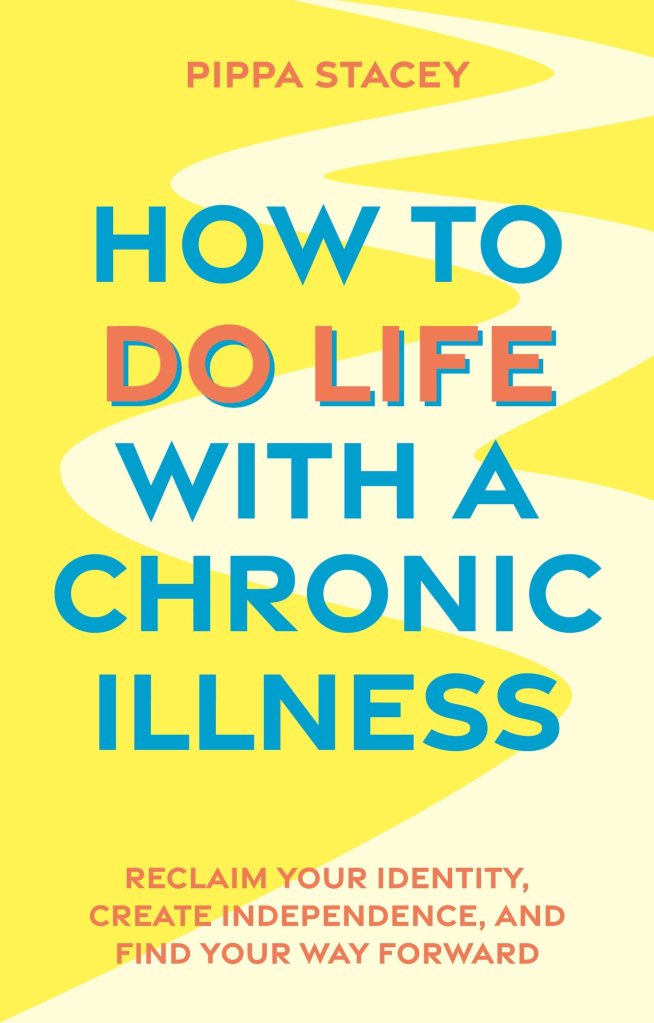
– How to Do Life With a Chronic Illness by Pippa Stacey
– Who Wants Normal? by Frances Ryan
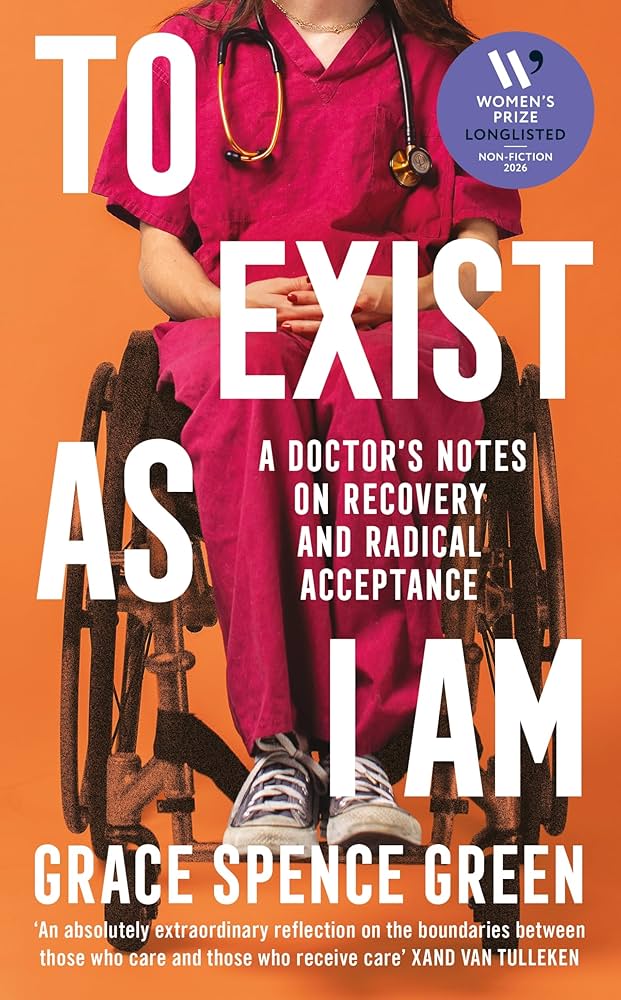
– To Exist As I Am by Grace Spence Green
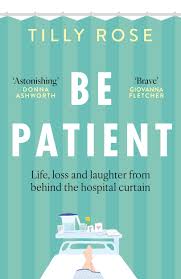
– Be Patient by Tilly Rose
– NeuroTribes by Steve Silberman
Final Thoughts
Stories matter because people matter. For chronically ill and disabled readers, seeing authentic experiences represented on the page can provide comfort, validation, and a sense of belonging. For everyone else, these stories create opportunities for empathy, understanding, and challenging assumptions.
The best books about chronic illness and disability are not important simply because they include disabled characters. They matter because they tell compelling stories about real people whose illnesses and disabilities are part of who they are, and not all they are.
As publishing continues to evolve, hopefully we’ll see even more stories where disabled people are not confined to the sidelines but allowed to take centre stage. Because everyone deserves to find themselves in a story.

