I’m not going to go into too much detail about it, but I’ll start by saying that I’ve experienced a lot of grief over the last few years – the hardest being the loss of my dad in 2017, when I was just 24.
Grief is such a personal thing. There isn’t a right way to do it, and there definitely isn’t a timeline. So, this isn’t me telling you what you should read, or how you should feel. Take what you need, leave what you don’t, and go at your own pace.
I never really need an excuse to lose myself in a book, but if I did, grief would be a big one. There’s something about reading – both fiction and non-fiction – that feels different when you’re going through loss. But why do we turn to books at times like this?
The pain of bereavement can be overwhelming and strangely difficult to describe, even if you’re someone who usually has the words. It’s so deeply personal that it can feel impossible to properly explain how you’re feeling. Sometimes it’s easier to hope that someone else has already found the words for you.
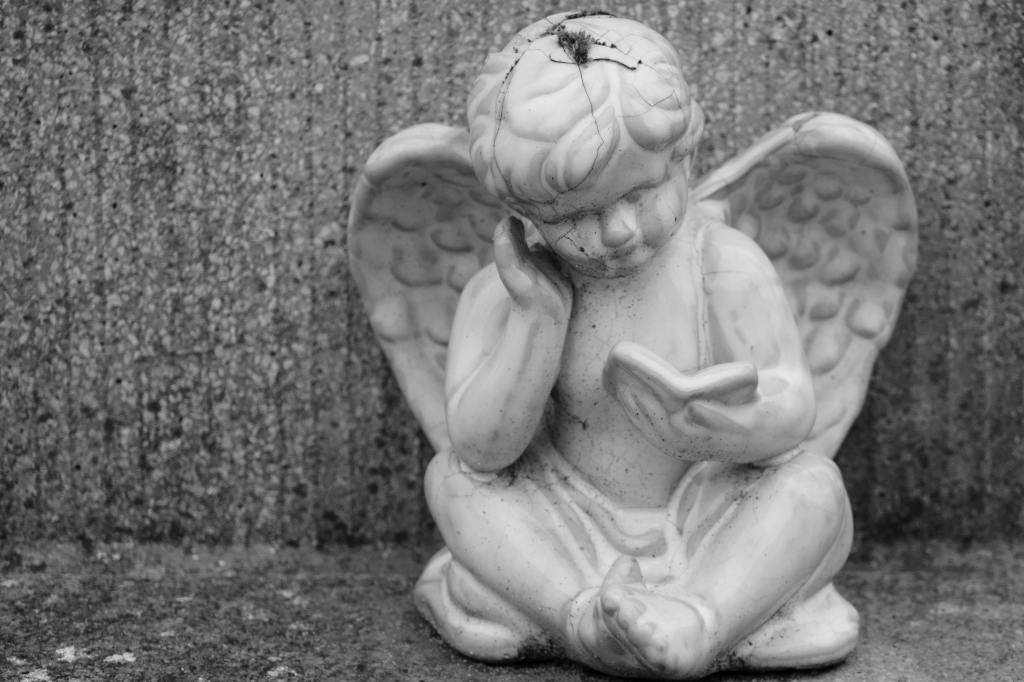
The psychologist John Bowlby once wrote:
“Loss of a loved person is one of the most intensely painful experiences any human being can suffer…there is a tendency to underestimate how intensely distressing and disabling loss usually is and for how long the distress, and often disablement, commonly lasts. Conversely, there is a tendency to suppose that a normal healthy person can and should get over a bereavement not only fairly rapidly but also completely.”
Reading about experiences that echo your own, even loosely, can feel like a kind of relief. Not because it takes the grief away (it doesn’t), but because it puts language to something that often feels unsayable. It validates what you’re feeling. It reminds you that you’re not the first person to go through this, and that you can and will survive.
And it’s often easier to extend kindness and empathy outward. To a character. To an author. To someone else’s story. Sometimes that’s the first step towards offering even a fraction of that same compassion back to yourself.
We read books about grief to feel less alone. To feel understood. To sit, quietly, in the shared reality of being human – especially at a time when everything feels isolating.
Below is a small(ish) list of books that explore different kinds of grief. Some I’ve read myself, whilst others come highly recommended.
Fiction: Grief Through Storytelling
Loss of parents
A Monster Calls — Patrick Ness
Loss of a child
Lincoln in the Bardo — George Saunders
Everything I Never Told You — Celeste Ng
Loss of a spouse or partner
Grief Is the Thing with Feathers — Max Porter
This Book Made Me Think of You — Libby Page
Loss of a sibling
My Sister Lives on the Mantelpiece — Annabel Pitcher
Loss of a friend
We All Want Impossible Things — Catherine Newman
Young death
The Fault in Our Stars — John Green
Bridge to Terabithia — Katherine Paterson
Grief more broadly
The Library of Heartbeats — Laura Imai Messina
Non-Fiction: Living With Loss, in Their Own Words
Loss of a child
I Promise It Won’t Always Hurt Like This — Clare Mackintosh
Time Lived, Without Its Flow — Denise Riley
Loss of a parent
Crying in H Mart — Michelle Zauner
Loss of a sibling
The Last Act of Love — Cathy Rentzenbrink
Loss of a spouse or partner
The Madness of Grief — Rev. Richard Coles
The Iceberg — Marion Coutts
Travelling with Ghosts — Shannon Leone Fowler
The Year of Magical Thinking — Joan Didion
Grief more broadly
H Is for Hawk — Helen Macdonald
A Grief Observed — C.S. Lewis
It’s Okay That You’re Not Okay — Megan Devine
Good Mourning — Sally Douglas & Imogen Carn
The Grief Handbook — Bridget McNulty
Sad Book — Michael Rosen
You Are Not Alone — Cariad Lloyd
A Final Thought
There’s no book that can fix grief. No story that neatly resolves it or makes it disappear. That’s not really the point.
But sometimes, the right book at the right moment can make things feel a little less heavy. It can sit with you in the quiet, give shape to something you haven’t been able to say out loud, or just offer a small sense of company when you need it most.
If you’re grieving – whether it’s recent or something that’s been sitting with you for years – I hope you’re being as gentle with yourself as you can be. And if reading helps, even a little, then maybe one of these might find you at the right time.


Thank you for sharing this thoughtfully written post and suggested reads.
LikeLiked by 1 person
This is good, Victoria. Thank you. And I’m sorry for the loss of your father. You’re a good person, and I’m sure he was a good man. Take care.
LikeLiked by 2 people