Let’s start with the basics: what is a medical memoir?
Medical memoirs are one of those genres I find myself returning to again and again.
There’s something about the honesty of these stories – whether they’re written by doctors, nurses, or patients – that makes them incredibly powerful to read.
They can be heartbreaking, inspiring, and sometimes even surprisingly funny, but above all they remind us that medicine isn’t just about diagnoses and treatments. It’s about people.
So, What Exactly Is a Medical Memoir?
A medical memoir is a non-fiction, usually first-person story that focusses on someone’s experiences with health, illness, or medicine. These books are often written by doctors or nurses, but they can also come from caregivers, researchers, or the patients themselves.
What makes them so powerful is that they take something that can feel intimidating or clinical and turn it into a deeply human story.
What Defines a Medical Memoir?
Most medical memoirs share a few common features:
Firstly, they usually centre on a specific experience or period of someone’s life, rather than telling their whole life story. That might be a doctor reflecting on their career, a patient describing their journey with illness, or a caregiver navigating the healthcare system.
They also tend to explore similar themes, such as pain, healing, resilience, treatment, and the realities of modern healthcare.
And one of the things I love most about the genre is that it can be told from so many perspectives. You might hear from doctors, surgeons, nurses, patients, family members, or friends. Each viewpoint shows a slightly different side of the same world.
Why Do Readers Love Medical Memoirs?
Medical memoirs offer something that many other books don’t: honest, raw storytelling about the most vulnerable parts of life.
They open a window into the human body, illness, and the healthcare system in a way that feels accessible rather than overwhelming. Instead of medical jargon and statistics, we’re reading about real people and real experiences. We’re also naturally drawn to personal stories, especially ones that involve high-stakes situations. When life and death are part of the narrative, the emotional impact can be huge.
But there’s another reason I think these books are so popular: they can genuinely help people. You don’t need to have personal experience of illness to read a medical memoir, but many readers do turn to them when they’re going through something themselves. I know I have. At the moment, I’m reading FND Stories, which includes perspectives from patients, researchers, and doctors experience Functional Neurological Disorder in its clinical and personal form.
When you’re dealing with a health issue, you’re often faced with complicated terminology and confusing treatment options. Medical memoirs can help make sense of all that. They take the clinical side of medicine and translate it into something more understandable – and often more comforting too, as it tells us, ‘You are not alone’.
They also celebrate what I like to think of as ordinary heroes. In a world where it sometimes feels like people become famous simply for being famous, there’s something refreshing about reading stories from nurses, doctors, and patients simply sharing their experiences.
And of course, they’re incredibly relatable. Every one of us will experience illness at some point in our lives, whether it’s our own or someone close to us. Medical memoirs give us a way to understand those experiences and process the curveballs life throws our way.
Despite the heavy topics they often explore, they are usually about hope and healing. They remind us how people support each other during difficult times and how resilience can appear in the most unexpected places.
Did Adam Kay Invent the Medical Memoir Genre?
When people think of medical memoirs, one book often comes to mind first: This Is Going to Hurt by Adam Kay.
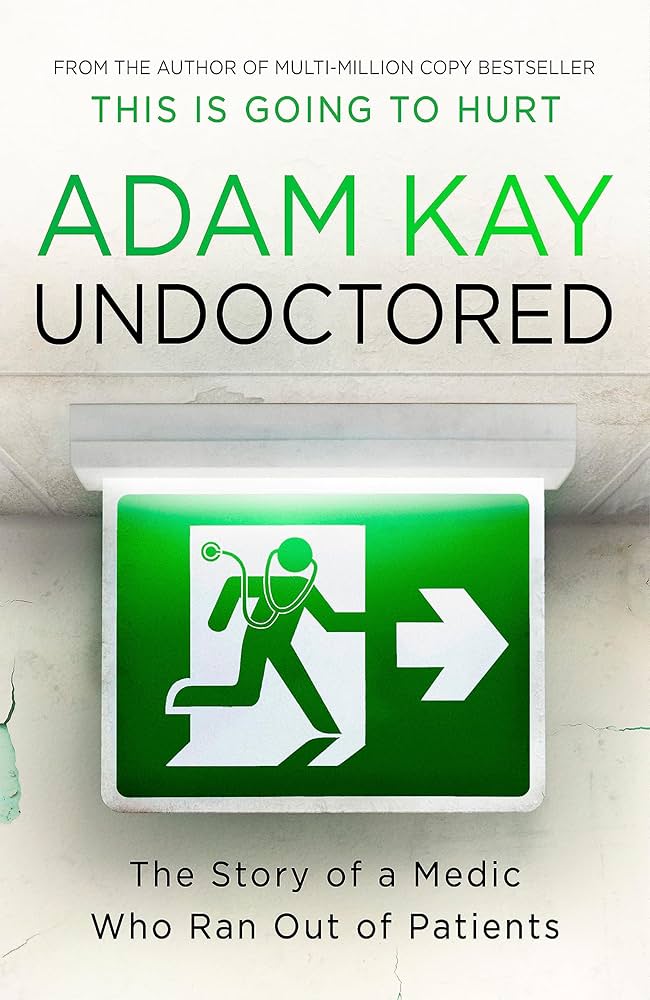
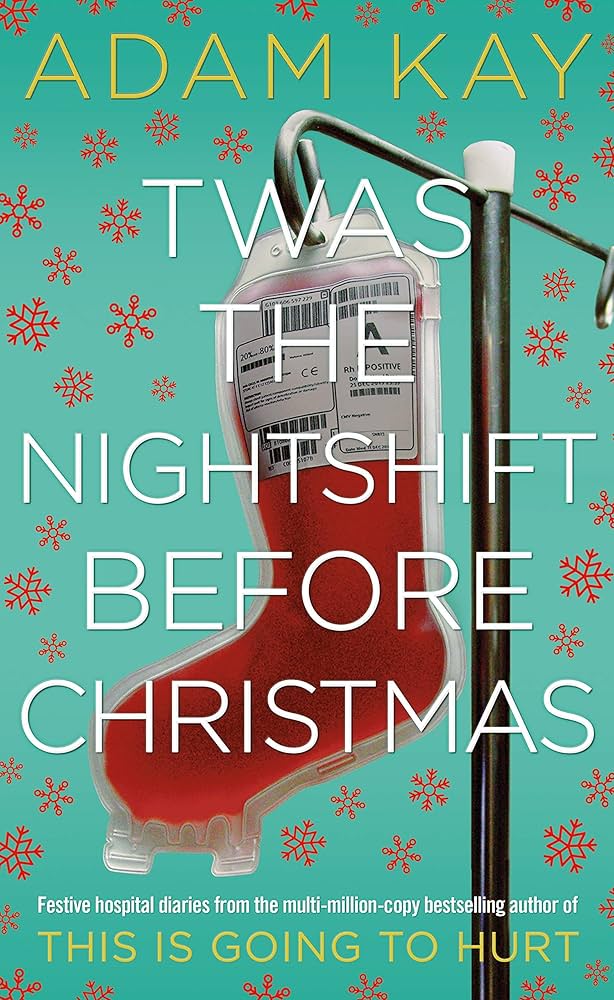
And it’s easy to see why. The book has sold over 2.5 million copies and was adapted into a television series starring Ben Whishaw. Through a mixture of hilarious and heartbreaking diary entries, Kay gave readers a brutally honest look at life as an NHS junior doctor. His writing brought the genre to a much wider audience and showed that medical stories could be both deeply moving and very funny.
But while Adam Kay helped popularise medical memoirs for modern readers, he certainly didn’t invent the genre.
If we look further back, one of the earliest patient accounts comes from Fanny Burney in 1812, when she wrote a letter to her sister describing her experience of undergoing a mastectomy without anaesthesia.
On the medical side, one early example dates to the early 1700s. In Letters to My Amputated Leg, the author described his experience of phantom limb pain after amputation.
So, while medical memoirs might feel like a modern trend, people have been sharing these kinds of stories for centuries.
The Medical Memoirs I Recommend
If you’re curious about the genre, here are some medical memoirs I’d definitely recommend:
– When Breath Becomes Air – Paul Kalanithi (lung cancer)
– Reasons to Stay Alive – Matt Haig (mental health)
– Do No Harm – Henry Marsh (neurosurgery)
– The Prison Doctor – Amanda Brown (healthcare behind bars)
– The Year of Magical Thinking – Joan Didion (grief and bereavement)
– A Beginner’s Guide to Dying – Simon Boas (terminal illness)
– How to Treat People – Molly Case (nursing)
– War Doctor: Surgery on the Front Line – David Nott (warzone medicine)
– To Exist As I Am – Grace Spence Green (paralysis)
One of my personal favourites is The Language of Kindness by Christie Watson. A former clinical nurse, Christie was initially reluctant to write a book about her career, saying “I don’t think anyone from the outside would be interested.”
Thankfully she changed her mind. The book was incredibly well received, and she later followed it up with The Courage to Care and Moral Injuries.
Another author whose medical memoirs I really enjoy is Rachel Clarke. Her books include Your Life in My Hands, Dear Life, Breathtaking, and The Story of a Heart, which won the Women’s Prize for Nonfiction in 2025.
To Finish
Medical memoirs remind us that behind every diagnosis, treatment, or hospital visit is a human story. Whether they’re written by doctors, nurses, patients, or caregivers, these books allow us to see the world of medicine through someone else’s eyes. They can educate us, comfort us, and sometimes even help us make sense of our own experiences.
For me, that’s what makes the genre so special. These aren’t just stories about illness or hospitals – they’re stories about people, compassion, resilience, and hope.
And those are exactly the kinds of stories I think we’ll always want to read.
***
Do you enjoy reading medical memoirs?
I’d love to know if you have any favourites that you’d recommend. I’m always looking to add more to my reading list, so feel free to share them in the comments.

