Murder, by its very nature, isn’t cosy. It’s violent, tragic, and something that we would very much prefer never to encounter in real life. And yet millions of readers (me included) happily curl up with books about it.
And not just crime novels, either – but ones labelled as ‘cosy crime’.
At first glance, that label seems weird. What exactly is comforting about a murder mystery? And why are stories about fictional crimes so popular when real-life crime is anything but pleasant?
What Exactly Is Cosy Crime?
Cosy crime is a subgenre of mystery fiction known for its lighter tone and puzzle-like plots. Unlike darker thrillers, they tend to avoid graphic violence, explicit scenes, or strong language. Instead, the focus is firmly on the mystery itself and the slow process of figuring out whodunnit.

What Makes a Cosy Crime Novel?
One of the defining features of cosy crime is the main character. Rather than a hardened police officer or official detective, the protagonist(s) is usually an ordinary person who finds themselves swept up in a real-life mystery. Curiously, they tend to be of retirement age and more than a little bit nosy – making them the perfect amateur sleuth.
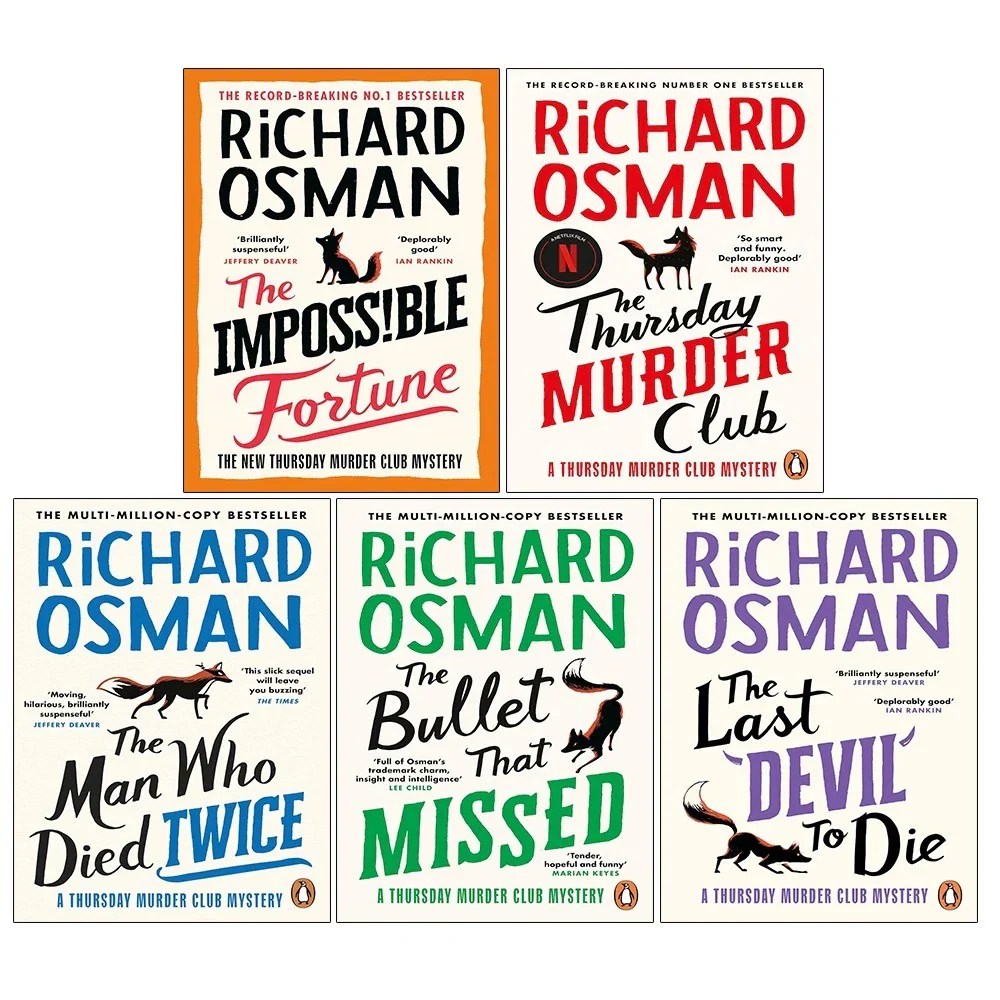
You can see all of this in The Thursday Murder Club series by Richard Osman (more on him later), and in Robert Thorogood’s Marlow Murder series.
Setting is another key ingredient. Cosy crime novels are often set in villages or small communities where everyone knows everyone. On the surface, everything looks idyllic, but beneath all that, there are usually a surprisingly large number of secrets. And with everyone knowing everyone else, the suspect list can include your neighbour or even the friendly baker – no-one is above suspicion.
Another hallmark is the lack of graphic violence. The murder almost always happens off-page, leaving readers to focus on the mystery of the act, rather than the brutality of it. Because of this, the tone tends to stay light and there’s often room for humorous and quirky characters.
And perhaps most importantly, cosy crime novels almost always end on a satisfying note. The mystery is solved, the guilty party is revealed, and everything goes back to normal.
But Why Do We Love Them So Much?
Let’s be honest for a minute; the world feels like it’s going to Hell in a handcart. Turn on the news and it doesn’t take long to find stories about violence, terrorism, conflict, or natural disaster. So, it’s not surprising that readers are drawn to stories that deal with crime in a gentle way.
Cosy crime might revolve around murder, but the tone makes them almost ‘feel-good’ mysteries – the literary equivalent of comfort food. They give you the intrigue of a crime novel but without the emotional heaviness that comes with darker thrillers.
One thing that makes them so popular is that they feel so interactive. Because the protagonist doesn’t normally have access to official resources, they must solve the mystery with the limited clues they have, and so the reader ends up trying to solve it alongside them. And there’s something incredibly satisfying about spotting a clue before the protagonist does.
The Scene I Look Forward to The Most
If you’ve ever read a mystery novel, you’ll know exactly what scene I mean.
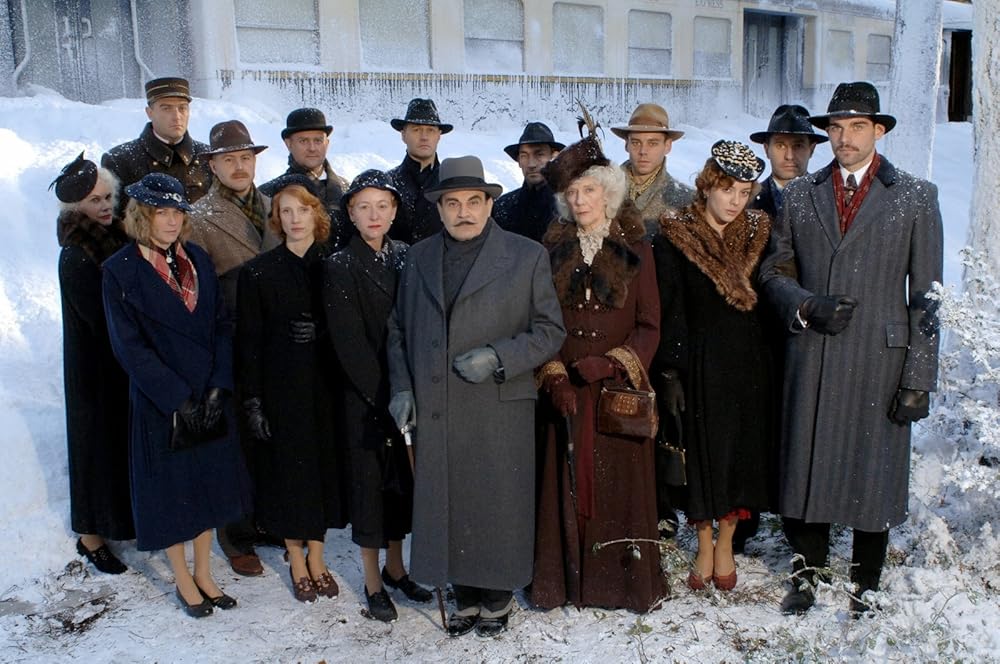
The final gathering.
This was a storytelling technique perfected by the Queen of crime, Agatha Christie, and it remains one of my favourite parts of the genre.
Throughout the story, the sleuth – professional or amateur – has been chasing leads, encountering red herrings, and hitting dead end after dead end. And then suddenly, something clicks, and they’ve got it!
And once they’ve figured it out, all the suspects are gathered together in one room while they calmy explain everything – who did it, how, when, where, and more importantly, why.
It’s predictable but I love it every time!
The Classics of Cosy Crime
You can’t talk about cosy crime without mentioning Agatha Christie. Often called the Queen of Crime, she helped define many of the storytelling techniques that the genre still relies on today, most notably in her Miss Marple series – an observant woman who was anywhere from her mid-60s to her 90s, depending on the novel.
She set the template for countless cosy sleuths that followed. Other classic cosy crime authors include:
- M. C. Beaton
- P. G. Wodehouse
- Dorothy L. Sayers
- Josephine Tey
- Patricia Wentworth
- Georgette Heyer, who alongside her romance novels also wrote several detective stories
The Modern Cosy Crime Boom
As we’ve established, cosy crime has been around for many years, but in recent years the genre has experienced something of a resurgence, and a lot of that can be traced back to Richard Osman (I said I’d come back to him).
His debut novel, The Thursday Murder Club, became the fastest-selling adult crime debut in UK history, and has since sold more than 17 million copies, and been adapted into a film starring Celia Imrie, Pierce Brosnan, Dame Helen Mirren, and Sir Ben Kingsley.
Interestingly, Osman isn’t actually fond of the term ‘cosy crime’. He’s described it as a “slightly reductive label” that overlooks some of the most serious themes in his books. Still, regardless of his thoughts on it, his books have undeniably helped bring the genre back into the spotlight, along with other modern cosy crime authors, including:
- Nita Prose and The Maid series
- Ian Moore with the Follet Valley Mysteries
- Jesse Q Sutanto and her Vera Wong books
- Anthony Johnston’s The Dog Sitter Detective
- Anthony Horowitz with Magpie Murders
- Blake Mara’s Dog Park Detectives
- S.J Bennett’s detective serious featuring the late Queen Elizabeth II as the sleuth
You could also argue that Janice Hallett fits loosely into the genre. Her books might not feel traditionally cosy, but they share several key features: the crime happens off-page, the story is structured like a puzzle, and the reader has to piece together the clues alongside the characters.
But Can Murder Ever Really Be Cosy?
As I mentioned at the start, murder is about as far away from cosy as you can get. And yet millions of readers are still happy to read book after book about it.
People have always been fascinated by crime. In fact, in 2017 alone, nearly 19 million thrillers novels were sold in the UK* (and I’m only responsible for like half of them).
Final Thoughts
As someone who reads hundreds of thrillers, I can safely say I don’t read them because they’re comforting. But cosy crime scratches a slightly different itch.
It offers the intrigue and fun of a mystery but without the emotional weight. It’s crime fiction that still manages to fill relaxing. And maybe that’s the real appeal.
In a world that feels chaotic, dangerous, and unpredictable, there’s something satisfying about a story where the mystery is solved, justice is served, and everything goes back to way it should.
And sometimes that’s exactly the kind of story we need.

