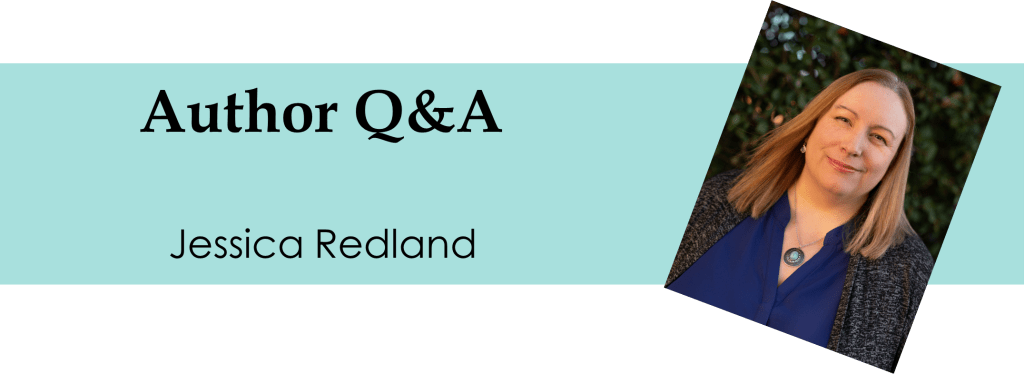
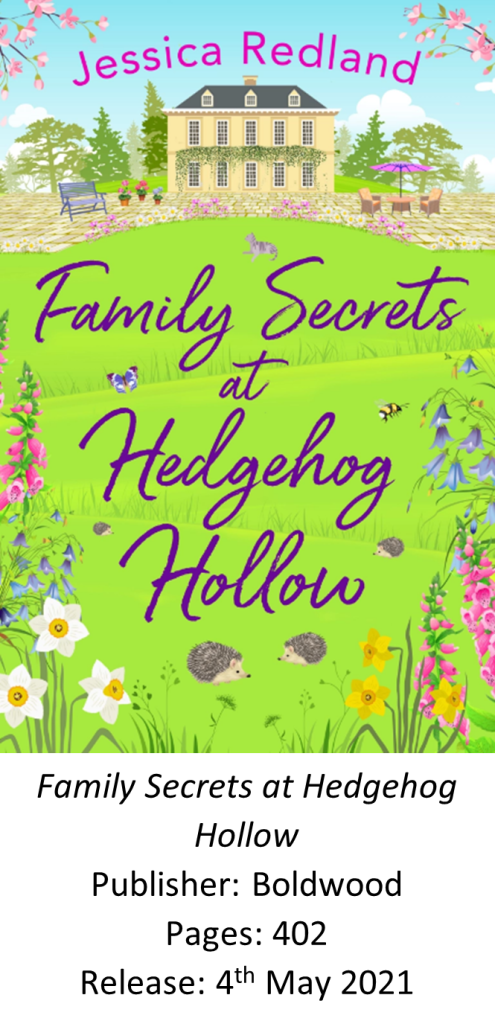
Jessica writes stories full of love, friendship, family and community. Originally they were all set in the fictional North Yorkshire seaside town of Whitsborough Bay, inspired by her home town of Scarborough, with elements of Whitby and Robin Hood’s Bay further up the coast. She then added Hedgehog Hollow into the mix, which is a hedgehog rescue centre in the beautiful countryside of the Yorkshire Wolds. Her aunt has rescued sick and injured hedgehogs for over 45 years and so she always wanted to write a story set in a rescue centre, inspired by the work that she and the amazing volunteers around the country do.
In July 2023, Jessica added a third setting, moving across the country to Cumbria, in Derwent Water in the Lake District National Park. She has been holidaying in the Lakes since childhood. Her husband, 16-year-old daughter, and 7-year-old Sprocker Spaniel Ella, love Keswick and Derwent Water. Writing a series there has given her a great excuse for more frequent visits recently.
Jessica became a full-time author 3 years ago, but worked in HR for most of her life before that, specialising in training and recruitment. This meant she had been balancing writing with a demanding full-time day job for most of her writing life. But she has found that her skills in analysing people in those HR roles have really helped her with the characterisation in her books.
Meet Jessica Redland
Questions on Writing
What is the hardest part of your writing experience?
There are so many challenging aspects of being an author. I know it’s a cliché, but being published really is like a rollercoaster ride, full of ups and downs. Lots of writers struggle with the rejection that most experience as part of the submissions process to publishers and/or agents. I didn’t find this too difficult first time around as I was new to it all and expected rejection. After 23 rejections, I secured a publishing deal but then my publisher ceased trading (another hard thing) and, with my rights back to the four books they’d published, I put them back out as an indie author. I released a few more and hit another dip on that rollercoaster when they barely sold. I knew the only way I had a chance of making it was to secure another publishing deal. I didn’t submit to many places on my second submissions round, but the handful of rejections I received at that point completely floored me. This time I found it very personal and really struggled to pick myself up from it. I seriously questioned whether it was worth continuing or whether I was fooling myself that I could write and actually make a career of this. I saw an advert in February 2019 for new publisher Boldwood Books and decided to give it one more attempt. Fortunately they loved my manuscript. Phew!
What have you learnt about yourself when writing?
I was surprised to discover that I have a very bad case of imposter syndrome. When my career started taking off through Boldwood Books, I really struggled to enjoy that first year of success as the imposter syndrome told me it was a fluke, it wouldn’t last, and I’d soon be failing. I did a lot of research into it and, once I got to the crux of what had triggered the imposter syndrome (which stemmed from a few incidents/people in my former HR career), I was able to get a much better handle on it. I still have my moments, but I recognise the signs and am much kinder to myself now around how I deal with it all.
Do you make yourself write everyday/regularly, or only when inspiration strikes?
I try to write every day but I don’t force it if I’m not feeling it, or if there are other deadlines to be met. I don’t come from the school of thought that you have to write every day – my suggestion would be that you’re thinking about it each day (or most days) instead. I’m always thinking through plot points and working out pieces of dialogue. I tend to find the first third of a book is a hard slog – something which I’ve recently discovered is the same for a lot of authors – so I am more inclined to force myself to write each day in the early stages or I’d never move forward.
What does literary success look like to you?
For me, this has changed over time. Originally it was just to type ‘the end’, having created an engaging well-plotted novel. Once I was published, my goal was to be able to earn enough to leave my day job and write full-time. I managed that a few years back but, when I feel the imposter syndrome nudging at me, I remind myself that my big goal – or my success factor if you like – has already been achieved.
Publishing is very much reported in terms of sales and chart positions and I completely get why because saying an author is a #1 bestseller or has sold a million copies is speaking in terms that people can relate to. I’m so fortunate that I have sold over a million copies of my books since joining Boldwood, but I haven’t had a #1 bestseller so that’s on the bucket list. Actually, top 10 in the UK is more of the bucket list as standalone books in my genre seem to be more likely to get to the top of the charts and I write series.
Would Top 10 be ‘success’ for me? If we’re talking numbers, yes, but my ultimate success definition is less tangible – it’s to continue to have readers who love the worlds I create and want to read my books. I’ve realised how powerful books can be in helping people come to terms with things happening in their own lives and what a gift it is to be able to write books that can make a difference in that way.
How much planning/world building do you do before writing, and how much comes along as you write?
I’m a pantser which means I ‘fly by the seat of my pants’, writing the story as it unfolds rather than planning it. I’ll know my setting, who my main character is, who their love interest will be, and the rough premise of the story, and then I let my fingers do the typing and see where my characters take me.
What is it that attracts you to a particular genre?
I write contemporary women’s fiction. I love this genre because it’s relatable – about the relationships (romantic and otherwise) everyday people have and the highs and lows in their lives. The particular approach I take is that I often deal with emotional subjects and I don’t shy away from the dark stuff, but my stories are always uplifting. I aim to bring hope and comfort to anyone going through something similar and I love it when readers get in touch saying this is what I’ve done for them or that I’ve simply provided valuable escapism when they’ve really needed it. What a fulfilling genre to be able to write!
How do you celebrate when a book is published?
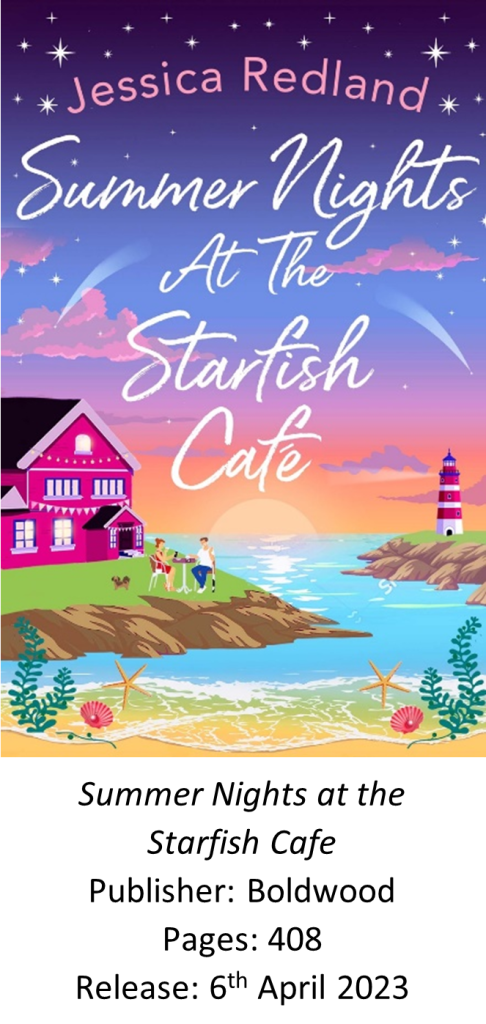
This is going to sound awful, but I don’t! I write four books a year so, by the time a book is published, I’m probably busy writing the next but one book so there’s not much time to pause! I’ve occasionally been out for lunch or tea with my husband and daughter, and I might do something special if I’m away at the time. When my April book – Summer Nights at The Starfish Café – was released, I was away in the Lake District researching for my July book – The Start of Something Wonderful. I visited Beatrix Potter’s home, Hill Top, which is run by the National Trust. It felt really special being in the home of such a beloved author on publication day.
I used to buy a charm for my Troll beads bracelet to celebrate my releases after a friend bought me a bracelet and charm for the publication of my debut novel. I’ve more than filled the bracelet now and am also running out of ideas for charms to represent my stories so I stopped doing that a while ago and didn’t replace it with anything.
Questions on Books and About You
Firstly, the most important question, what books are currently ‘on your bedside table’?
I occasionally read paperbacks but most of my reading is on my Kindle. I’ve recently read some fabulous books on my Kindle – Summer at Tuppenny Bridge by Sharon Booth, The French Chateau Dream by Julie Caplin, The Little Board Game Café by Jennifer Page and an ARC of New Dreams at Polkerran Point by Cass Grafton. I’m about to start an ARC of fellow-Boldwood author Sandy Barker – Match Me if You Can – which I’m excited about. I do have some paperbacks next to my bed on a little shelf but they’re all non-fiction – a couple of holiday guides and motivational books.
What children’s book would you suggest every adult read?
Oh wow, difficult question! I haven’t read many of the books we might consider to be ‘classic’ children’s reads and I feel my answer should probably be one of those. I’ll therefore go for a more popular fiction answer of The Faraway Tree series as every adult should have a bit of magic and enchantment in their life.
What does your writing space look like?
We never used our dining room for eating so I claimed it as my office last year. I have a desk in the corner facing a wall. The rest of the walls are, perhaps unsurprisingly, home to lots of book cases with a mixture of books and pretty things on them. I therefore don’t have a lot of wall space but most of what I have is covered in pictures which relate to my settings (e.g. seaside, hedgehogs) or motivational phrases. I have white fairy lights strung across my main shelving unit and have them on all year round (when it’s dark) as I love fairy lights.
How many books do you think you own?
Eek! Loads! Paperbacks – probably 400ish (had a massive clear-out recently). On my Kindle, probably about 700, most of which are still on my TBR pile! I’m not a very fast reader and acquire new ones way, way quicker than I get through them.
Who is your literary icon?
Enid Blyton. She turned me into a big reader and I’m eternally grateful. I loved The Faraway Tree series, Malory Towers and The Famous Five. She taught me what a page turner was.
If you could own one rare/1st edition copy of a book, which would it be?
Ooh, another tricky one! I don’t have an answer for this and, even if I did, I think I’d be too scared of damaging it to want to own it!
Is there an author who you always read?
I always buy Jill Mansell’s release on hardback each year as her books were my introduction to romance novels. I’ve also had the pleasure of meeting her and she’s so lovely. I have a devoted shelf for her, but I must admit I’m a bit behind reading them as it’s easier for me to pick up my Kindle. I should probably buy them on Kindle too. I’ve also read everything Sharon Booth has ever released. She’s my best friend and has recently secured a contract with Storm Publishing which I hope will bring her books to an even greater readership. She writes gorgeous warm community-based romances as well as a contemporary romance series where the main characters are witches, which is fabulous.
And finally, are there any plans for any new books? If so, what teasers can you give us?
The Start of Something Wonderful, out on 17th July, is the first book in a brand new series called ‘Escape to the Lakes’ and I’m writing the second one now, which will be out in January 2024. I have one more book out this year after that – Christmas at the Cat Café on 15th September. It’s a return to Castle Street in Whitsborough Bay and is all about Tabby Walsh who is meant to be opening a cat café with her boyfriend but things don’t go quite to plan. It’s a standalone book but there are cameos from other Castle Street business owners so a special treat for those who’ve read other books in that setting.
Thank you Jessica for your thorough answers 😊 I’m proud to say I’ve been working my way through your books and I’ll be keeping an eye out for your upcoming festive tales
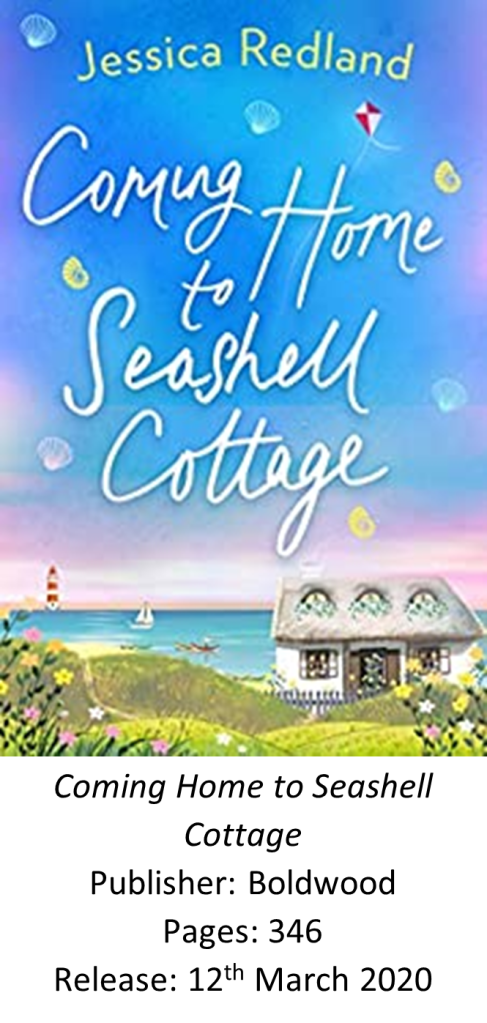
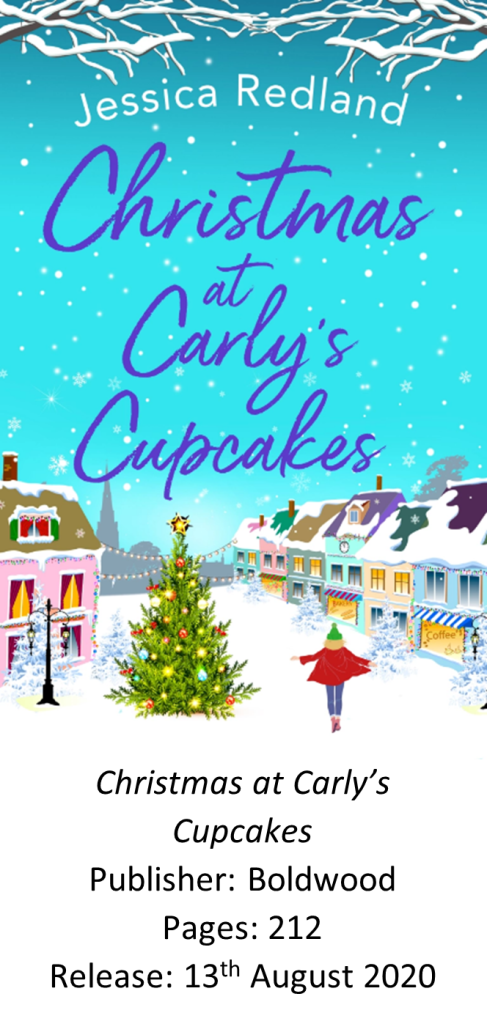
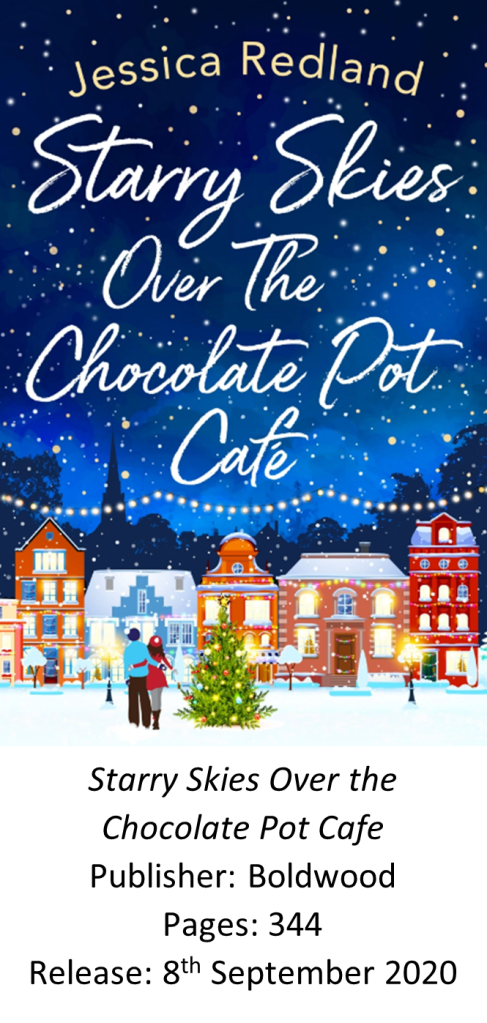
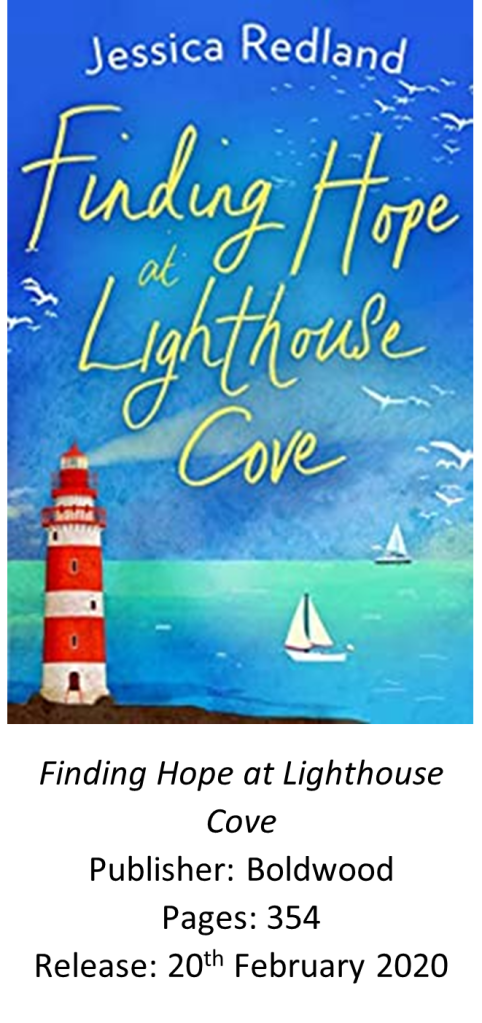
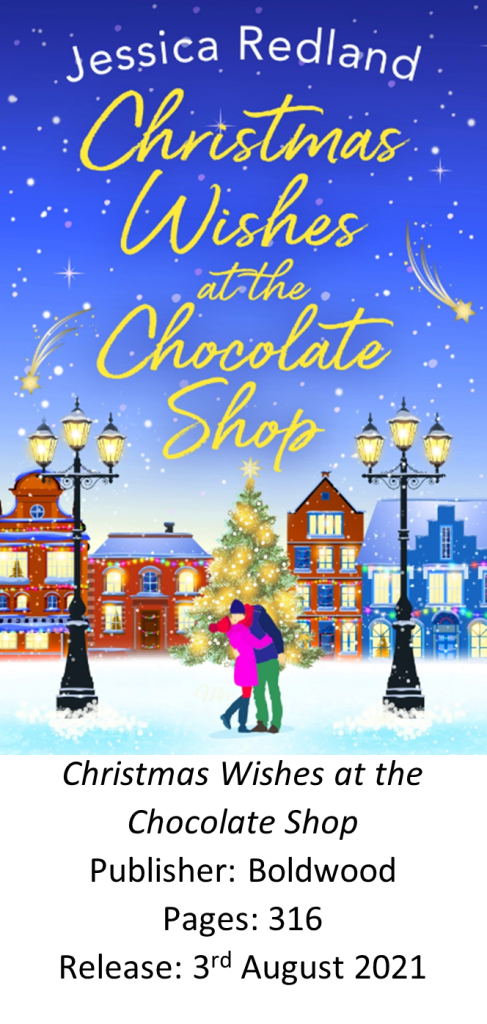
Jessica Redland’s Books







 Books By Your Bedside
Reblogged this on Jessica Redland Author and commented:
I was invited onto the Books by Your Bedside blog this week for an interview ahead of the publication of The Start of Something Wonderful, so thought I’d share the post here. I was asked some great questions 🙂
LikeLiked by 1 person
Thanks so much for inviting me to be a guest, and for your fabulous questions. I really enjoyed taking part and am so grateful for all those amazing links to my books – must have taken you ages to pull all of those together! Really appreciate your support for my writing x
LikeLiked by 1 person
Fabulous interview from a brilliant author. Thanks so much for the mentions, Jessica. Don’t all those covers look gorgeous together? x
LikeLike
Great interview. I loved the questions and Jessica’s answers. I love her books, she is an auto-read author for me.
LikeLike