I have bought and read the longlist for the Women’s Prize for Fiction for a number of years, but never the non-fiction, only picking one or two to read. So, much to the dismay of my bank account and mr towering TBR list, I thought I’d buy the non-fiction longlist and read that too!
Here are my thoughts and predictions.
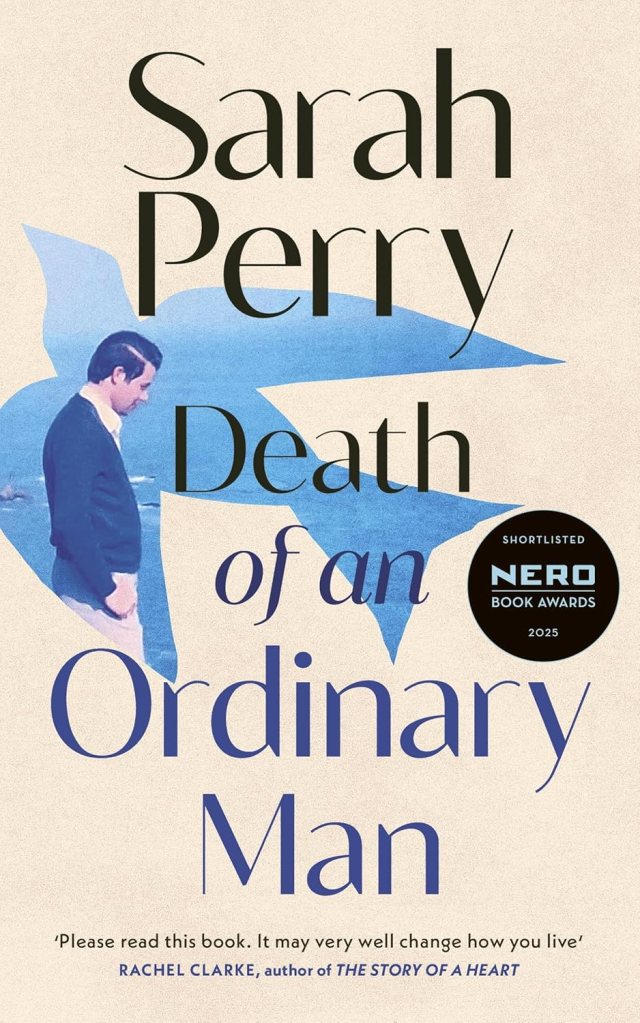
Death of an Ordinary Man by Sarah Perry
This book brought up so many feelings in me. The opening of this book was so beautiful for me. She talks about family holidays in Yarmouth; my paternal grandparents lived in Yarmouth and many summer holidays were spent there and so that brought back a lot of good memories. However, it was also difficult for me to read because the illness her father-in-law dies from is the same illness my father died from, and to see it written down in black and white was overwhelming at times. This is one of the best pieces of non-fiction I’ve read. It’s so raw and honest and it did make me cry. Yes it’s sad, but there’s also this sense of hope, even when things feel lost, she’s managed to make it feel so positive and hopeful, it’s just great.
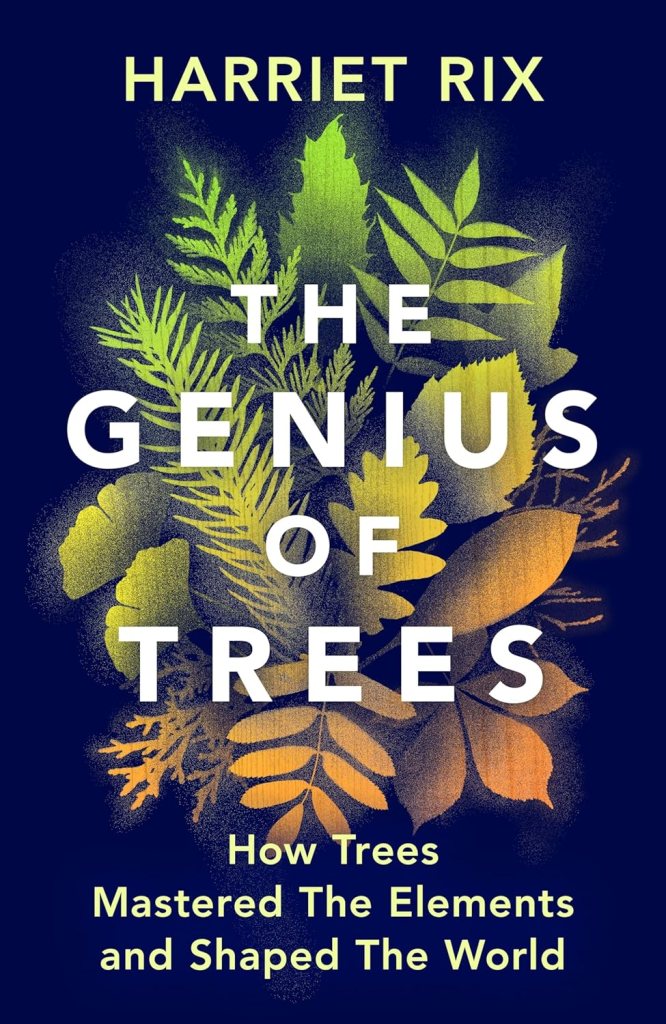
The Genius of Trees: How Trees Mastered the Elements and Shaped the World by Harriet Rix
Never did I think a book about trees would be so interesting. The chapters are a little longer than I’d have liked (I am a fan of short, snappy chapters), but I have noticed that non-fiction chapters do tend to be longer. I didn’t understand it all, granted, but I found it so fascinating. It’s so well written. I think this is her first book but it’s written as if her talent has been crafted over numerous other books. It is really remarkable. The passion she has for trees and the natural world is beautiful to read. I don’t think I’ll ever see a tree in the same way again.
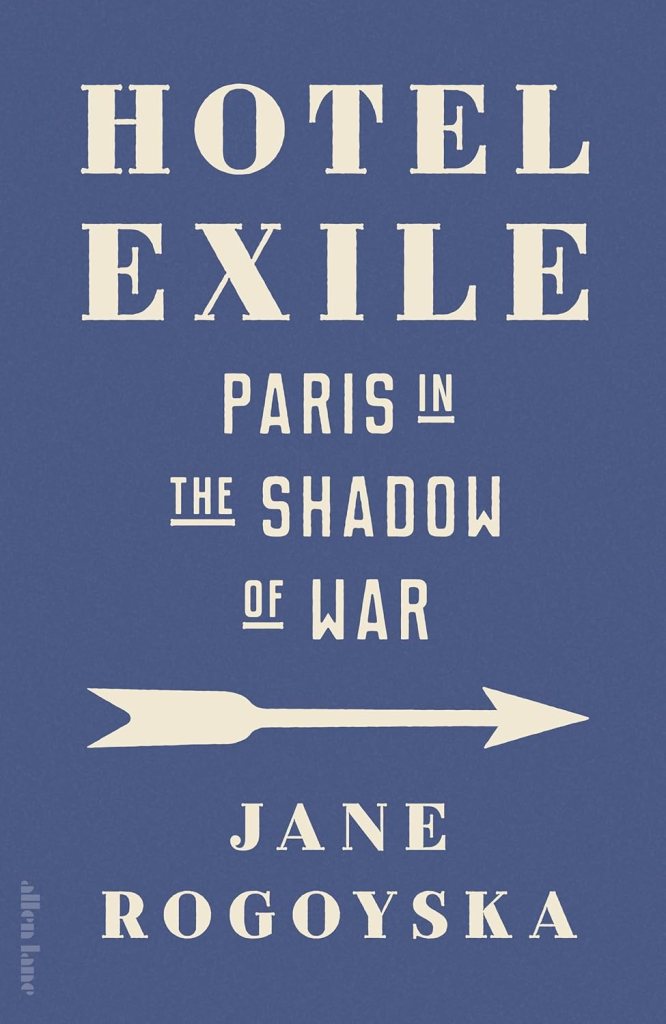
Hotel Exile: Paris in the Shadow of War by Jane Rogoyska
This was very surprising in how it’s written because it reads like a historical, thriller novel, very gripping. Non-fiction can be quite dry, especially when it’s about war, but this wasn’t. I know what is generally out there about WW2, but this was a side of it I hadn’t known about. Bizarrely there isn’t that much about the actual hotel, it’s more about the people. Which isn’t an issue because the people are very interesting. But given the title I expected more of a focus on the hotel itself. It’s not an easy book to read, obviously, given the subject matter, and it doesn’t matter how much you read about such atrocities, it’s still hard to read about. But overall it’s an interesting, easy-to-read, but occasionally a mildly confusing untold story.
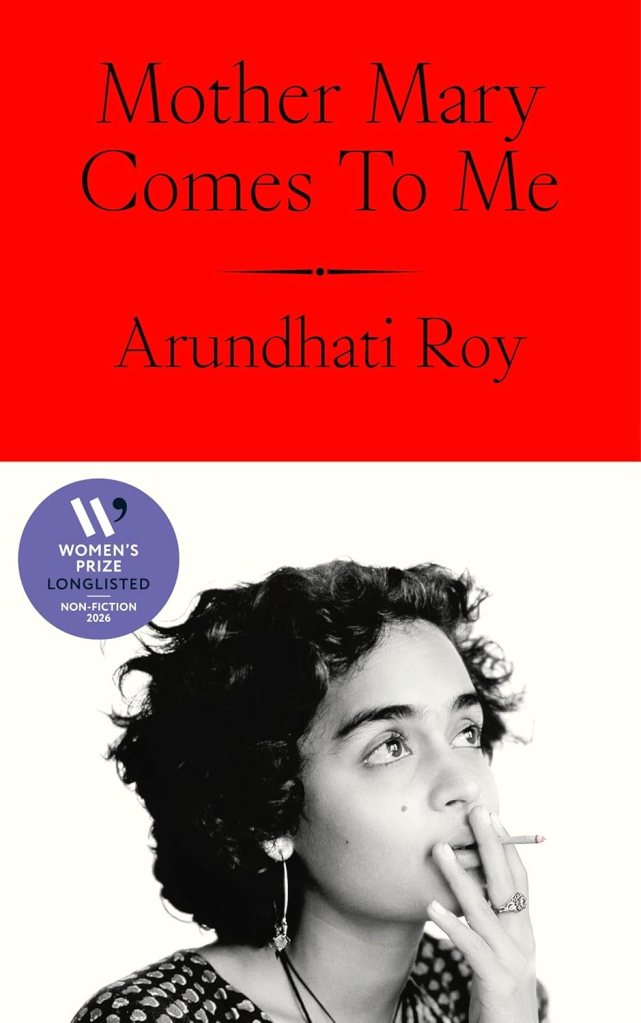
Mother Mary Comes To Me by Arundhati Roy
I already owned this before it was nominated but hadn’t read it; I also have a copy of The God of Small Things, but haven’t read that either. So I had no expectations going into this except for the fact I’d seen people talk about her writing as if it was the pinnacle of talent. And I do get it. It’s not the happiest of memoirs, in fact it is quite miserable, and there were bits I enjoyed more than others, there’s no denying her ability to put words on paper and make them sing. I think it’s impressive that someone can write a 350+ page book about a normal woman, not a celebrity, and still keep it absorbing. As a book, I preferred it the further into her life I got, the opening chapters are a bit haphazard. But there is power in this book, power of a mother, of a foreigner, of a woman, of a writer, the power of words, of stories, love, and forgiveness. It is a bit long and repetitive, and it felt more like a historical book than a memoir, but it is still a strong read.
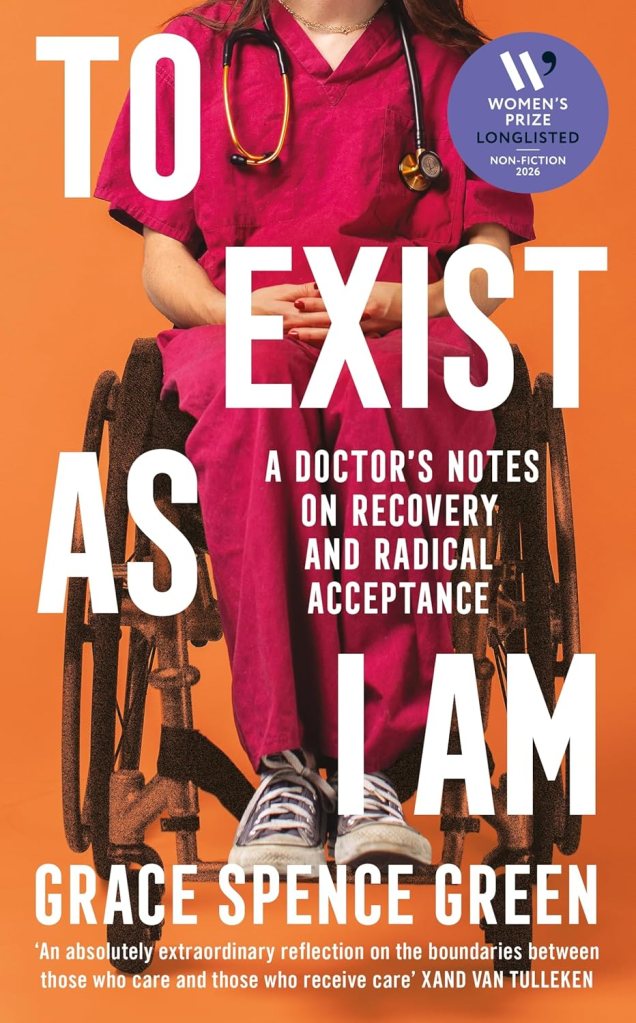
To Exist As I Am: A Doctor’s Notes on Recovery and Radical Acceptance by Grace Spence Green
Whether this makes the shortlist or not, this deserves to win everything. As well as it being a well written piece of work, as a relatively new ambulatory wheelchair user, this became so much more than just a book. It’s so powerful and I immediately felt a kinship with Grace. I could write a really long review here explaining how much I loved it, but actually I think it’s a book to be experienced for yourself as everyone will get something different from it. It is the easiest five stars I’ve given in a long time.
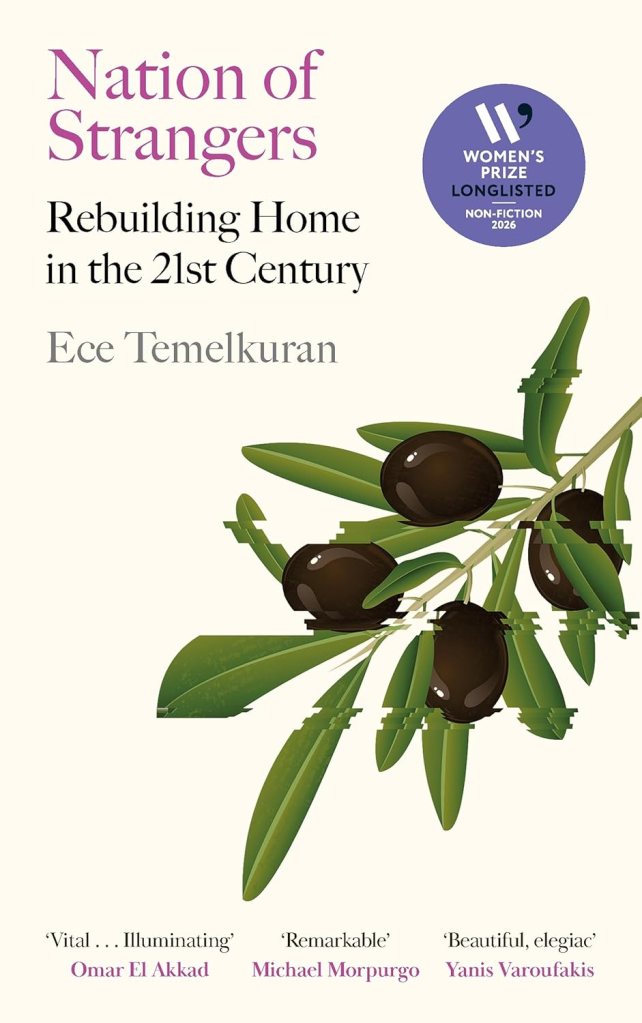
Nation of Strangers: Rebuilding Home in the 21st Century by Ece Temelkuran
This is such a timely book. This isn’t a political blog so I won’t express my own personal opinions on the topics she mentions, but I do think it’s a book that is so important for everyone to read. We see so many stories on the news about legal and illegal immigration but sadly they almost become a number and we forget they are real people. And in this book Ece has given us such an honest tale of her own plight and it makes you really connect with her story human-to-human. It’s not the easiest book to read given t he topics but it’s worth it. I would have liked it to be a bit longer because I enjoyed what was there so wanted more. Ece is Turkish and so I assume (but please contact me if I’m wrong) that English is not her first language, and yet her grasp of language in this book, she’s used it to pull at the heartstrings, to anger you, and impart wisdom, is so good.
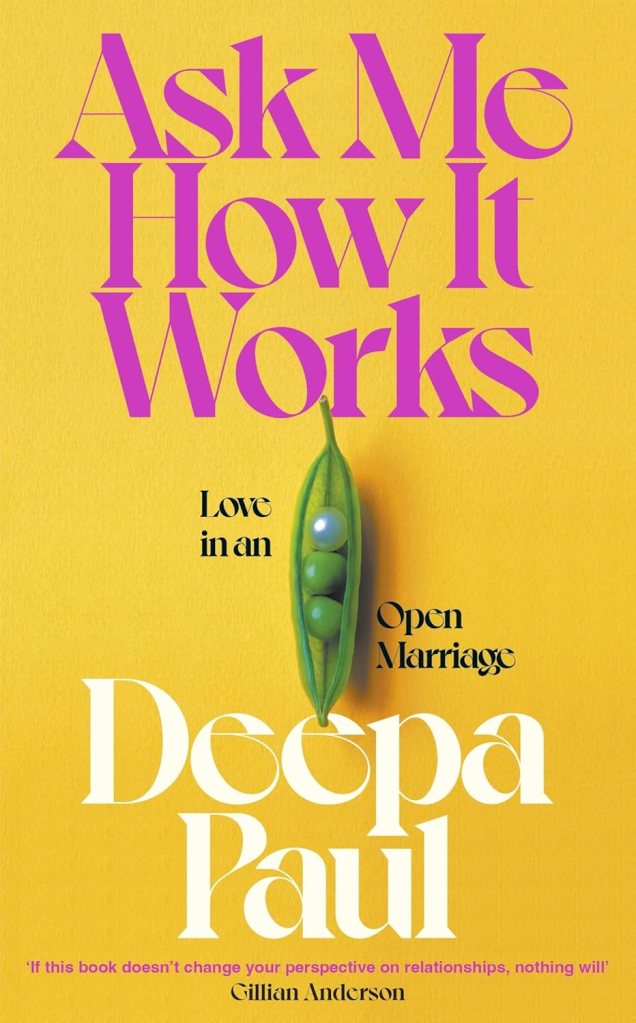
Ask Me How It Works: Love In An Open Marriage by Deepa Paul
I am on the fence about this. I think I enjoyed it. It was interesting and it was a side to relationships I hadn’t given much thought to. But no matter how much I might have liked it, the same question kept going through my head: why? Why do we need a book about someone’s sexual experiences? Who was this book for? What was the purpose? To inform or to shock or just because you can? I am used to books getting better as they go on but this was that rare thing where I felt it got worse. The first half or so was interesting and well written. But then it got very repetitive and she and her husband got very unlikeable. I’m nota prude and I’m not triggered by extreme things like domestic violence, but even so I didn’t enjoy reading them. They weren’t shocking in the way themes in a thriller might be. They were uncomfortable and made me not want to continue. But I did. And yeah…overall some interesting parts but I didn’t find it an overly pleasant or comfortable book to read.
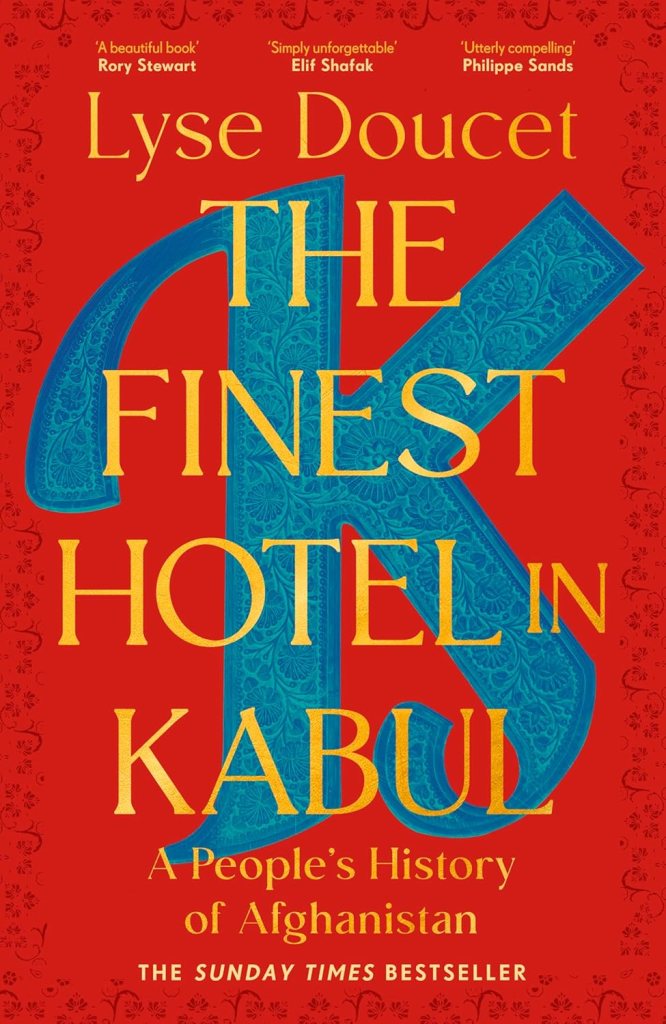
The Finest Hotel in Kabul: A People’s History of Afghanistan by Lyse Doucet
Afghanistan is not a country I know much about, outside of what we see on the news and that’s all very negative, so this was a real eye-opener on the country and I found it interesting. At nearly 500 pages it was a tad on the long side and I don’t like long books. Did it warrant it? I’m on the fence. I think it’s all interesting and I’m not sure what she could cut, but then again I did find it a bit drawn out. I thought it was an interesting idea to write an historical book based around a hotel but once I started reading it I realised it wasn’t about the hotel at all, not really, it’s about the everyday people caught up in a fearful situation. I had been debating about whether to buy this when it first came out but decided against it, thinking it wouldn’t be my kind of thing. So I’m glad it ended up on the Women’s Prize list because that gave me the push to buy it and as difficult as I found it at times, it was a very interesting, eye-opening, sad, morose but powerful story of a country buried beneath battle.
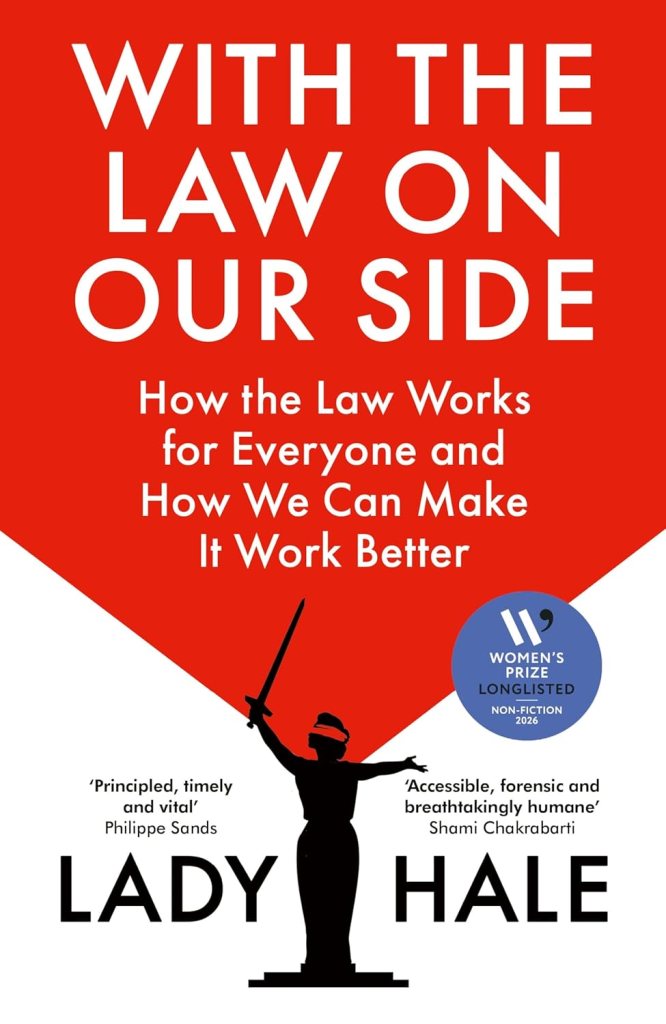
With the Law on Our Side: How the Law Works For Everyone and How We Can Make It Work Better by Lady Hale
If this hadn’t have been on the Women’s Prize Longlist, I wouldn’t have chosen to read it. I went into it assuming it was about the American justice system, I don’t know why, so it was a surprise to see it’s actually the UK. I didn’t understand it all, I admit, some of it did go over my head. It’s nothing spectacular, nothing new, and there’s not much substance. It’s almost a book that didn’t need to be a book. There wasn’t really a story so to speak, it felt like she was just writing facts without linking anything into one coherent piece.
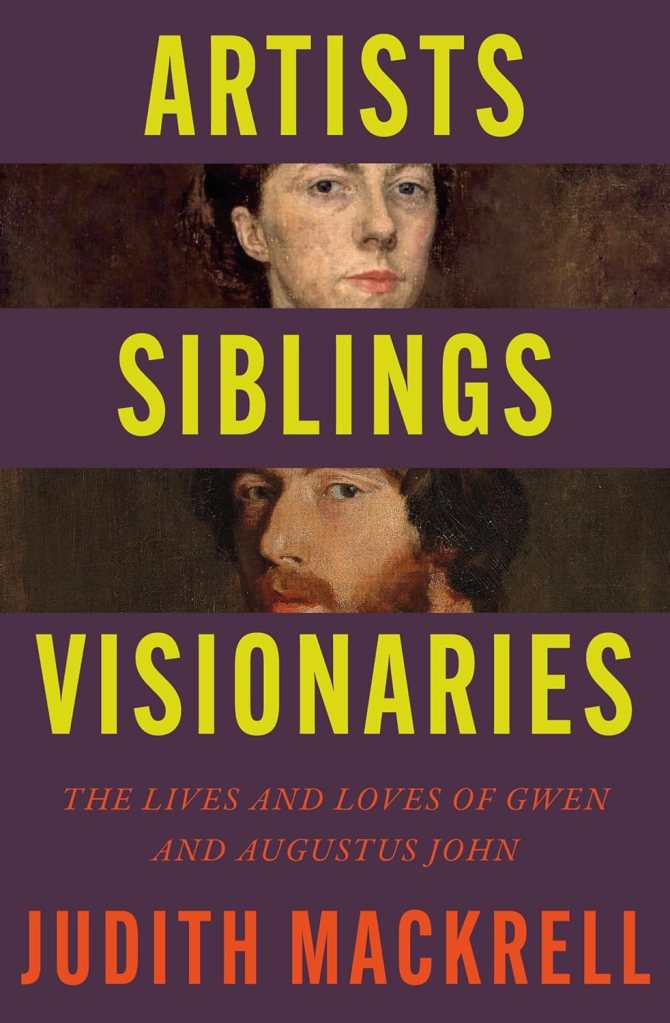
Artists, Siblings, Visionaries: The Lives and Loves of Gwen and Augustus John by Judith Mackrell
I was not aware of Gwen and Augustus John before this book so I was looking forward to finding out more about them. Prior to reading it, I thought these were artists from the 1700-1800s, not ones that died in the mid 20th Century. I don’t know Judith’s background but I assume she has experience in art, but either way this is phenomenally researched. At times it felt like there was too much information, which I know sounds weird in a biography but there was a lot to take in. It is a long book, and I think possibly too long, especially for the reader to keep adequate focus. It’s done what a biography should do which is pique my interest to find out more. It’s an engaging piece of writing but I can’t say I liked the siblings. Her a bit more, but felt very unlikeable, and I felt it was overbalanced in his favour and I’d have wished a bit more about her. But overall it was fresh and interesting, well researched and well written, just a tad too long with a slightly waning focus.
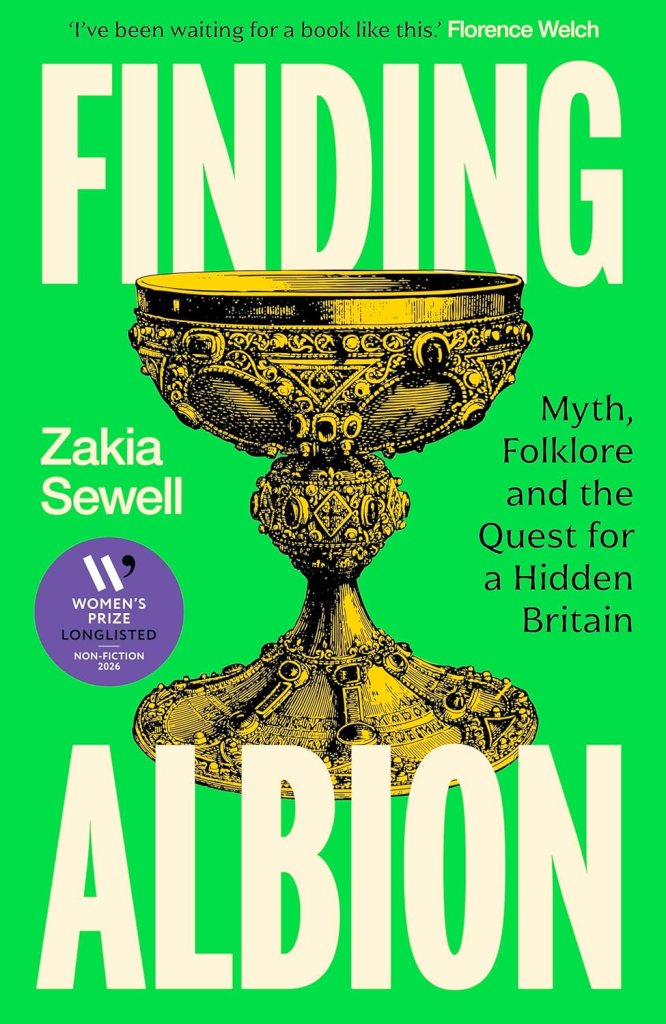
Finding Albion: Myth, Folklore, and the Quest For a Hidden Britain by Zakia Sewell
I found this endlessly fascinating and it was enjoying to read. I was worried it would be too “intelligent” for me, as I don’t really want to have to work to enjoy a book. But this was instantly accessible. I did have a few niggles with it though. It didn’t flow well for me; I understand the order she’s put it in, but at times they felt a bit random which meant each section felt separate. The chapters are also a little long for my liking but I find non-fiction chapters tend to be longer. I like how honest she’s been. Also, I felt at times that Zakia didn’t really know what angle she was going for, or what she was hoping to discover, so it did get a bit lost at times. She hasn’t sugar-coated anything, or hidden the less savoury elements of British history and I think that’s powerful.
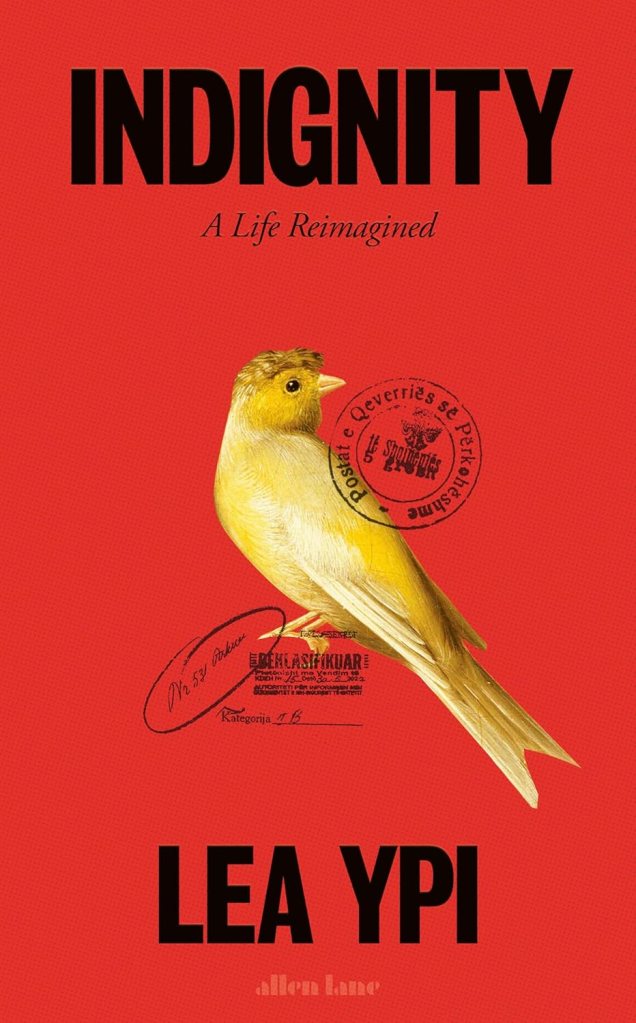
Indignity: A Life Reimagined by Lea Ypi
This is very weird. It’s non-fiction yes, that’s why it’s nominated as non-fiction, but it’s also a novel with characters, so it was a bit confusing. It had reasonably long chapters but it reads quite easily and it flew by. It is a bit messy, she goes to and fro and here and everywhere so it doesn’t really have much of a straight narrative, but once you’re on board with that then it’s fine. There are a lot of characters, and whilst there is a character guide at the start, I did find it confusing as to who was who. This is going to sound contradictory but it was simultaneously easy to read and flew by, but it was also confusing and haphazard and I did stumble over it a few times. I do wonder if it would have been clearer if she’d settled on non-fiction or fiction. Overall it’s an interesting story, once I knew nothing about, but enjoyable. It’s not always happy but I would definitely recommend it for historical fans.
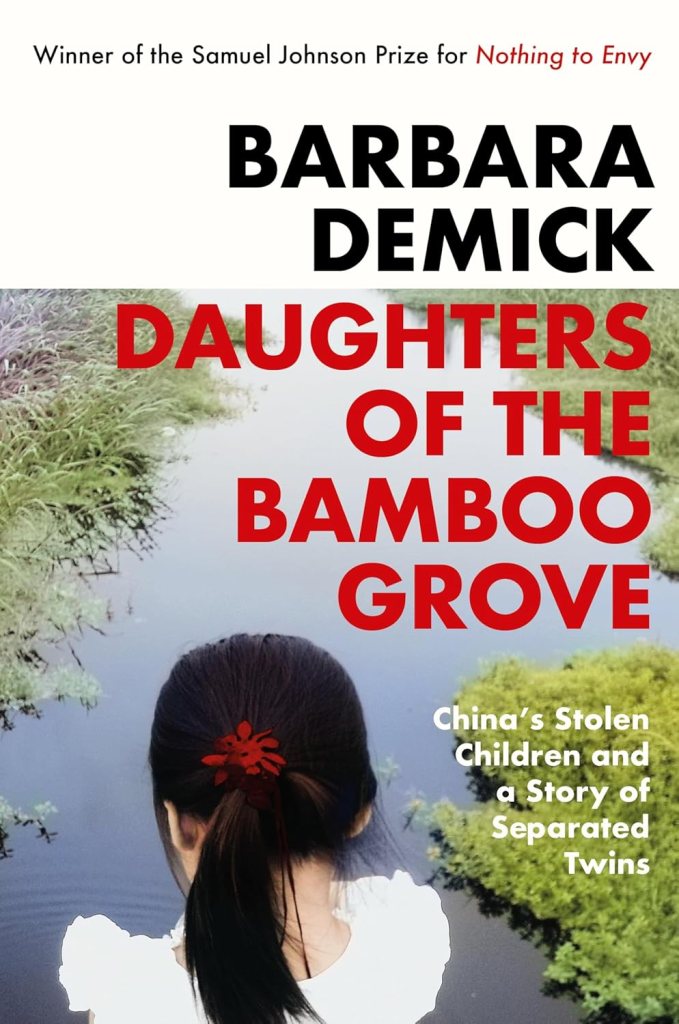
Daughters of the Bamboo Grove: China’s Stolen Children and a Story of Separated Twins by Barbara Demick
WHAT A BOOK. It’s not always a nice book to read but it is so vitally important and a masterful piece of writing. I did have to pause reading it now and again because I found it so heartbreaking. You can tell what this story means to her. It’s not just another journalism assignment, even if it might have started that way. This is her love and passion and that seeps through every line. I found it a tad long but I don’t really care about that.
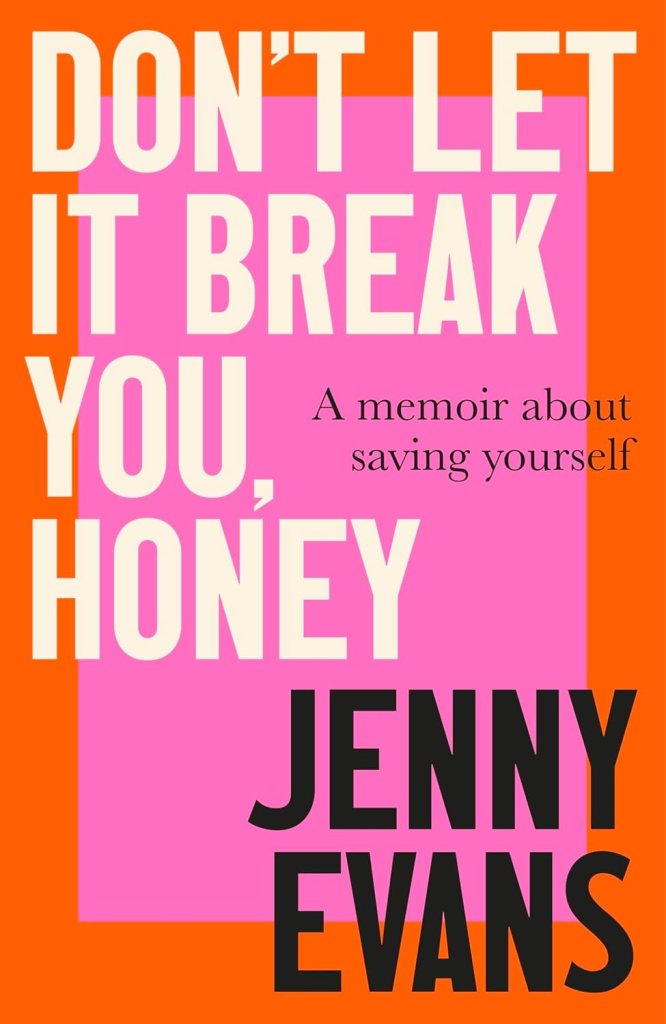
Don’t Let It Break You, Honey: A Memoir About Saving Yourself by Jenny Evans
I loved the homage to Gisele Pelicot’s book in the author’s note, a woman whose book I have recently read. So important are both books. I wasn’t sure what to expect from this, but I wasn’t expecting a full-on memoir, I thought it would be “just” about the thing. But in hindsight, it really did add a bit of gravitas to the whole story to come by learning about her younger years. The grief she went through as a child and as a young adult, as well as the thing is so moving. I read it in a matter of hours. If you have read books like Gisele’s recently you’ll know it was very explicit. Jenny hasn’t done that here. She’s not told us every explicit detail, nor has she hidden it away. This is more than just about her experience. It exposed the whole journalism industry and it is not pretty.
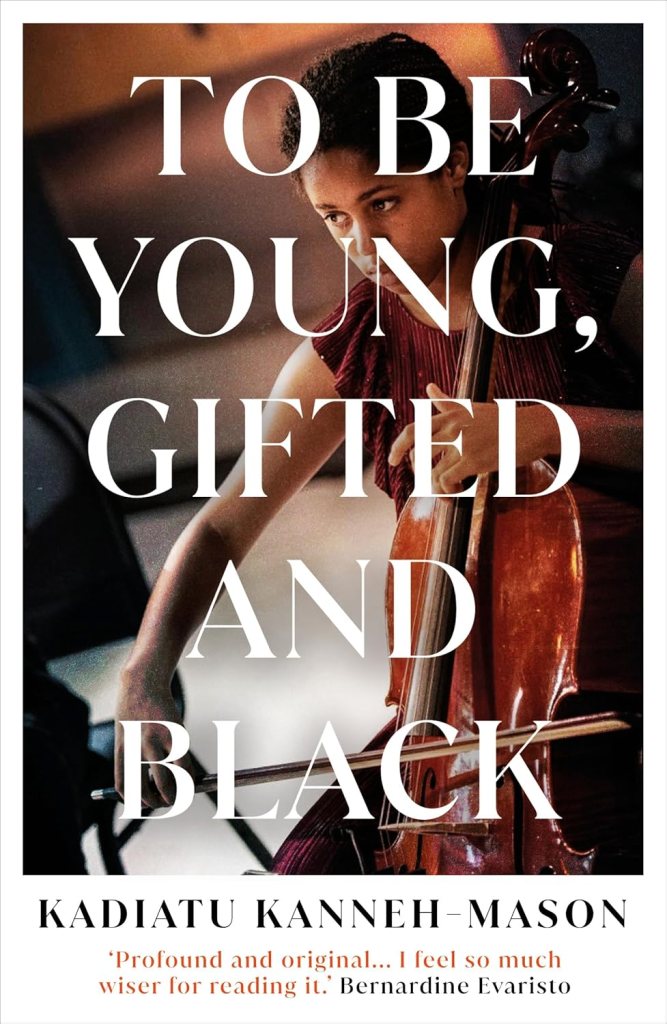
To Be Young, Gifted, and Black by Kadiatu Kanneh-Mason
Like a lot of people, I cam to know the Kanneh-Mason family through the royal wedding and if I’m honest, I haven’t given them much thought since then. But I am a classical music fan and I have listened to numerous songs by them and the talent in the family is wonderful, and their music just makes me feel happy. As a white woman, I cannot pretend to know how race and racism can affect an upbringing, a career, a life, and so I found that element interesting. And so whilst I admit it wouldn’t have been a book I’d have picked myself, I am pleased I did because I found it interesting and enjoyable.
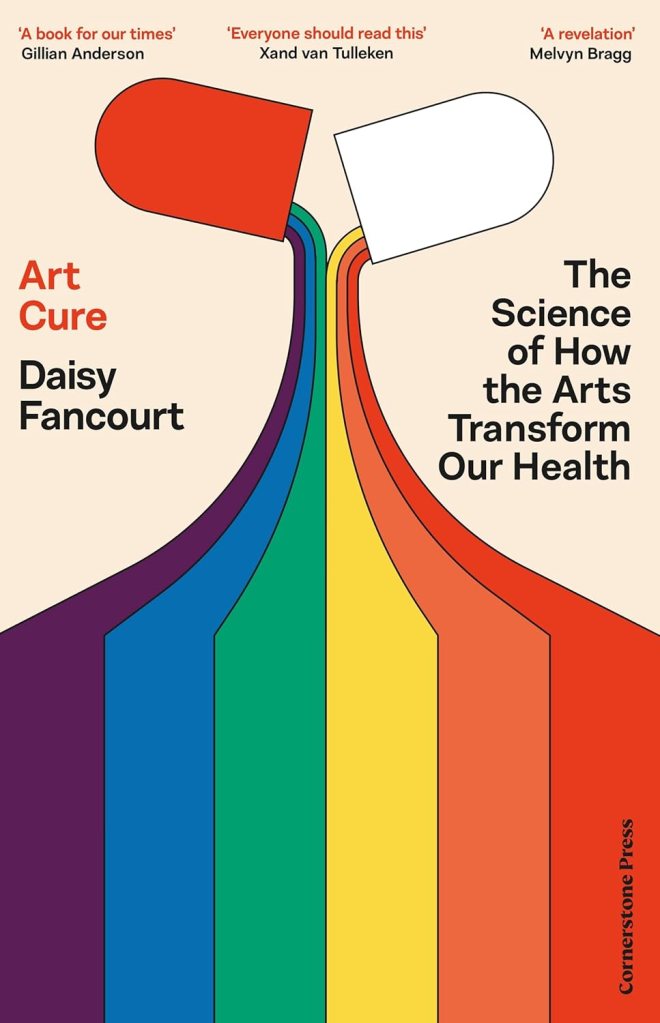
Art Cure: The Science of How the Arts Transform Our Health by Daisy Fancourt
This book is very heavy on the technical, which wasn’t necessarily a surprise but I give it as a warning. It’s a very good book and a very important book. I’ve always thought the arts should be considered as important as the sciences, for example. And Daisy has done a fair job at “dumbing down” the scientific explanations for the average reader, but I did find myself tuning out at times when there was a heavy section of stats, but that’s felt very academic that weren’t altogether ready friendly. I was going through a period of bad mental health at the time and so this book, particularly the section about arts and mental health, were of great interest. A highly interesting book, a good read. I’d definitely recommend, regardless of your creativity levels.
Shortlist
– The Finest Hotel in Kabul: A People’s History of Afghanistan by Lyse Doucet
– Art Cure: The Science of How the Arts Transform Our Health by Daisy Fancourt
– Artists, Siblings, Visionaries: The Lives and Loves of Gwen and Augustus John by Judith Mackrell
– Hotel Exile: Paris in the Shadow of War by Jane Rogoyska
– Mother Mary Comes to Me by Arundhati Roy
– Nation of Strangers: Rebuilding Home in the 21st Century by Ece Temelkuran
My Thoughts
My favourite books from the longlist were Death of an Ordinary Man; To Exist As I Am; and Daughters of the Bamboo Grove, none of which made it to the shortlist surprisingly. Out of the six that were named, I think The Finest Hotel in Kabul will win, because of how timely it is. And whilst it wasn’t my favourite, I think it is well researched and well written, but it just lacked a little focus for me.
 Books By Your Bedside