If you read a lot of thrillers (like I do), you’ve probably come across the term “unreliable narrator”. It’s one of those phrases that gets thrown around quite a lot in book reviews and blurbs, but what does it actually mean? And perhaps more importantly, why do we enjoy them so much?
Let’s start with the basics…
What Is An Unreliable Narrator?
In literature, an unreliable narrator is simply a narrator whose version of events cannot be completely trusted. Usually this happens in first-person narratives, where we’re seeing everything through one character’s perspective. The problem with that of course, is that people aren’t always objective observes. Their memories might be flawed, their understanding incomplete, or sometimes they might even be lying on purpose. Their credibility might be compromised because they’re:
- Deliberately misleading the reader
- Too naïve or inexperienced to fully understand events
- Influenced by emotion
- Too biased
- Struggling with mental health issues or distorted memories
Whatever the reason might be, it means that the story we’re reading might not actually be the full truth. And that’s where things start to get interesting.
Famous Examples of Unreliable Narrators
Once you start looking for them, unreliable narrators can be found everywhere. Some famous examples include:
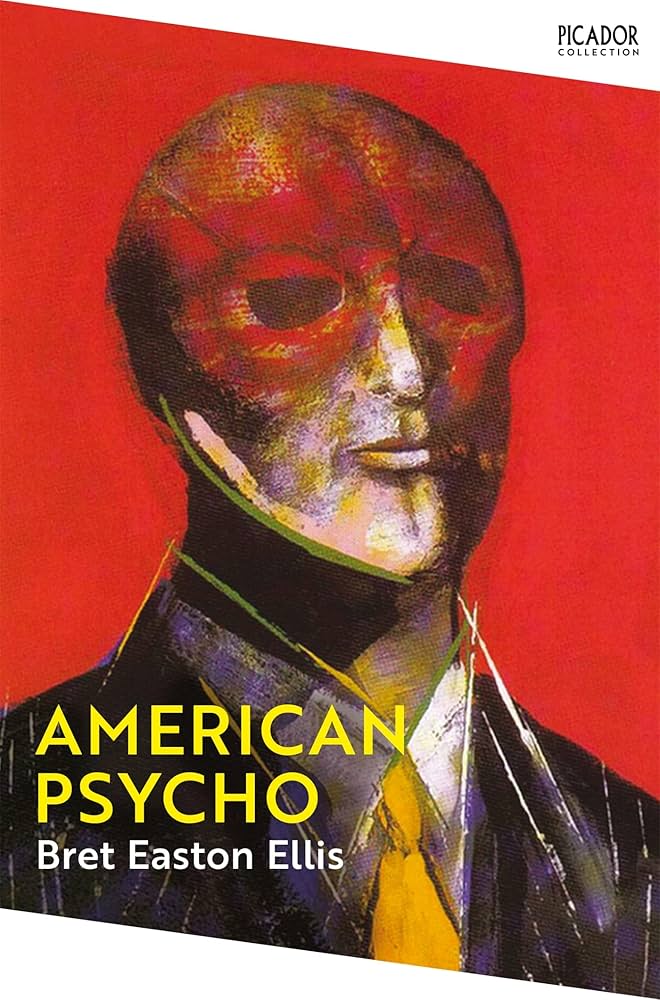
- Patrick Bateman in American Psycho, whose perception of reality is heavily influenced by his mental state.
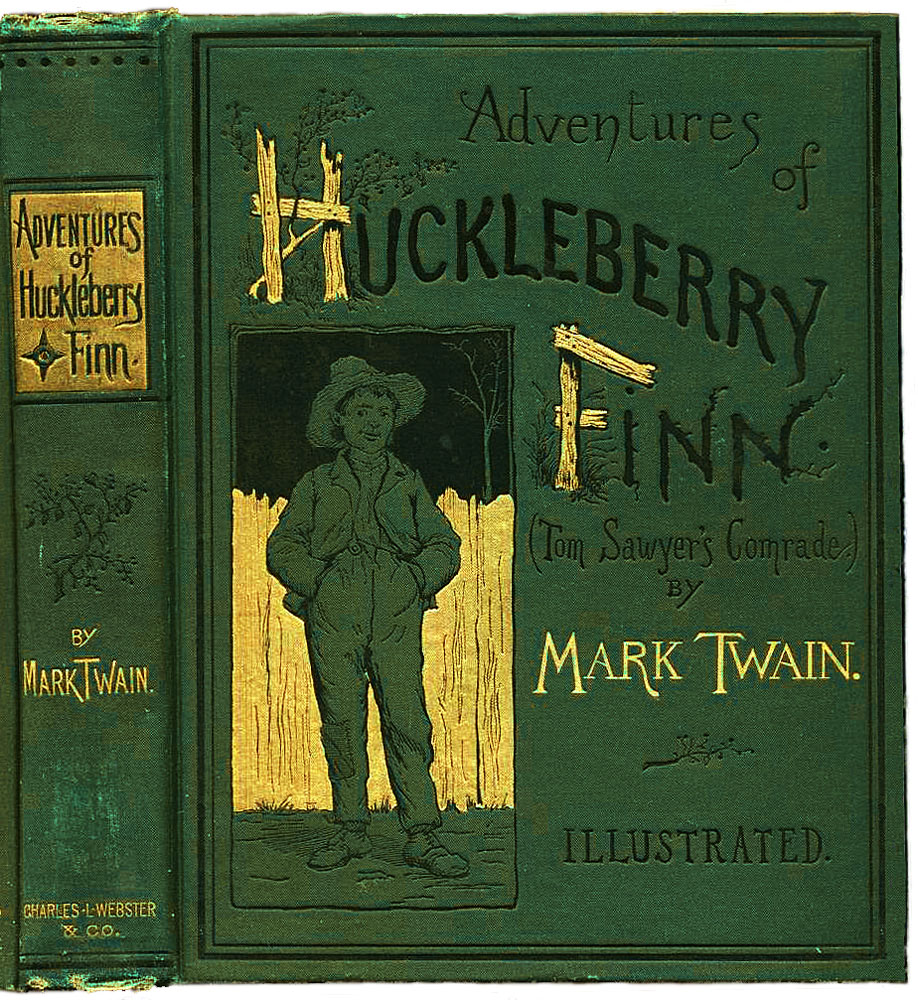
- Huckleberry Finn in The Adventures of Huckleberry Finn, whose youth and limited understanding of the world shapes how he interprets events.
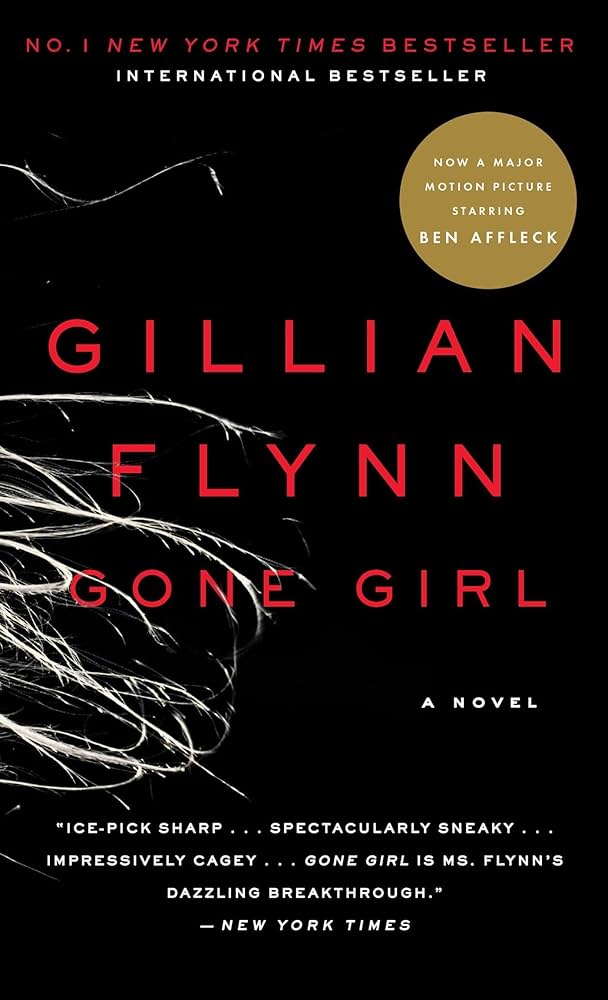
- Amy Dunne in Gone Girl actively manipulates the narrative to hide her own actions and guilt.
Each of these characters show us a version of the story that may or may not be accurate, and it is that uncertainty which keeps readers hooked.
Why Do Readers Love Unreliable Narrators?
Part of the fascination with unreliable narrators comes from how human they feel.
Humans are messy; our memories are selective, we can be biased, and sometimes we tell ourselves our own stories to make sense of everything going on. Unreliable narrators reflect that complexity and confusion, making them feel far more realistic than a perfectly objective storyteller.
But that’s not all.
They can turn the passive act of reading into an active puzzle.
When reading, you tend to follow the story, absorb the plot, and let the author and narrator guide you along. But when that narrator can’t be trusted, everything changes. Suddenly you have to analyse every little detail. You start asking questions like:
- Did that actually happen?
- Are they concealing something?
- Are we being deliberately misled?
- Can I trust you?
The Joy of the “A-Ha” Moment
There is something incredibly satisfying about the moment when the truth finally clicks into place. The moment the truth is revealed, the narrator’s lies unravel, and suddenly everything you’ve read before looks completely different. And it’s even better if you worked it out first!
Humans love being right, and there is a very real sense of victory when you realise you’ve pieced the puzzle together before the big reveal. It feels like you’ve outsmarted the character and the author.
Please note here that regardless of how many thrillers I read, I rarely, rarely, rarely, work out what’s happened before the characters.
How to Spot an Unreliable Narrator
Sometimes the clues are obvious, and other times they’re incredibly subtle. But there are a few common signs that show a narrator might not be entirely trustworthy:
- Their actions contradict what they say and claim to believe
- Details don’t quite match up with earlier events
- They make contradictory statements throughout the book
- Other characters react differently to events than the narrator describes
And occasionally, there are no signs at all. Sometimes it just comes down to instinct, that slight feeling that something about the story isn’t quite right.
What Do Unreliable Narrators Add to a Story?
Unreliable narrators traditionally show up in thrillers, including psychological thrillers and even gothic fiction, and it’s easy to see why; they add layers to a story that wouldn’t otherwise exist. Authors often use them to:
- Explore complicated human psychology
- Withhold key information from the reader
- Force readers to read between the lines
- Deliver shocking twists
- Show how bias, memory, and emotion can shape someone’s version of events
In short, unreliable narrators make stories far more interactive, and often far more surprising.
My Favourite Books With Unreliable Narrators
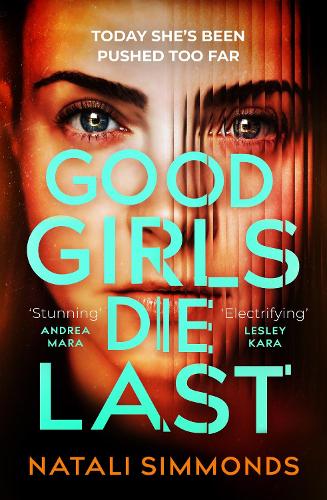
Whenever I think of unreliable narrators, my mind immediately jumps to the wonder that is Natali Simmonds. I absolutely love her books and, if I could, I would happily press a copy into everyone’s hands and insist they read it immediately.
Her protagonists are some of the best unreliable narrators I’ve come across. I won’t go into too much detail because I don’t want to spoil anything, but having read four of her thrillers now, I am still shocked by the reveals. Her characters are never quite what you expect, and the twists always catch me off guard – in the best possible way.
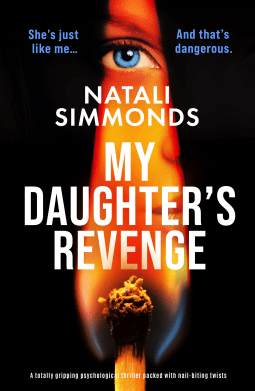
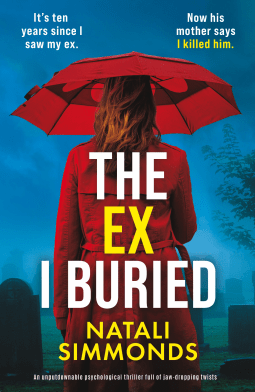
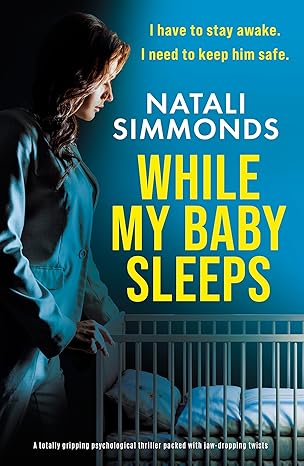
Other books featuring unreliable narrators that I’ve enjoyed include:
- The Dinner Party by Viola van de Sandt
- Julie Tudor Is Not a Psychopath; and Mr and Mrs Dixon Hide a Body by Jennifer Holdich
- Before I Go To Sleep by S.J Watson
- Yellowface by R.F Kuang
- None of This Is True by Lisa Jewell
- Atonement by Ian McEwan
- Beautiful Ugly; My Husband’s Wife; and basically anything by Alice Feeney
Final Thoughts
Unreliable narrators remind us that stories – much like people – are rarely straightforward. They challenge us to question what we’re being told, to look more closely at the details, and to read between the lines. Instead of simply following a story, we become a part of it, trying to untangle truth from lies. And that’s why they’re so compelling.
Because when the narrator can’t be trusted, every page becomes a little bit more intriguing, and every twist feels that much more satisfying.
 Books By Your Bedside
The first unreliable narrator book I read was Agatha Christie’s masterpiece. I will not share the title here, because going into the story knowing that you have an unreliable narrator will largely spoil the ending. Suffice to say, I actually gasped out loud the first time I read it!
LikeLiked by 1 person