Published By: Canongate
Pages: 160
Released On: 11/09/2025
Letters have been here all along, quietly influencing countless people in profound ways. They encourage, they bring happiness, while to some they even provide the will to keep on living.
Geulwoll is a Korean word for ‘letter’. It is also the name of a small, unassuming letter shop, located on the third floor of a shabby building in the bustling heart of Seoul. People visit from all over to write and send letters to loved ones – and to strangers.
Everyone likes letters. One of their charms is that we can’t see what’s inside right away: there’s an anticipation in unsealing the mysteries held within.
In The Healing Power of Korean Letter Writing, Juhee Mun reveals the lost art of the handwritten letter: how it can ground and centre us, improve and repair our relationships with others and foster a culture of contemplation, reflection and togetherness.
This book is not about rules or right answers for writing letters. It is about embracing the power of what happens when you choose to carve out the time to write them.
*****
Thanks to NetGalley and Canongate for the advanced copy of this title in return for an honest review.
I admit this will be a shorter review than I normally write, because there just wasn’t that much to comment on for me.
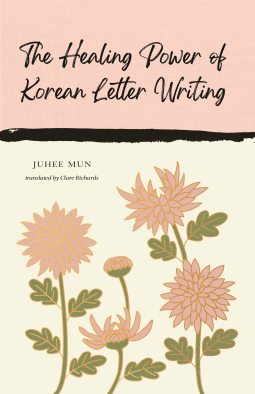
This had a beautiful cover and an eye-catching title.
I love letter writing; when I was at University, I think I was the only student who spent one day a week writing letters to relatives, and it was such a lovely thing to do, and it’s still a reason why I write Christmas cards, even though that seems t have died the death nowadays.
It is a very short book with very short chapters, which I think works, because whilst it’s an enjoyable book, there isn’t enough meat there to warrant a longer read.
I’ll be honest, I’m surprise it is a topic that got published. Don’t get me wrong, I liked it and I know other people will too, but the idea of pitching a book about writing letters doesn’t immediately scream success to me.
I think I misjudged what this book was about. I thought it was going to specifically be about Korean letter writing as if it were an art, but it’s more like a “how to write a letter” guide, which was a bit odd.
A perfectly acceptable little book; it’s strengths lie in it’s short length as I don’t think it has much depth. It seems a bizarre thing to publish and if I’m honest, bar something to pass the time for an hour, I’m not really sure I got anything from it.
 Books By Your Bedside