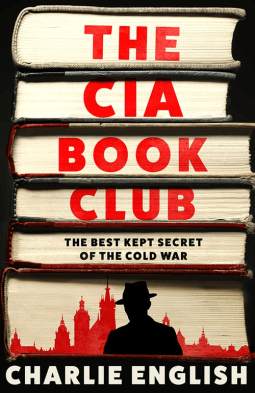
Published By: William Collins
Pages: 384
Released On: 13/03/2025
From copies of Orwell to Agatha Christie, the Western effort was to undermine the censorship of the Soviet bloc, offer different visions of thought and culture to the people, and build relationships with real readers in the East.
Historian Charlie English follows the characters of the era, with Bucharest-born George Minden at the narrative’s heart. Tasked with masterminding the effort, Minden understood both sides of the story: he was opposed to the intellectual straightjacket created by the communist system, but he also resented the Americans’ patronising tone – the people weren’t fooled by what their puppet governments were saying, but they did need culture, diversity of thought, entertainment, art, reassurance and solidarity. This is how the perilous mission to bring books as beacons of hope played out, told in riveting detail.
*****
Thank you NetGalley and William Collins for the advanced copy of this title in return for an honest review.
There are a lot of books about a lot of wars and I have read some of them, but it was nice to read one looking at war from a different angle to the traditional fighting. I knew about book banning and book burning by the Nazis in WW2, but my knowledge of the Cold War and what happened is very limited, and I’d not heard about this censoring and smuggling of books, which was interesting and really whetted my appetite to learn more about it.
I will never understand the logic behind banning or censoring books. If you want a sure-fire way of people wanting to read a book, then ban it. Books you may not have usually read due to genre or topic etc, automatically become more attractive if you’re told you can’t have it. The more people ban books, the more inviting those books appear, and the more likely it is that people will want to read it.
It shouldn’t come as a surprise to know that this is a hard read. Not in terms of it being badly written. But the subject matter, as you can imagine, is tough to swallow at times. It’s intense and uncomfortable but important.
There are some photos in it too which I appreciated. I won’t say they always show nice things, but they really helped bring the story to life.
I don’t know Charlie’s background, but even if he does have experience with the CIA or books or book censorship, this must still have required an immense amount of research, and that helps make the reading of it all that stronger as it feels like you’re living it.
Some non-fiction books can be long-winded, very dry, and difficult to get to, making a 300 page book feel three times as long. But this one didn’t This throws you straight in and it really does fly by. The writing and the topic holds your interest, and it’s just like a novel in the way that you just have to see what happens next.
It’s gripping and interesting. Some of it drier than others, and some bits fast paced like a war-time thriller. It’s an impressive story of hope and resilience and believing in the truth, as well as the power of words, stories, and of a voice.
 Books By Your Bedside