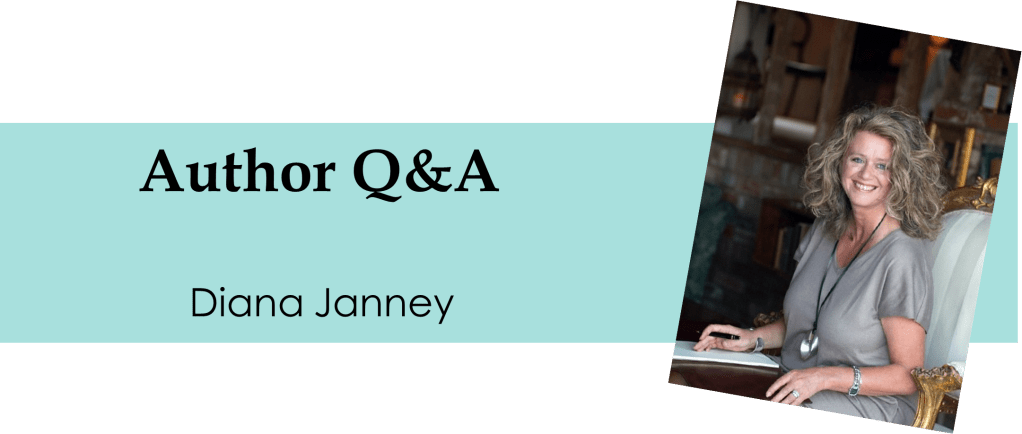
I grew up in the countryside and have spent most of my adult life in London, where I met and married my husband. We met when we were both lawyers at a large international law firm in the City. I then transferred to the Bar and practised as a barrister before turning to writing full time.
Now my husband and I spend our time between London and the countryside. When I’m not writing, I enjoy playing the violin with my husband who plays the piano. I like to play chess, which my late father taught me when I was four, I enjoy table tennis and have won several table tennis tournaments, and I have a huge interest in Philosophy, which I developed during my degrees at University College, London. Appreciation of the arts and aesthetics is very important to me, as is the study of ethics.
Writing has been a large part of my life since childhood, when my first poems were published in the school magazine. At about that time, my parents bought me a paperback book with a place on the front cover for me to add the title and my name as the author. It didn’t take me long to fill it! My aim in writing is to give enjoyment to readers, to create fascinating characters whom people would love to meet, to encourage readers to reflect on ideas that they may not have considered or have considered but may view differently after reading my novels.
Meet Diana Janney
Questions on Writing
What was the hardest bit about writing A Man of Understanding?
There are parts of the novel that are extremely moving – many who have read it have been moved to tears – and this is only achievable if the author has also felt that way when writing it. Also, as I love all the very different characters in A Man of Understanding, I missed them when I finished writing it. It was hard to say goodbye to them.
What have you learned about yourself when writing?
That’s a very interesting question. I’ve learnt that my handwriting is often a great indication of how I’m feeling about what I’m writing. I’ve learnt that of all my varied careers, it is writing that “moves me, shakes my soul” as poet-philosopher Horatio Hennessy in A Man of Understanding describes what’s important in life. I’ve learnt that I can go longer than I’d thought without thinking of food! I’ve learnt what matters most to me, what I feel I need to express through my books: how to overcome grief, loss in an uplifting way that does justice to those who have been loved and lost; the importance of making accessible the fascinating subject of Philosophy; how much poetry matters to me as an immediate, intense, engaging, thought-provoking means of expression; how very important the development of the soul, love and family are to me.
Do you make yourself write everyday/regularly, or only when inspiration strikes?
I am very disciplined in my writing, perhaps through my background as a Philosophy postgraduate and then a lawyer before being a published novelist. The act of writing seems always to inspire me to carry on – sometimes it’s hard for me to stop and I discover it is late into the evening (as my husband sometimes points out!)
What does literary success look like to you?
I was so proud when A Man of Understanding was the Runner-Up in the People’s Book Prize – Fiction – 2023. It was an honour to do so well in such a prestigious Prize of which Frederick Forsyth is Patron Emeritus. I have also been moved by the wonderful reviews the novel has received. It doesn’t get much better than “should be classed as a modern literary classic” and “one of the most beautifully written books I’ve ever read”. It was also a huge honour when the film rights were bought to one of my novels.
What is it about poetry in fiction that you like so much? And what do you hope readers will get out of it?
In my fiction, the reader already understands much about the emotions and experiences of the characters that have led to their creating poetry, which adds another dimension to the poetry for the reader. The poems express the characters’ pain, their joy, their search for answers to questions on which they are reflecting in the novel, such as whether it is wrong to love someone too much, or what Horatio describes as the aftertaste that we experience, both in the arts and in relation to life itself. The story in A Man of Understanding encourages readers to explore different artforms such as poetry as a way of expressing themselves, especially relevant in times of loss and suffering.
What was it that inspired you to write this particular book?
My inspiration was drawn from different experiences: I’ve spent a lot of time in the mountainous North of Mallorca, where the novel is set. Its beauty and connection with the arts fitted perfectly with the theme of the importance of the arts for the healing process and development of the soul ; my background as a postgraduate in Philosophy always plays a part in my novels – in A Man of Understanding, poet-philosopher Horatio Hennessy helps his recently orphaned grandson Blue to overcome his loss and to break down communication barriers between them through poetry, which has proved a very popular theme in my writing, and through teaching him about philosophers such as Aristotle, whose philosophy I find inspirational. A strong motivation behind all my novels is to give readers thought-provoking themes to reflect on, and interesting characters to get to know.
How did you celebrate when your book was published?
For each of my three published novels so far, as well as published foreign translations, there has been a fantastic book launch event. For A Man of Understanding, my latest novel, there was a champagne launch at Waterstone’s in the King’s Road, Chelsea. I read from the novel and talked about it to a lovely audience (see a video clip of the event at http://www.dianajanney.com)
Questions on Books and About You
Firstly, the most important question, what books are currently ‘on your bedside table’?
The Island of Missing Trees, by Elif Shafak, The Book of Beginnings, by Sally Page, and The Greatest Thing in the World, by Henry Drummond.
What children’s book would you suggest every adult read?
It has to be The Little Prince, by Antoine de Saint-Exupery. It is philosophical, compelling, moving, a book that can be read by children and adults time and time again.
What does your writing space look like?
I don’t write in just one place, although I write a lot at my kneehole desk, and I also find it inspiring to write outside (weather permitting).
How many books do you think you own?
Hundreds – some new, some antique, some first editions, some from my A Level studies (in English, French and Latin), many from my studies in Philosophy.
Who is your literary icon?
If I have to pick just one, I’ll choose Leo Tolstoy. Who could fail to admire his character portrayal, storytelling and the depth of his vision of human nature?
If you could own one rare/1st edition copy of a book, which would it be?
The Little Prince.
Is there an author who you always read?
No. I decide whether to read a book based on what the story is about rather than who wrote it. However, I am often drawn back to classics by authors such as Charles Dickens and Thomas Hardy.
And finally, tell us about the new book you’re writing? What teasers can you give us?
It’s an intriguing novel about a musician. She is a talented, reflective, interesting character who moves to London to further her musical career. As with A Man of Understanding, it is a moving, thought-provoking story, with some philosophy, poetry, and unexpected twists and turns along the way.
Thank you Diana😊I must say, I agree with your assessment on Leo Tolstoy!
Diana Janney’s Books
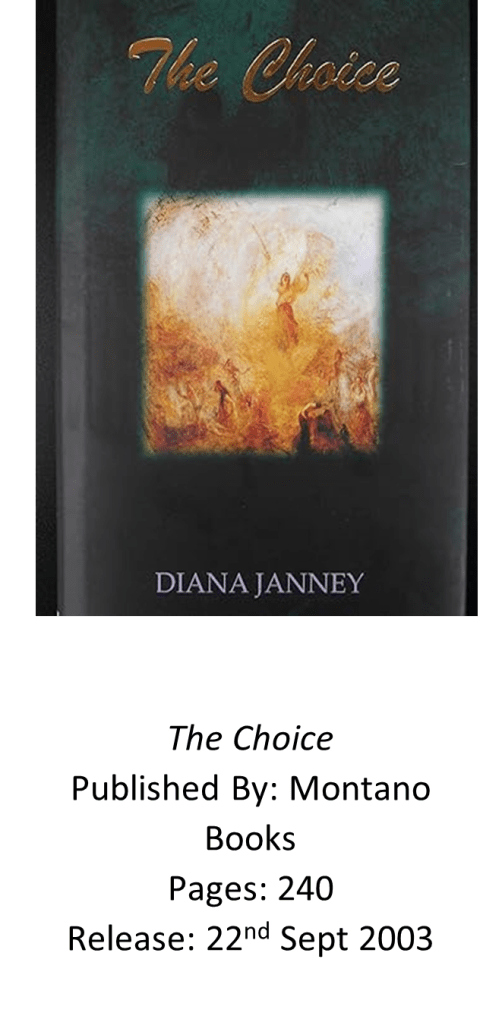
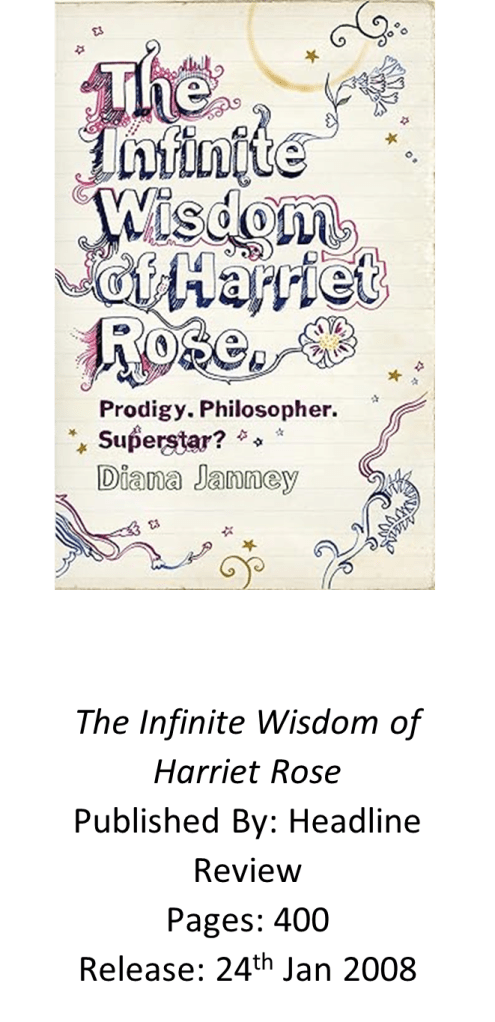
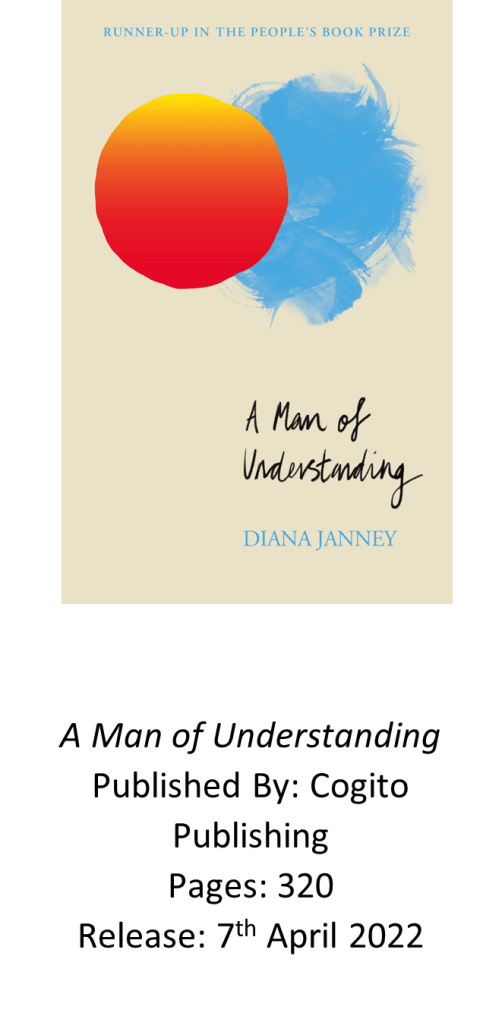
 Books By Your Bedside