
The first thing you need to know about me is that I have two names! As Barbara Havelocke, I’ve got my debut historical fiction coming out, a story inspired by the characters of Great Expectations. I also write psychological thrillers as Barbara Copperthwaite.
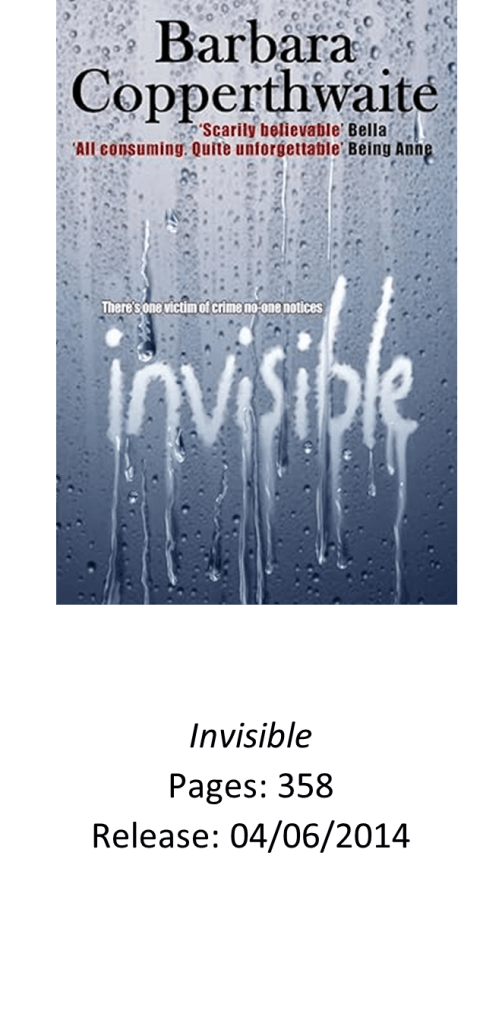
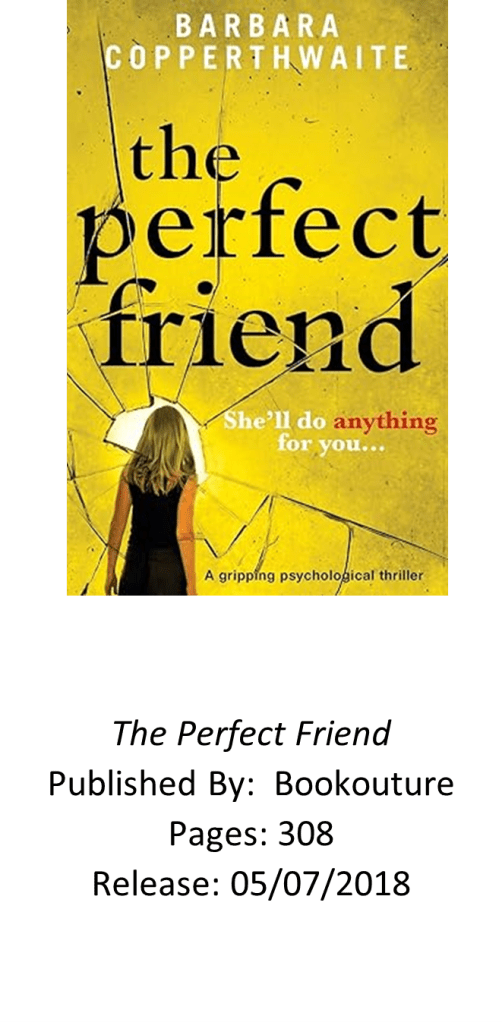
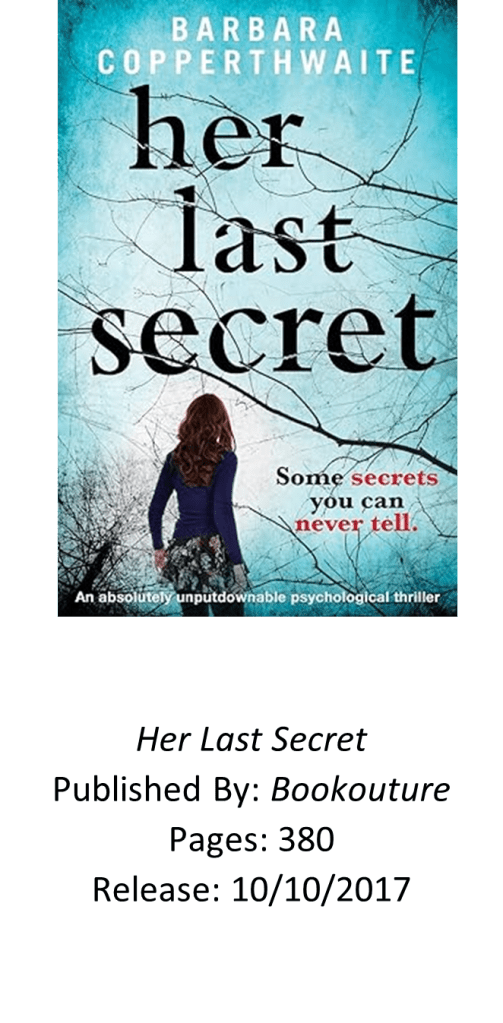
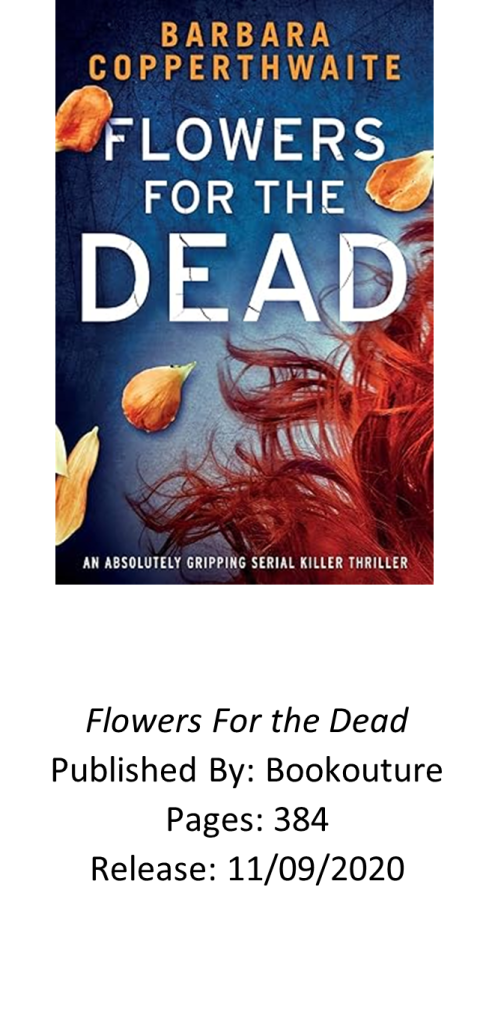
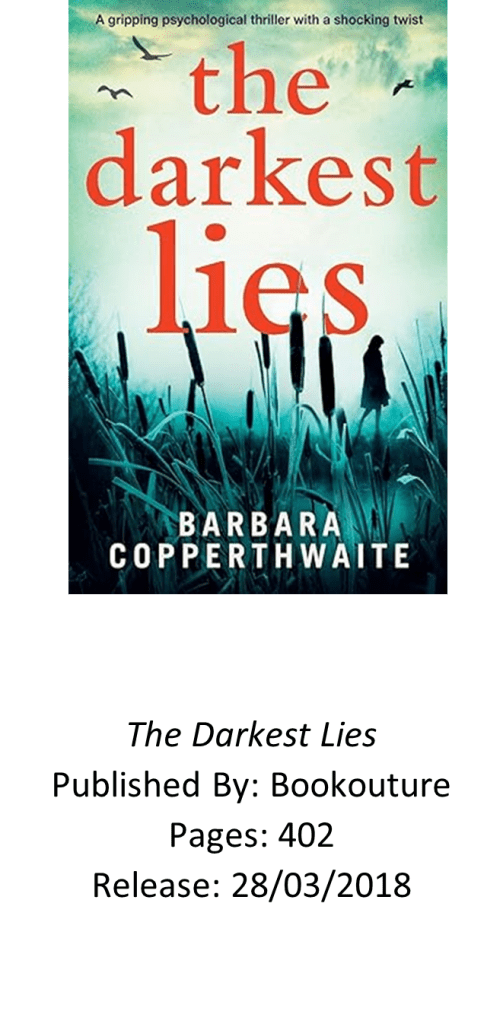
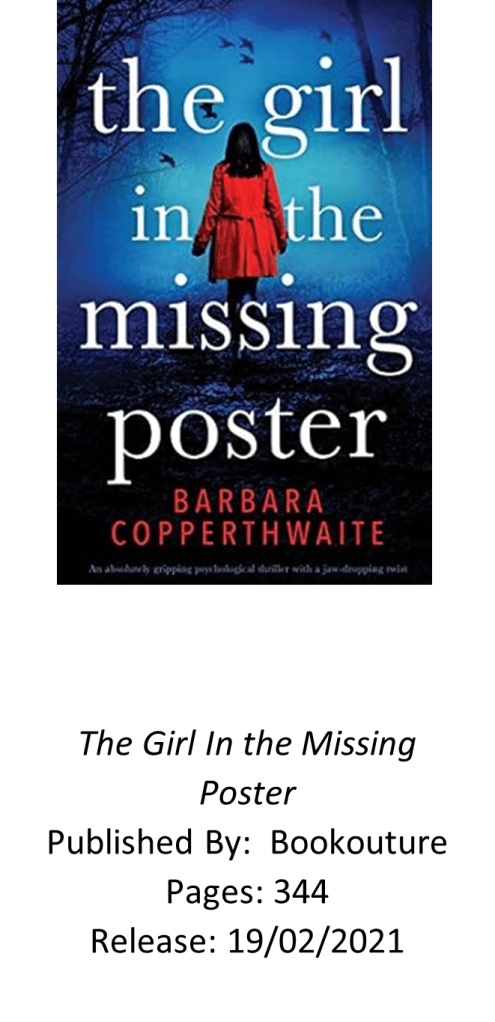
I started out writing as a journalist, first on my local weekly newspaper in Skegness, and then for national magazines and newspapers. I’ve interviewed victims and perpetrators of crime; run an award-winning campaign about domestic abuse, and got involved with my local women’s refuge. Over the past decade I’ve written six psychological thrillers, and been a No 1 bestseller on Amazon and Kobo, and appeared on the USA Today bestseller list.
When not writing at my home in Birmingham, I loves walking my dogs, Scamp and Buddy, taking wildlife photographs, and drawing
Meet Barbara Havelocke
Questions on Writing
What was the hardest bit about writing Estella’s Revenge?
The thought of writing a companion to Great Expectations (I don’t really think of it as a retelling, as there is so much that isn’t covered in the original) was both exhilarating and daunting. Charles Dickens is one of the most successful and well-loved authors to have ever lived, and pretty much everyone knows his characters, even if they’ve never read one of his books, thanks to film and television adaptations. So before I started I had a crisis of confidence because there was no way I could emulate his work.
But then I realised… I didn’t want to write this book as if Charles Dickens had, because then all that would be created was an imitation, a poor shadow of a book. Instead, I had to write as I wanted to, inspired by his brilliant work. After all, Great Expectations is written in first person from Pip’s perspective; it is his tale. Estella’s Revenge is her story, told in her words – so of course the voice will be different. There are scenes that take place in both books, but just as in real life when two people are recounting the same incident, the details and nuance often differs.
What have you learned about yourself when writing?
To trust my instincts more. So often I’ll write something and I’m not quite sure why – a detail that seems random…and then later I’ll discover that the detail is the key that unlocks everything. It’s so incredible how the subconscious works on our creativity.
I’ve also learned that I’m more stubborn and tenacious than I ever would have given myself credit for. A few years ago, at the height of my success writing psychological thrillers, I was floored by chronic illness. It took me a couple of years to get my strength up again. There were times when I felt like giving up but something inside me refused to. I’m quite proud of myself when I look back now, because I’ve come a very long way.
Do you make yourself write everyday/regularly, or only when inspiration strikes?
There are days when I really don’t think I’ll be able to write a word, but once I make myself sit down and crack on, something always comes. If it’s no good, then it can be edited and improved, but the key is to make yourself get something down, because that cliché of two per cent inspiration and ninety-eight per cent perspiration is true.
Having said that, there is so much more to being a writer than the writing, so if I’m really struggling then I will give myself a break by doing research, hopping on social media, updating my websites (I have two now!) or even reading.
What does literary success look like to you?
This is an interesting question. Success is a feeling. There are people who are incredibly successful to the outside world, but don’t feel it, so never get to enjoy it. And others who don’t make as much money, perhaps, or ride as high in the charts, but who feel content.
I did really well with my psychological thrillers before taking a break (due to illness) but when I started writing again I decided to go in a new direction and Estella’s Revenge was the result. Why? Because I never felt successful. Yet now I do, and at the time of writing this, my book hasn’t even been published yet.
So I’m not sure what literary success looks like for me, but I’m definitely experiencing the emotion of it – and plan to hold onto that when my second Estella book comes out in summer next year, along with a brand new psychological thriller at around the same time.
How much planning/world building do you do before writing, and how much comes along as you write?
With my psychological thrillers, I’ve always preferred to explore an idea through the writing, rather than spending time plotting it out first. Estella’s Revenge forced me to change the way I work, though, as there were sections of Great Expectations that had to marry up with what I was creating; the timeline of both books had to work together, for example. This meant there was already so much structure in place that I had to work within and take into consideration. In addition, there was the historical research required to ensure I was true to the period (Estella’s Revenge starts in 1821 and ends in 1835).
All of that meant that there was a lot of work done in plotting the story out before I could properly begin to write the book. It’s been a fascinating experience, and has changed how I’ll work on my psychological thrillers in the future.
As a huge Dickens fan and collector, I am always intrigued to see how people have adapted his work; what was it about Great Expectations that drew you to this idea?
I studied Great Expectations at A-level, and was fascinated by the character of Estella. Imagine being raised in darkness by a mother who refuses to acknowledge the passage of time, even as you are growing up. Imagine being brainwashed against men, and told daily, from the age of three, to ‘never love, never trust’. What terrible psychological impact would this have on a child? What kind of emotionally-scarred adult would she grow to be? What chance of living a normal life would she have? These were the questions haunting me every time I read Great Expectations. The drive to find answers was what inspired my debut historical fiction, Estella’s Revenge.
In Great Expectations we’re told Estella suffers at the hands of her violent husband, Bentley Drummle. Yet there’s a line, spoken by the character Mr Jaggers, about Estella’s marriage: “The stronger will win in the end, but the stronger has to be found first… he may possibly get strength on his side; if it should be a question of intellect, he certainly will not…may the question of supremacy be settled to the lady’s satisfaction!”
This fascinated me, too – because although Dickens had given Estella an ending that fit with Victorian morality, as punishment for her coldness, he also seemed to hint through Jaggers that she would come out of her marriage on top. This seemed more in line with my own views – which meant there was a dichotomy to explore.
Estella’s Revenge is about coercive relationships, identity, and female anger, which I think will appeal to fans of the Victorian classic, but also a whole new audience who enjoy gothic historical fiction with crime at its heart and a strong female lead character. I’ve had tremendous fun getting to know Estella.
How do you plan to celebrate when the book is published?
I’ve a book launch event on publication night, and will be having a drinks with friends afterwards. It’s something I’ve never done before and I’m rather excited about it! There will definitely be cake involved in the celebrations, too. Then the following day, my partner and I shall probably take a day to go somewhere quite with our dogs, Buddy and Scamp, and walk in nature for a while to get away from it all.
Questions on Books and About You
Firstly, the most important question, what books are currently ‘on your bedside table’?
I’ve got quite a pile there… It includes Costanza, by Rachel Blackmore; Clairmont, by Lesley McDowell; and The Examiner, by Janice Hallett.
What children’s book would you suggest every adult read?
I don’t know if I’d love it as much if I read it as an adult without having first fallen in love with it when I was eight, but I’m going to suggest The Little White Horse, by Elizabeth Goudge. It’s the book that made me fall in love with not just the story, but the way something was written. A gorgeous tale – and funnily enough, it’s set in the Victorian era.
What does your writing space look like?
I don’t really have one. I tend to move about the house, writing wherever my mood takes me (and the temperature: if it’s cold you won’t be able to prise me away from the fire). I also enjoy working in cafes, and my local book shop (who do a mean hot chocolate).
How many books do you think you own?
I’m appalling with numbers and am hilariously bad at gauging how big or small something is on measurements. It’s a real mental block of mine. So all I can answer is ‘lots’. And if you include Kindle books, too…lots and lots!
Who is your literary icon?
Oooh, that’s tough! Too tough to answer! There’s no one person, instead I have lots of authors I admire greatly, including Patrician Highsmith, Charles Dickens, Sophie Hannah…
If you could own one rare/1st edition copy of a book, which would it be?
Genuinely, it has to be Great Expectations. It’s a book I’ve always loved (okay, not always. Let me be totally honest here… I actually studied Great Expectations at GCSE and avoided reading it for two years as it didn’t appeal to me at all. Then when I took my A-levels I got it again, and couldn’t believe my bad luck! So I gave in and read it, and instantly loved it).
Is there an author who you always read?
So many! Peter Swanson, Lisa Jewell, Louise Candlish, Laura Shepherd-Robinson, Rebecca Netley…
And finally, are there any plans for any new books? If so, what teasers can you give us?
Yes! As Barbara Havelocke I’m writing the second in the Estella series right now, and it will be coming out in summer 2025. When young servants start going missing, Estella must find the truth while trying to keep her own secrets hidden. She finds the key to everything in Satis House, but it’s surely impossible…
There is also a new Barbara Copperthwaite psychological thriller coming in summer 2025. There’s a saying that hell is being locked in a room with your friends. When a group of women who have been mates since school go on holiday together, they find themselves trapped by a storm. When one of them wakes beside her murdered best friend, in a room locked from the inside, everyone knows she did it. Everyone except her…
Thank you Barbara😊as a huge Dickens fan and collector, I can’t wait to read Estella’s Revenge!
Barbara Havelocke’s Books

 Books By Your Bedside
One thought on “Barbara Havelocke”