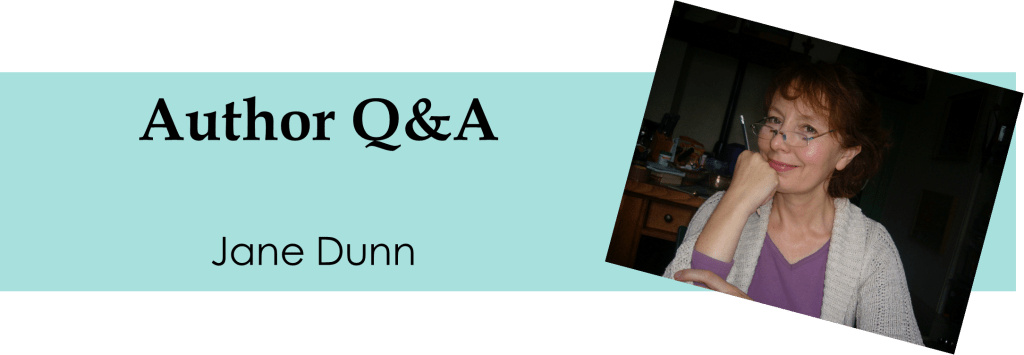
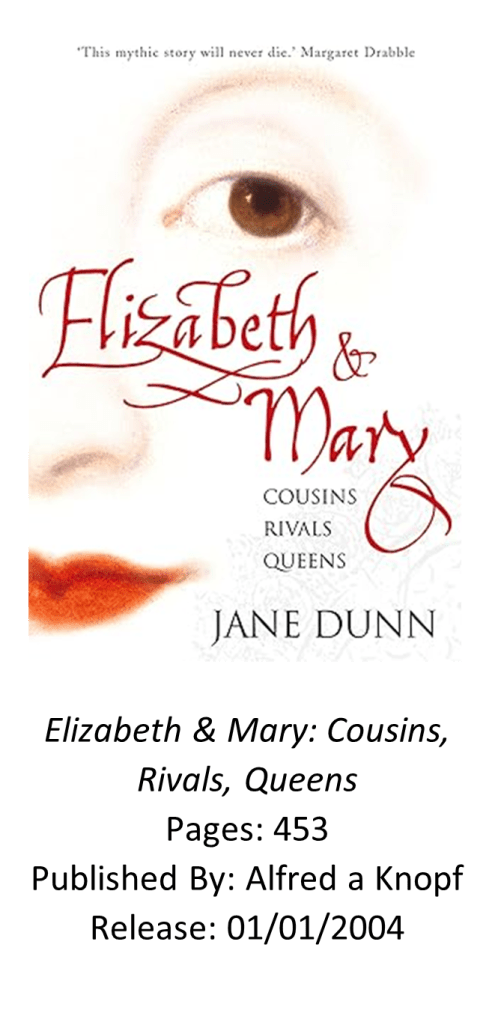
My first job after university was at British Vogue – I was runner-up in their annual talent competition and lucky enough to be offered a job in the editorial side of British Vogue – it was such a fantastic start to grown-up life. Then real life kicked in and as a young mother at home with toddlers I began my career as a biographer. To my amazement my books were well-reviewed and I had one Sunday Times and New York Times bestseller – my examination of the relationship between Elizabeth l and Mary Queen of Scots.
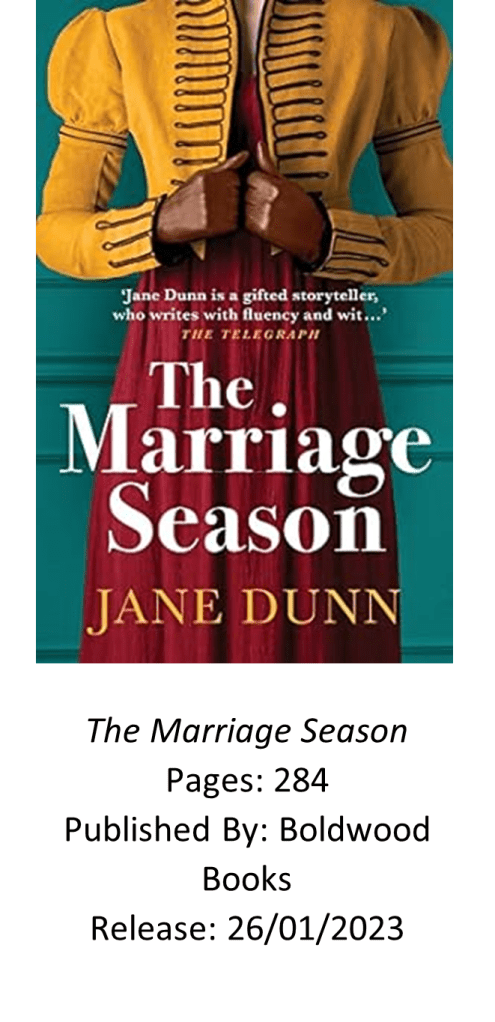
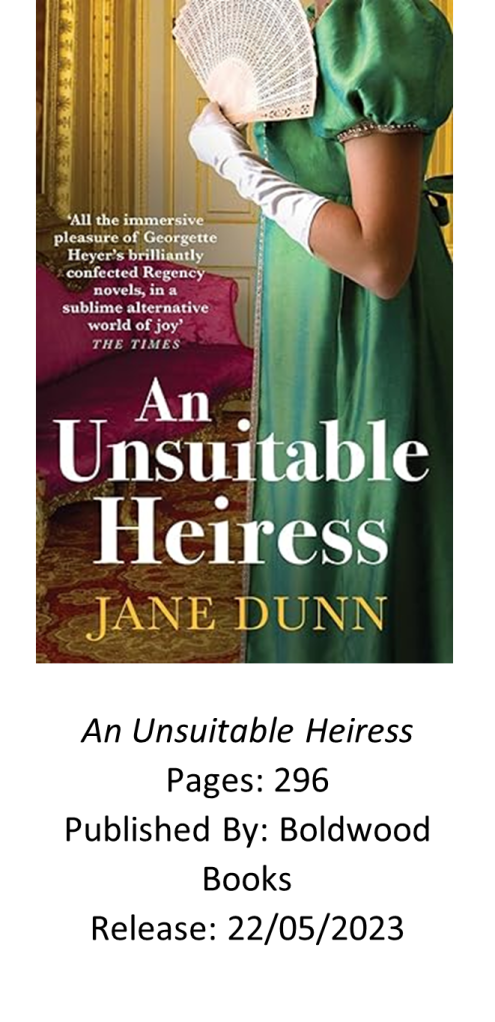
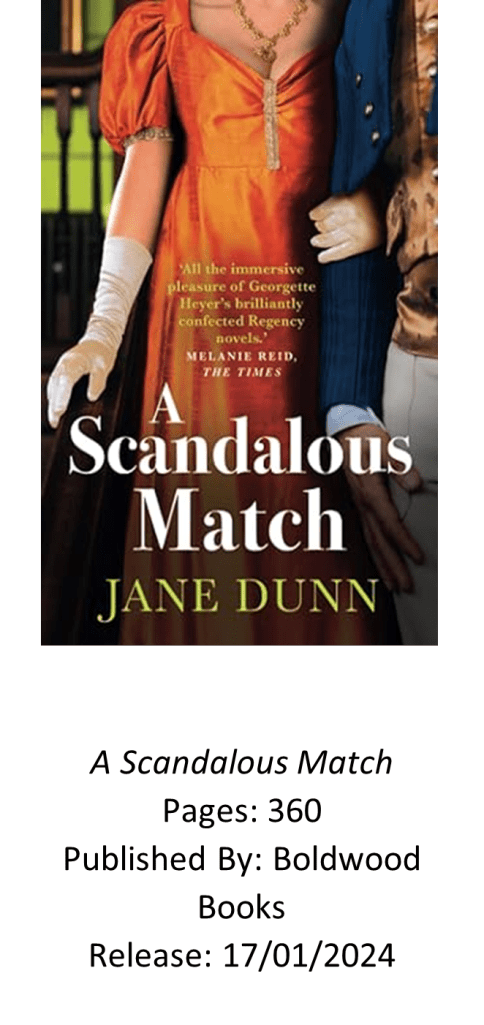
Only recently have I discovered the joy of writing historical fiction, specifically set in the Regency in the time of the Napoleonic Wars. My first novel, The Marriage Season, was published 26th January 2023, the second, An Unsuitable Heiress, on 22nd May 2023 and my third A Scandalous Match is published 17th January 2024.
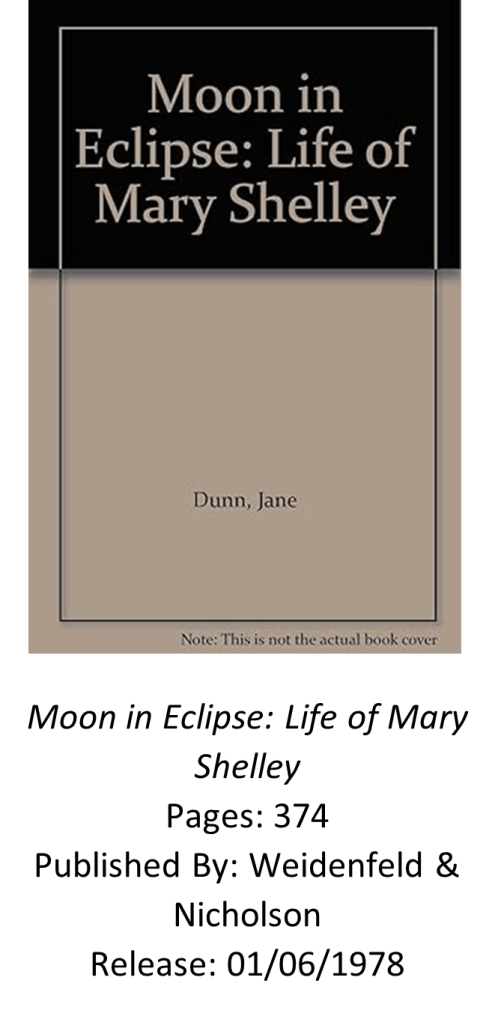
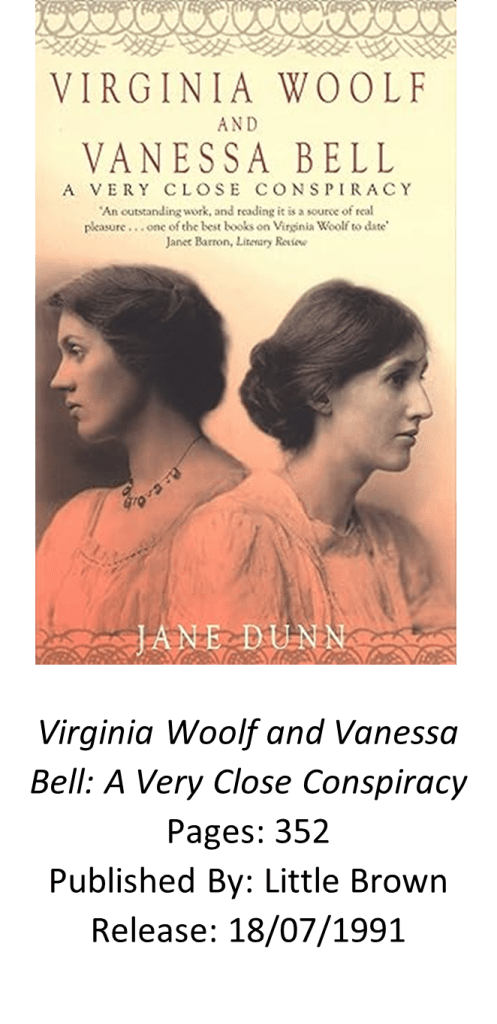
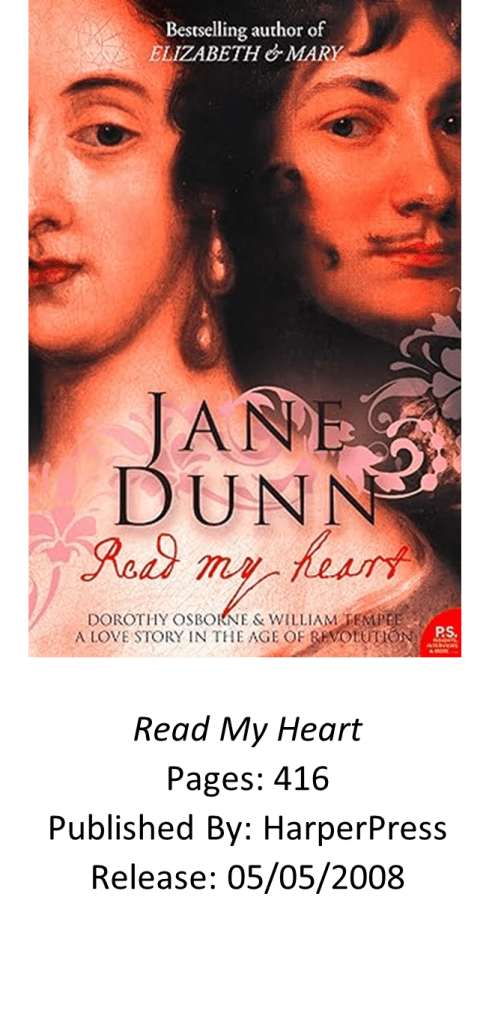
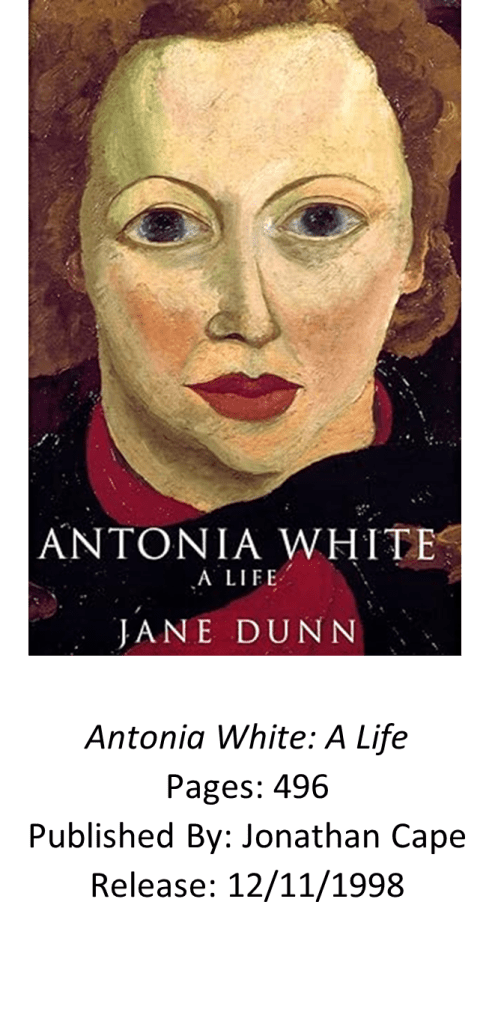
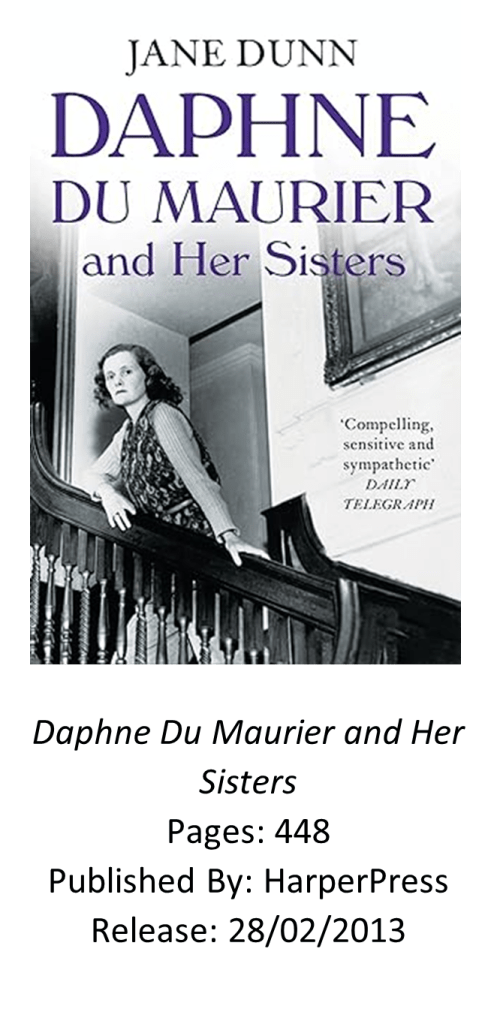
My love of this period dates back to my first biography, of Mary Shelley, author of Frankenstein, when I met the poets, Shelley and Byron and the young romantics navigating their way in a dynamic and fast changing world. My biographies are: Moon in Eclipse: A Life of Mary Shelley; A Very Close Conspiracy: Vanessa Bell and Virginia Woolf; and Antonia White: A Life. Elizabeth and Mary: Cousins, Rivals, Queens spent seven weeks in the top ten of the Sunday Times bestseller list. This was followed by Read my Heart: Dorothy Osborne and Sir William Temple, a Love Story in the Age of Revolution and then Daphne du Maurier and her Sisters.
I am honoured to be an elected Fellow of the Royal Society of Literature, and live in Berkshire with my husband, the Classicist, Nicholas Ostler, and an elderly rescue whippet, Lara.
Meet Jane Dunn
Questions on Writing
What is the hardest part of your writing experience?
I think the hardest part is when you are immersed in your story and yet having to emerge and deal with real life and the practical demands of caring for others while your story and characters are pulling you back to their world.
What have you learned about yourself when writing?
When I was writing the biographies, I realised just how much information I could hold in my head. It was really gratifying to find I could organise my research into a compelling narrative that remained true to the subject. When I unexpectedly began writing fiction, in this case historical romances set in the Regency, I realised that the romantic girl I had shut in a box many decades ago was alive and well and in charge of my life! It was a thrilling and energising ride.
Do you make yourself write everyday/regularly, or only when inspiration strikes?
Now that my children have grown up and don’t need my daily care, I write every day. It is hard labour but a real joy and when it no longer is such I shall give it up.
What does literary success look like to you?
I used to care about reviews and certainly when I first was published, reviews sold books. It was a wonderful review in The Times of my first biography of Mary Shelley that gave me the confidence to continue, to think I really could do this. Being elected as a Fellow of The Royal Society of Literature came out of the blue but was a wonderful honour, and again made me think I was not an imposter, I was accepted by the literary establishment I had never sought to join. It also made my beloved, an quite conventional, émigré father terrifically proud.
How much planning/world building do you do before writing, and how much comes along as you write?
With biography and non-fiction I had to do an enormous amount of research. But as I wrote, patterns and further insights sprang out at me in a thrilling way. With my Regency fiction, I have such a vivid overall view of the period I tend to find my character and then dive in, researching specific subjects as I go.
What is it that attracted you to the Regency-type genre?
Purely my love of Georgette Heyer as a teenager, when I read everything that she wrote and felt bereft when I came to the end of her output. Rereading her recently I felt the same exhilaration, but this time when I got to the end of them all and could not bear to leave the glittering Regency world behind I thought I’d write my own, so I could remain in this wonderful alternative universe.
What made you make that jump from non-fiction biographies to fiction?
Pure serendipity. Like a coup de foudre, I was overtaken by love!
Questions on Books and About You
Firstly, the most important question, what books are currently ‘on your bedside table’?
Byron’s Collected Letters, A Civil Contract by Georgette Heyer, Alverstone by Beatrice Knight, Yellowface by R.F Kuang, Persuasion by Jane Austen, Small Things Like These by Claire Keegan, You’re a Doll, Daisy by Abigail Ted, Devotions by Mary Oliver, Shakespeare’s Book by Chris Laoutaris – I could go on, it’s quite a pile. I also like, if I can, supporting self-published authors as it’s such a jungle out there.
What children’s book would you suggest every adult read?
Perelandra by C.S Lewis. I found it quite magical in my early teens.
What does your writing space look like?
A pile of papers, books, and notes at the end of the dining room table which has to be cleared away every time we have more than four people to a meal. I have a study but I love working in this room overlooking the garden.
How many books do you think you own?
My husband is a linguist and Classicist and has an enormous library. In all we have over 5,000 books and I weep!
Who is your literary icon?
I love Lord Byron for his wit, his warmth, his liberal mind, and generosity of spirit. He is an aristocrat of his age but also so far ahead of his time. His letters and journals are sublime. I also LOVE Virgina Woolf’s diaries too.
If you could own one rare/1st edition copy of a book, which would it be?
Oh please! Lord Byron’s first book of poetry that made him famous overnight, Childe Harold.
Is there an author who you always read?
For escapism and sheer joy, anything by P.G. Wodehouse, he is such a stylist and wit that even his writing on golf is wonderful, and of course, always Georgette Heyer!
And finally, are there any plans for any new books? If so, what teasers can you give us?
My fourth Regency is about a wounded hero from the Napoleonic Wars and a young woman who had thought her chance of marital happiness was blighted when the man she was due to marry was killed in the same war. She is a musician and, unusually, a wild swimmer!
Thank you Jane😊It’s lovely to hear about someone else’s love for Georgette Heyer, I feel she’s a forgotten genius nowadays.
Jane Dunn’s Books
 Books By Your Bedside